M. Straskraba – författare
Visar alla böcker från författaren M. Straskraba. Handla med fri frakt och snabb leverans.
5 produkter
5 produkter
E-bok
PDF, Engelska, 2012756 kr
Läs direkt efter köp
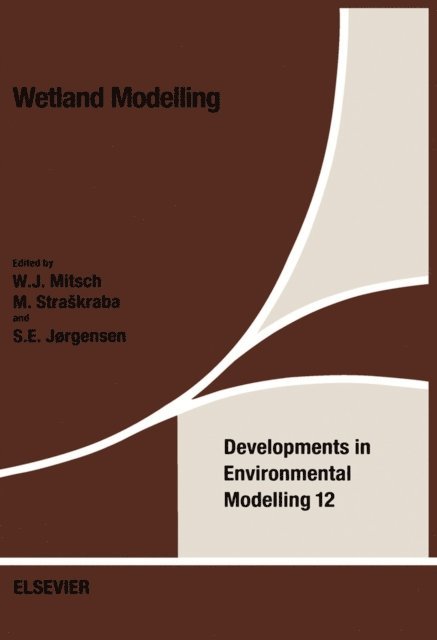
The study of wetlands is a relatively new field and the modelling of these systems is still in its formative stages. Nevertheless, the editors felt compelled to assemble this volume as a first statement of the state of the art of modelling approaches for the quantitative study of wetlands. A global approach has been adopted in this book, not only by including a wide geographic distribution of wetlands, but also by including papers on both freshwater and saltwater wetlands. Wetlands are defined as systems intermediate between aquatic and terrestrial ecosystems, and include ecosystems under a wide range of hydrologic and ecologic conditions. The wetland types discussed in this book reflect that heterogeneity, ranging from intermittently flooded wet meadows to permanently flooded shallow reservoirs and lakes. Also included are modelling examples from coastal salt marshes, shallow estuaries, mesotrophic bogs, reedswamps, forested swamps, and regional wetlands. In summary, the book presents ecological modelling as a tool for management of these sensitive ecosystems, and for studying their structure and function. Each chapter has extensive references related to the modelling approach and wetland type discussed. It will be useful for wetland scientists and managers, and could also serve as a supplemental text on courses in wetland ecology.
E-bok
PDF, Engelska, 2013696 kr
Läs direkt efter köp
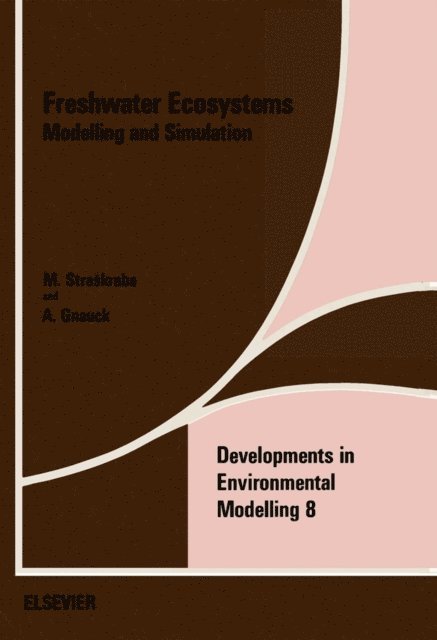
Ecosystem analysis and ecological modelling is a rapidly developing interdisciplinary branch of science used in theoretical developments in ecology and having practical applications in environmental protection. In this book, the authors introduce new holistic, particularly cybernetic, concepts into ecosystem theory and modelling, and provide a concise treatment of mathematical modelling of freshwater ecosystems which covers methods, subsystem models, applications and theoretical developments.Part I begins with a brief introduction to the principles of systems theory and their applications to ecosystems, and provides a summary of various methods of systems analysis. In Part II emphasis is laid on the pelagic processes in standing water, characterised by relatively uninvolved structures from which models can be readily developed. Part III describes applications of the technique of modelling to solutions of theoretical and practical problems, with different modelling methods and objectives being used in the various chapters. More recent developments in the methods and theory of ecosystem modelling are covered in Part IV which also includes a discussion of future trends. The book is addressed to practising ecologists and engineers in the fields of ecology, limnology, environmental protection, and water quality managements, as well as to graduate/post-graduate university students in science and engineering. Students and researchers involved in environmental applications of mathematics and cybernetics will also find the book of interest.
Inbunden, Engelska, 1993
2 160 kr
Skickas inom 10-15 vardagar
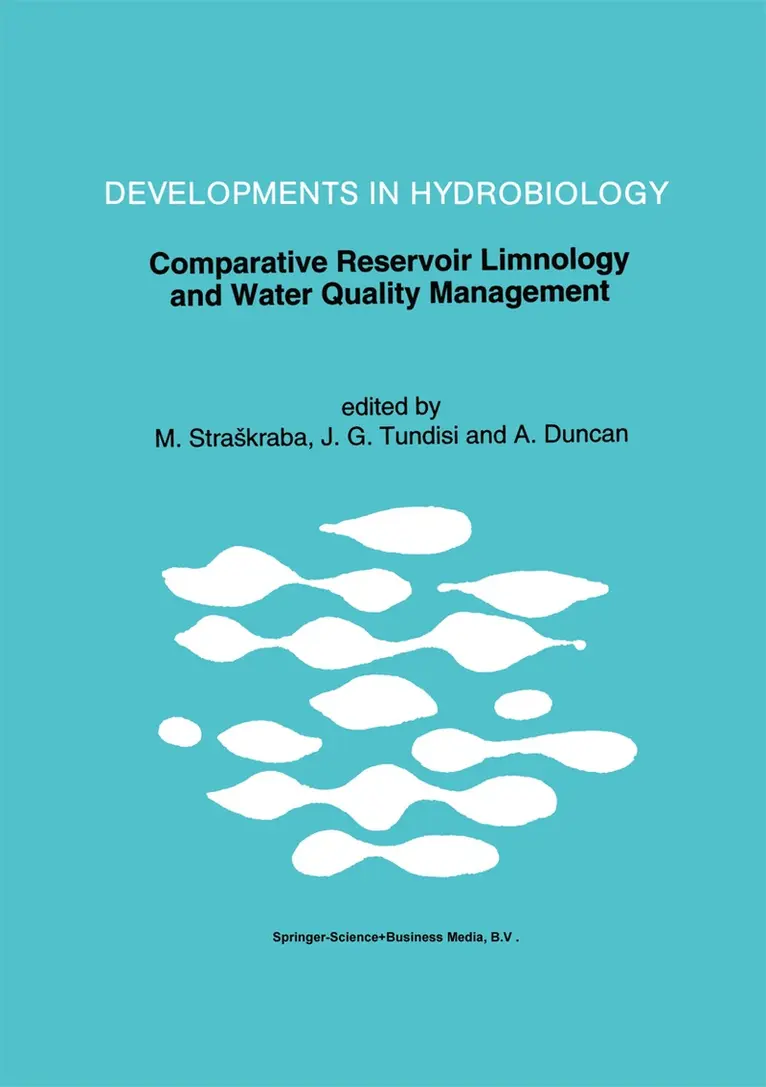
The volume starts with comparative reservoir limnology and deals with problems relating tropical, semi-arid and temperate reservoirs. The second part concerns mathematical models of reservoirs, including new techniques for investigating their limnology. These cover physical, chemical and biological phenomena, remote sensing and the use of modelling to establish the most efficient strategy for water quality sampling. In the third part, on reservoir water quality management, the potential available in fish population management for biomanipulation of reservoir water quality is introduced. Also included is a valuable section on a wide range of water quality measures, coming from the well-known Czech hydrobiological laboratory. Finally the editors summarize the present state of reservoir limnology. This book should be of interest to hydrobiologists and aquatic ecologists, reservoir and sanitary engineers, fisheries officers, postgraduate teaching, and the water industry dealing with drinking water supply and will provide insight into regulated rivers. It draws information from all over thye world and is relevant to the whole world.
Häftad, Engelska, 2011
2 158 kr
Skickas inom 10-15 vardagar
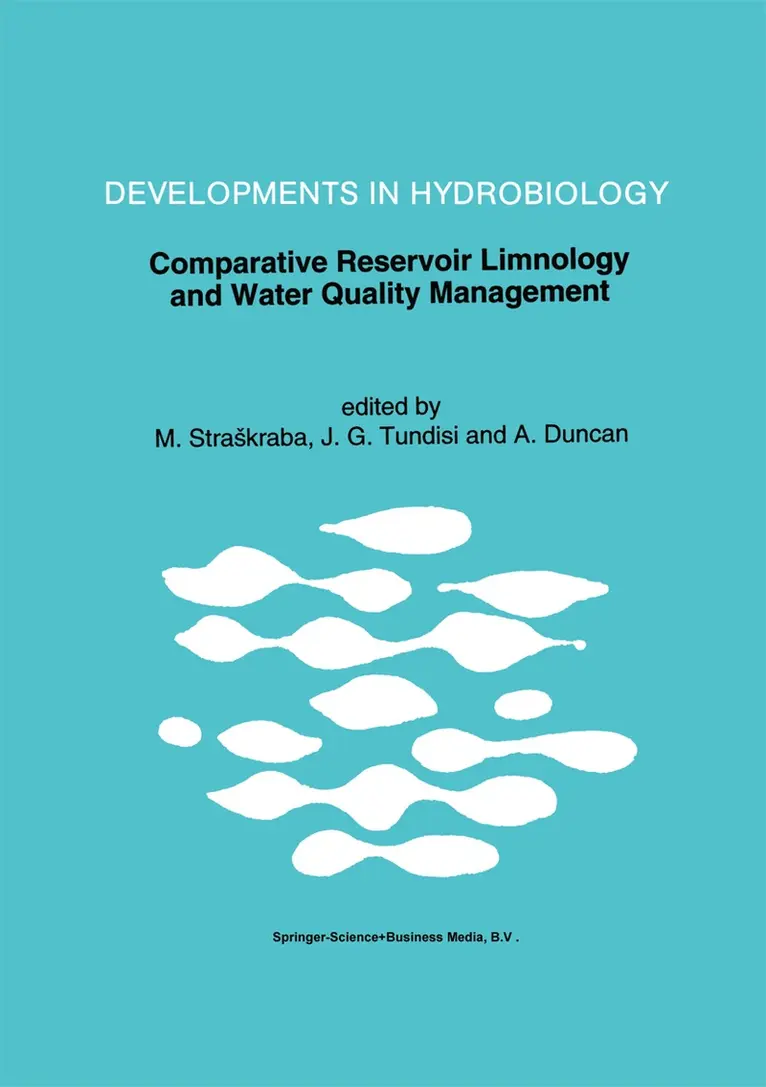
The volume starts with comparative reservoir limnology and deals with problems relating to tropical, semi-arid and temperate reservoirs. The second part concerns mathematical models of reservoirs, including new techniques for investigating their limnology. These cover physical, chemical and biological phenomena, remote sensing and the use of modelling to establish the most efficient strategy for water quality sampling. In the third, on reservoir water quality management, the potential available in fish population management for biomanipulation of reservoir water quality is introduced. Also included is a valuable section on a wide range of water quality measures, coming from the well-known Czech Hydrobiological Laboratory. Finally the editors summarise the present state of reservoir limnology. This book will be of interest to hydrobiologists and aquatic ecologists, reservoir and sanitary engineers, fisheries officers, postgraduate teaching, and the water industry dealing with drinking water supply and will provide insight into regulated rivers. It draws information from all over the world and is relevant to the whole world.
E-bok
PDF, Engelska, 20132 840 kr
Läs direkt efter köp
The volume starts with comparative reservoir limnology and deals with problems relating to tropical, semi-arid and temperate reservoirs. The second part concerns mathematical models of reservoirs, including new techniques for investigating their limnology. These cover physical, chemical and biological phenomena, remote sensing and the use of modelling to establish the most efficient strategy for water quality sampling. In the third, on reservoir water quality management, the potential available in fish population management for biomanipulation of reservoir water quality is introduced. Also included is a valuable section on a wide range of water quality measures, coming from the well-known Czech Hydrobiological Laboratory. Finally the editors summarise the present state of reservoir limnology. This book will be of interest to hydrobiologists and aquatic ecologists, reservoir and sanitary engineers, fisheries officers, postgraduate teaching, and the water industry dealing with drinking water supply and will provide insight into regulated rivers. It draws information from all over the world and is relevant to the whole world.