M. Zenzen – författare
Visar alla böcker från författaren M. Zenzen. Handla med fri frakt och snabb leverans.
7 produkter
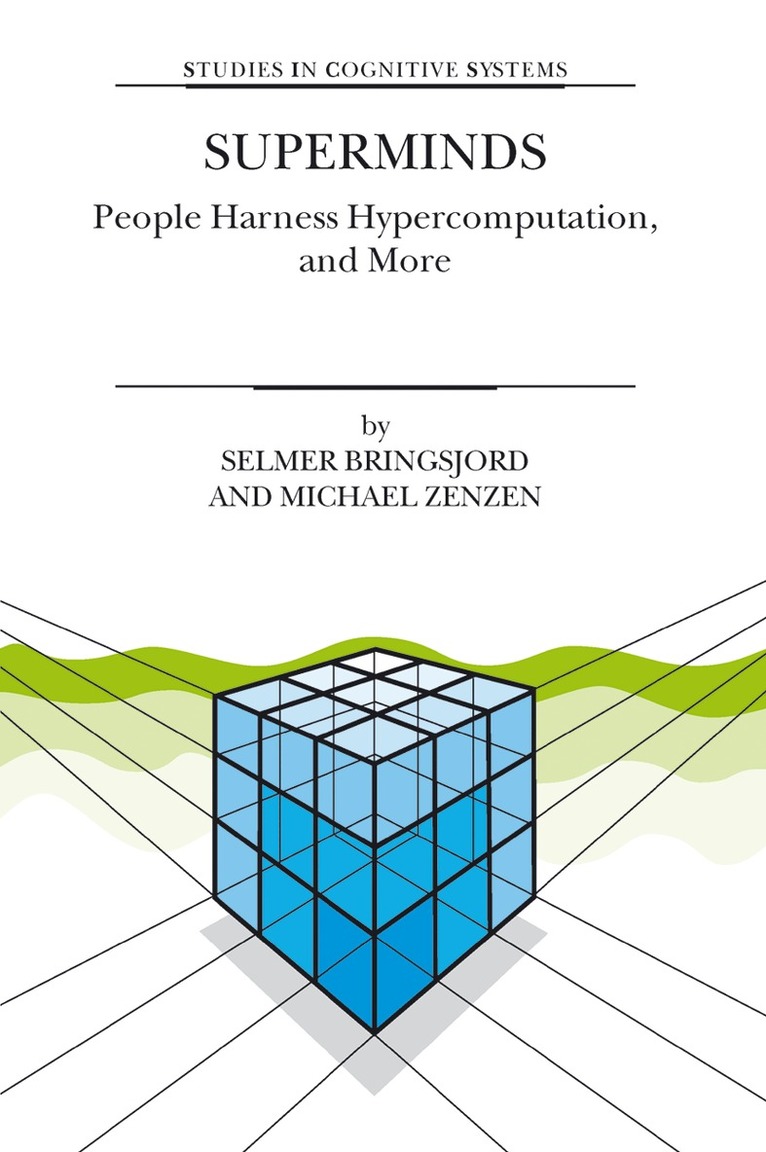
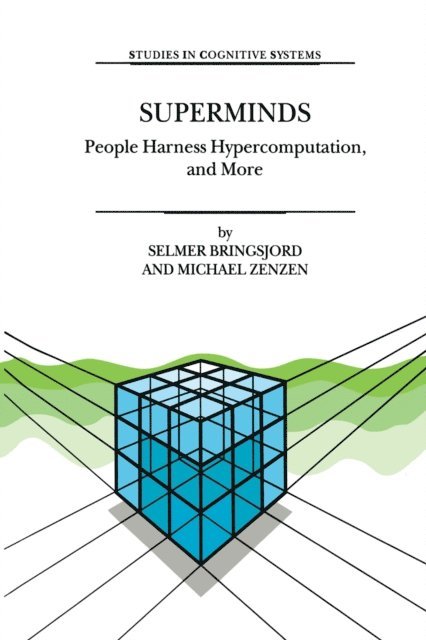
Superminds
People Harness Hypercomputation, and More
Av Selmer Bringsjord, M. Zenzen
Inbunden, 2003
1098 kr
Lägg i varukorg
This is the first book-length presentation and defense of a new theory of human and machine cognition, according to which human persons are superminds. Superminds are capable of processing information not only at and below the level of Turing machines (standard computers), but above that level (the …
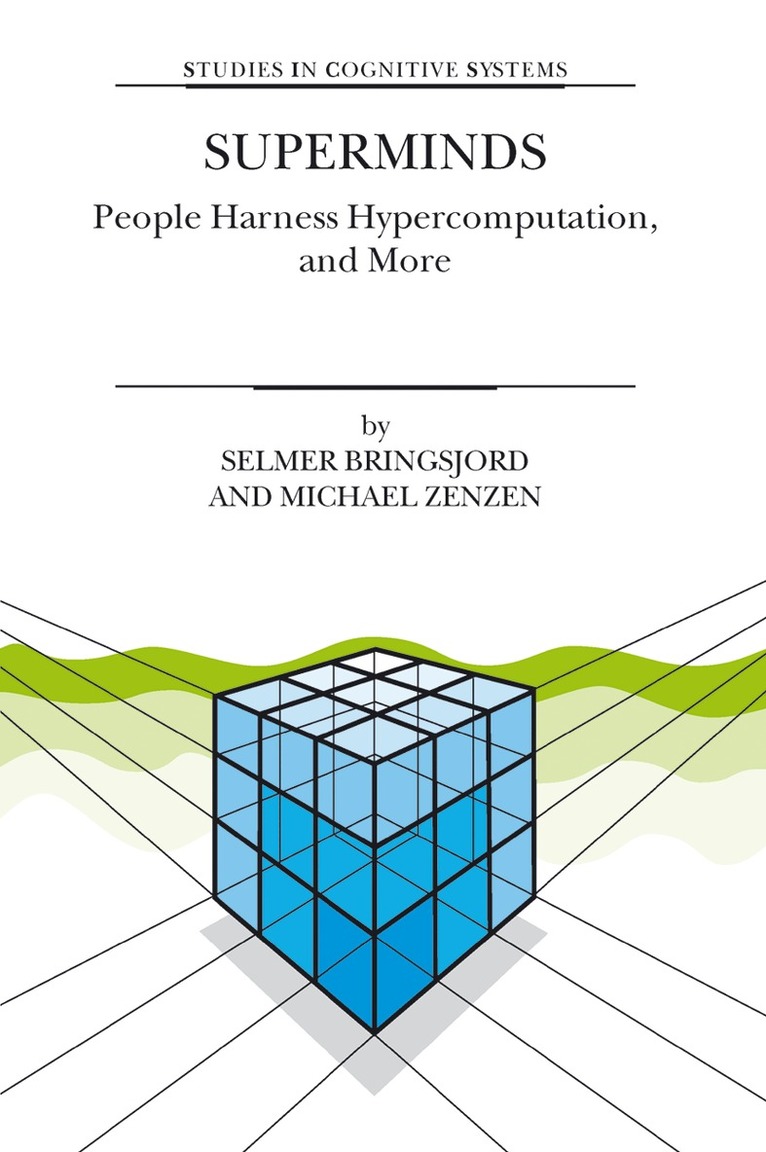
Superminds
People Harness Hypercomputation, and More
Av Selmer Bringsjord, M. Zenzen
Häftad, 2003
1098 kr
Lägg i varukorg
This is the first book-length presentation and defense of a new theory of human and machine cognition, according to which human persons are superminds. Superminds are capable of processing information not only at and below the level of Turing machines (standard computers), but above that level (the …
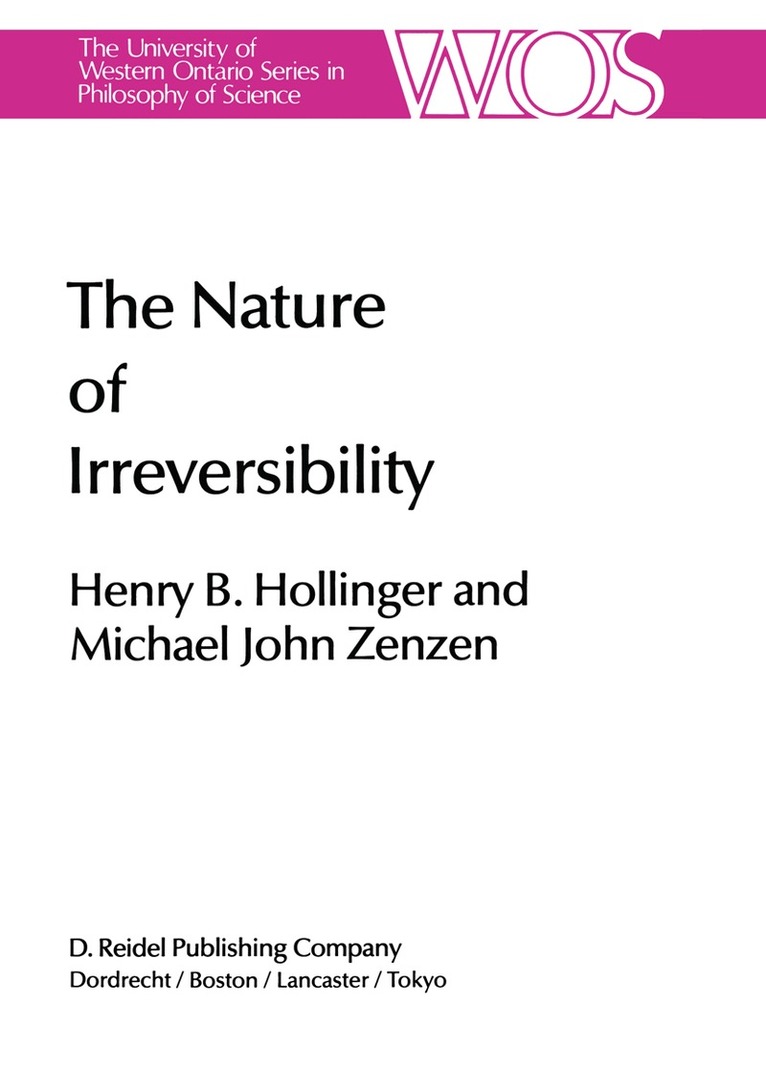
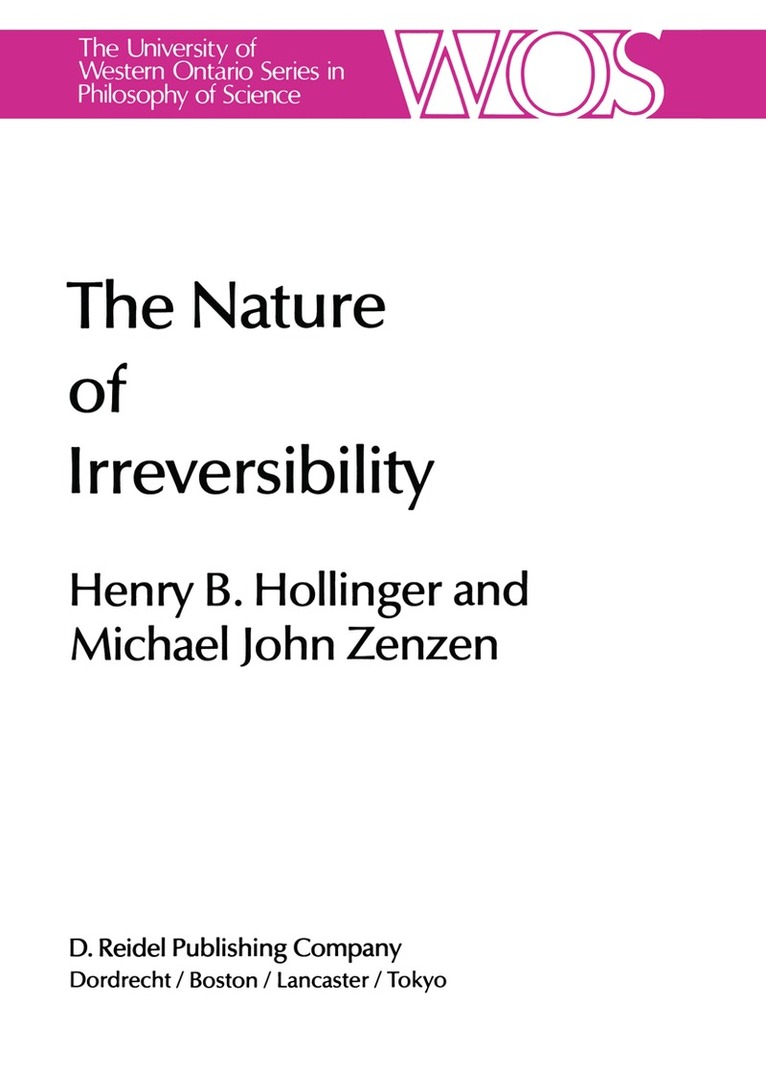
Nature of Irreversibility
A Study of Its Dynamics and Physical Origins
Inbunden, 1985
1643 kr
Lägg i varukorg
A dominant feature of our ordinary experience of the world is a sense of irreversible change: things lose form, people grow old, energy dissipates. On the other hand, a major conceptual scheme we use to describe the natural world, molecular dynamics, has reversibility at its core. The need to …
Nature of Irreversibility
A Study of Its Dynamics and Physical Origins
E-bok, 2012
2111 kr
Lägg i varukorg
A dominant feature of our ordinary experience of the world is a sense of irreversible change: things lose form, people grow old, energy dissipates. On the other hand, a major conceptual scheme we use to describe the natural world, molecular dynamics, has reversibility at its core. The need to …
Superminds
People Harness Hypercomputation, and More
Av M. Zenzen, Selmer Bringsjord
E-bok, 2012
1427 kr
Lägg i varukorg
This is the first book-length presentation and defense of a new theory of human and machine cognition, according to which human persons are superminds . Superminds are capable of processing information not only at and below the level of Turing machines (standard computers), but above that level …
Superminds : People Harness Hypercomputation, and More
Av Selmer Bringsjord, M. Zenzen
2011
667 kr
Lägg i varukorg
Nature of Irreversibility
A Study of Its Dynamics and Physical Origins
Häftad, 2011
1643 kr
Lägg i varukorg
A dominant feature of our ordinary experience of the world is a sense of irreversible change: things lose form, people grow old, energy dissipates. On the other hand, a major conceptual scheme we use to describe the natural world, molecular dynamics, has reversibility at its core. The need to …