Måns Lönnroth - Böcker
Visar alla böcker från författaren Måns Lönnroth. Handla med fri frakt och snabb leverans.
6 produkter
6 produkter
Urban Access for the 21st Century
Finance and Governance Models for Transport Infrastructure
Inbunden, Engelska, 2014
2 476 kr
Skickas inom 10-15 vardagar
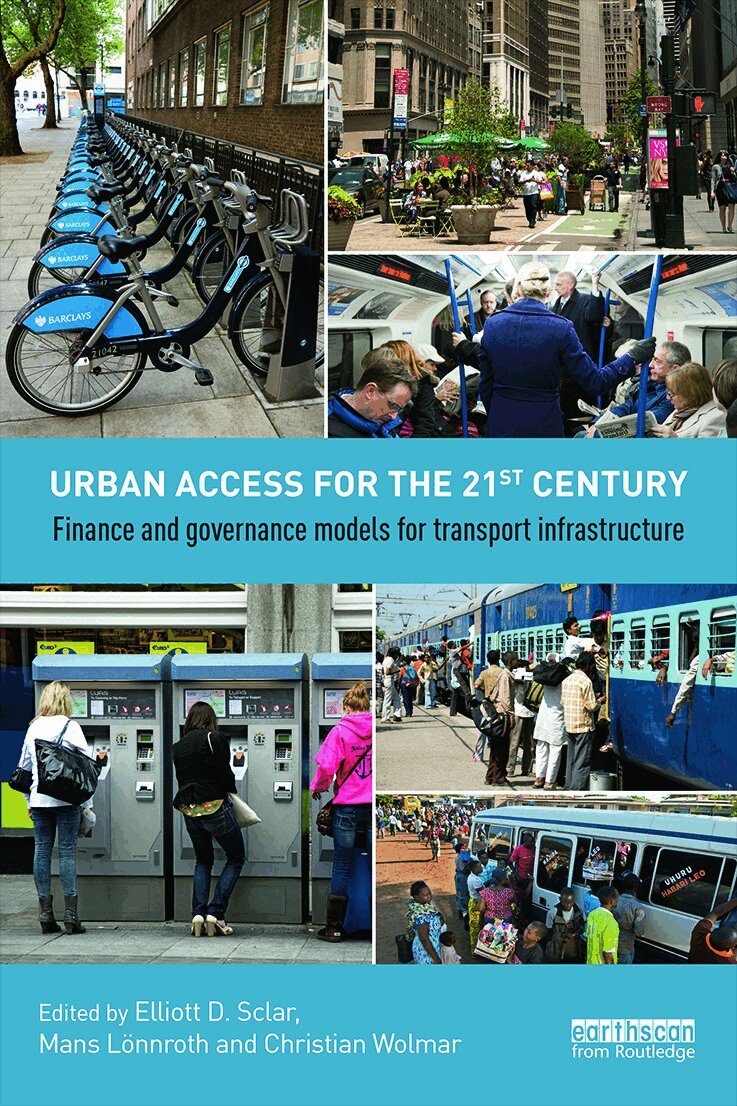
This book sets out a road map for the provision of urban access for all. For most of the last century cities have followed a path of dependency on car dominated urban transport favouring the middle classes. Urban Access for the 21st Century seeks to change this. Policies need to be more inclusive of the accessibility needs of the urban poor. Change requires redesigning the existing public finance systems that support urban mobility. The aim is to diminish their embedded biases towards automobile-based travel.Through a series of chapters from international contributors, the book brings together expertise from different fields. It shows how small changes can incentivize large positive developments in urban transport and create truly accessible cities.
Urban Access for the 21st Century
Finance and Governance Models for Transport Infrastructure
Häftad, Engelska, 2014
754 kr
Skickas inom 10-15 vardagar
This book sets out a road map for the provision of urban access for all. For most of the last century cities have followed a path of dependency on car dominated urban transport favouring the middle classes. Urban Access for the 21st Century seeks to change this. Policies need to be more inclusive of the accessibility needs of the urban poor. Change requires redesigning the existing public finance systems that support urban mobility. The aim is to diminish their embedded biases towards automobile-based travel.Through a series of chapters from international contributors, the book brings together expertise from different fields. It shows how small changes can incentivize large positive developments in urban transport and create truly accessible cities.
1 294 kr
Skickas inom 10-15 vardagar
First published in 1983, Nuclear Power Struggles (now with a new preface by the authors) analyses the strains within the nuclear reactor industry and assesses the scale and location of future markets. It looks at the strengths and weaknesses of leading exporters and considers what can be done to avoid a deterioration of trade behaviour.The book examines the merits of alternative approaches to nuclear trade, from political and strategic standpoints. It highlights policy differences between suppliers, and especially between the USA and Europe, which threaten to place further stress on transatlantic relations. It addresses the problems of moving from a non-proliferation regime dominated by the USA and USSR to one in which responsibilities must be more widely shared and focuses on the crucial role of France.This volume will be an essential reading for policymakers in the government, industry and international organisations; and for all those concerned with the vital issues of nuclear proliferation and industrial adjustment.
443 kr
Kommande
First published in 1983, Nuclear Power Struggles (now with a new preface by the authors) analyses the strains within the nuclear reactor industry and assesses the scale and location of future markets. It looks at the strengths and weaknesses of leading exporters and considers what can be done to avoid a deterioration of trade behaviour.The book examines the merits of alternative approaches to nuclear trade, from political and strategic standpoints. It highlights policy differences between suppliers, and especially between the USA and Europe, which threaten to place further stress on transatlantic relations. It addresses the problems of moving from a non-proliferation regime dominated by the USA and USSR to one in which responsibilities must be more widely shared and focuses on the crucial role of France.This volume will be an essential reading for policymakers in the government, industry and international organisations; and for all those concerned with the vital issues of nuclear proliferation and industrial adjustment.
2 557 kr
Skickas inom 10-15 vardagar
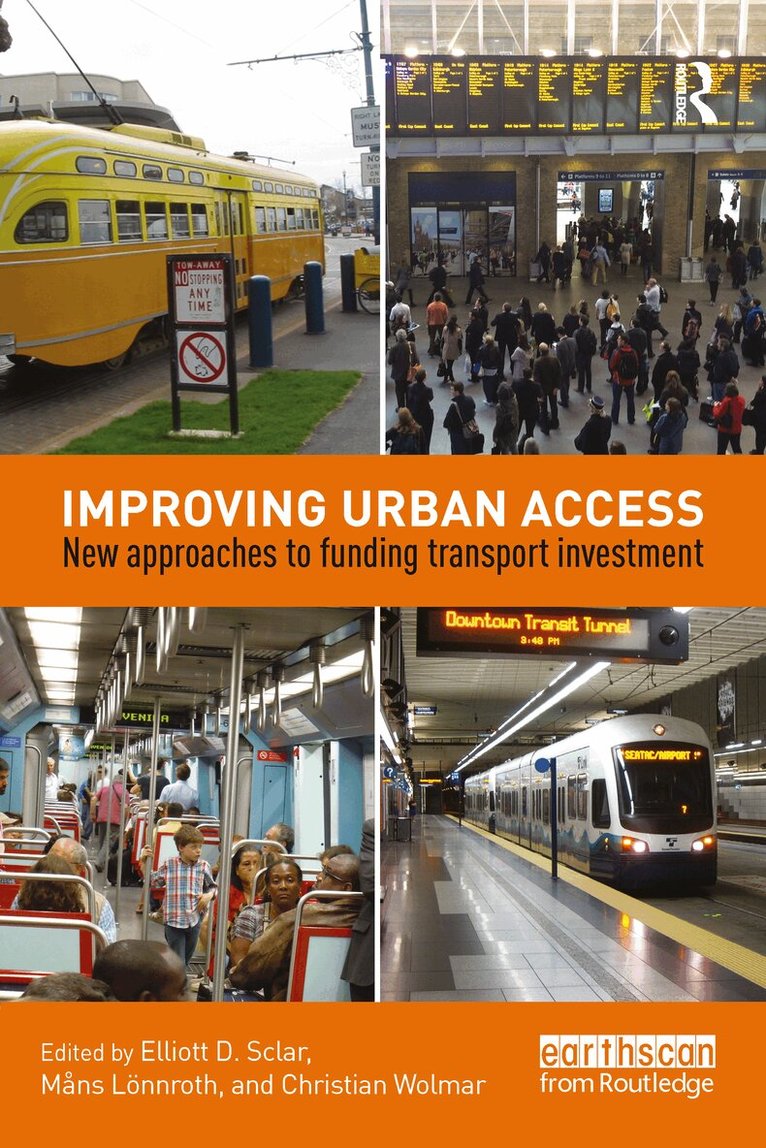
By 2050, two-thirds of the world’s population will live in cities. To thrive, they will need efficient and sustainable forms of transport, but to achieve this, the financial incentives guiding urban transport operation must change – and change rapidly.Urban transport plays a critical role in determining the social, environmental and economic shape of cities. Improving Urban Access: New Approaches to Funding Transport Investment provide innovative ideas on how we might reorganize transport finance to ensure that it is suited to serving the social, environmental and economic principles that must guide future urban living. Continuing the work begun by its predecessor, Urban Access for the 21st Century, the authors assess the complexity of implementing new finance approaches and suggest ways to make positive and radical changes. Although the range of revenue raising options remain limited to users, indirect beneficiaries, and the general public, these can be recast to transform the way transport is paid for and therefore how its services are delivered.New finance models only succeed when they are intrinsically linked to the economic, social, cultural and political forces that create urban life. Together these volumes provide a starting point for the deeper research and policy design needed to successfully create urban transport finance systems that can address the challenges that 21st century cities present.
847 kr
Skickas inom 10-15 vardagar
By 2050, two-thirds of the world’s population will live in cities. To thrive, they will need efficient and sustainable forms of transport, but to achieve this, the financial incentives guiding urban transport operation must change – and change rapidly.Urban transport plays a critical role in determining the social, environmental and economic shape of cities. Improving Urban Access: New Approaches to Funding Transport Investment provide innovative ideas on how we might reorganize transport finance to ensure that it is suited to serving the social, environmental and economic principles that must guide future urban living. Continuing the work begun by its predecessor, Urban Access for the 21st Century, the authors assess the complexity of implementing new finance approaches and suggest ways to make positive and radical changes. Although the range of revenue raising options remain limited to users, indirect beneficiaries, and the general public, these can be recast to transform the way transport is paid for and therefore how its services are delivered.New finance models only succeed when they are intrinsically linked to the economic, social, cultural and political forces that create urban life. Together these volumes provide a starting point for the deeper research and policy design needed to successfully create urban transport finance systems that can address the challenges that 21st century cities present.