Maartje van der Woude – Författare
Visar alla böcker från författaren Maartje van der Woude. Handla med fri frakt och snabb leverans.
4 produkter
4 produkter
1 359 kr
Skickas inom 10-15 vardagar
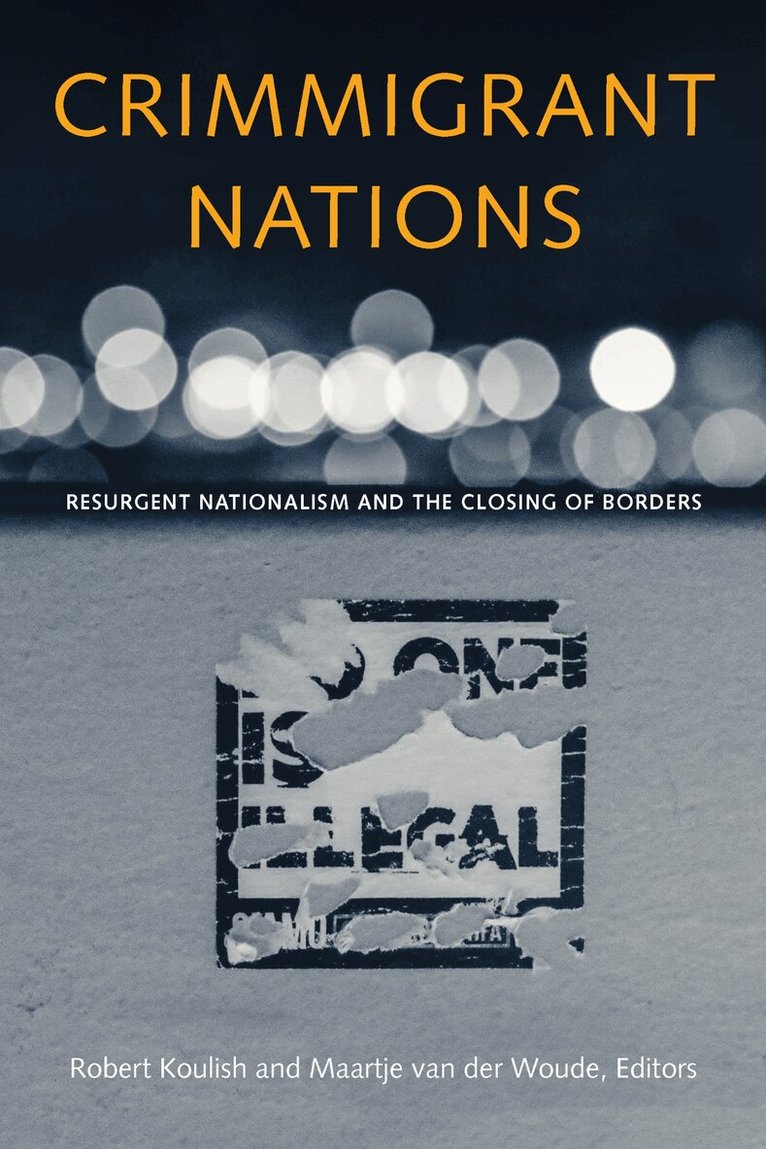
As the distinction between domestic and international is increasingly blurred along with the line between internal and external borders, migrants—particularly people of color—have become emblematic of the hybrid threat both to national security and sovereignty and to safety and order inside the state. From building walls and fences, overcrowding detention facilities, and beefing up border policing and border controls, a new narrative has arrived that has migrants assume the risk for government-sponsored degradation, misery, and death. Crimmigrant Nations examines the parallel rise of anti-immigrant sentiment and right-wing populism in both the United States and Europe to offer an unprecedented look at this issue on an international level.Beginning with the fears and concerns of immigration that predate the election of Trump, the Brexit vote, and the signing and implementation of the Schengen Agreement, Crimmigrant Nations critically analyzes nationalist state policies in countries that have criminalized migrants and categorized them as threats to national security. Highlighting a pressing and perplexing problem facing the Western world in 2020 and beyond, this collection of essays illustrates not only how anti-immigrant sentiments and nationalist discourse are on the rise in various Western liberal democracies, but also how these sentiments are being translated into punitive and cruel policies and practices that contribute to a merger of crime control and migration control with devastating effects for those falling under its reach. Mapping out how these measures are taken, the rationale behind these policies, and who is subjected to exclusion as a result of these measures, Crimmigrant Nations looks beyond the level of the local or the national to the relational dynamics between different actors on different levels and among different institutions.
358 kr
Skickas inom 7-10 vardagar
As the distinction between domestic and international is increasingly blurred along with the line between internal and external borders, migrants—particularly people of color—have become emblematic of the hybrid threat both to national security and sovereignty and to safety and order inside the state. From building walls and fences, overcrowding detention facilities, and beefing up border policing and border controls, a new narrative has arrived that has migrants assume the risk for government-sponsored degradation, misery, and death. Crimmigrant Nations examines the parallel rise of anti-immigrant sentiment and right-wing populism in both the United States and Europe to offer an unprecedented look at this issue on an international level.Beginning with the fears and concerns of immigration that predate the election of Trump, the Brexit vote, and the signing and implementation of the Schengen Agreement, Crimmigrant Nations critically analyzes nationalist state policies in countries that have criminalized migrants and categorized them as threats to national security. Highlighting a pressing and perplexing problem facing the Western world in 2020 and beyond, this collection of essays illustrates not only how anti-immigrant sentiments and nationalist discourse are on the rise in various Western liberal democracies, but also how these sentiments are being translated into punitive and cruel policies and practices that contribute to a merger of crime control and migration control with devastating effects for those falling under its reach. Mapping out how these measures are taken, the rationale behind these policies, and who is subjected to exclusion as a result of these measures, Crimmigrant Nations looks beyond the level of the local or the national to the relational dynamics between different actors on different levels and among different institutions.
Mobility Control Apparatus
Getting to the Core of Crimmigration in the Schengen Area
Inbunden, Engelska, 2025
2 113 kr
Skickas inom 10-15 vardagar
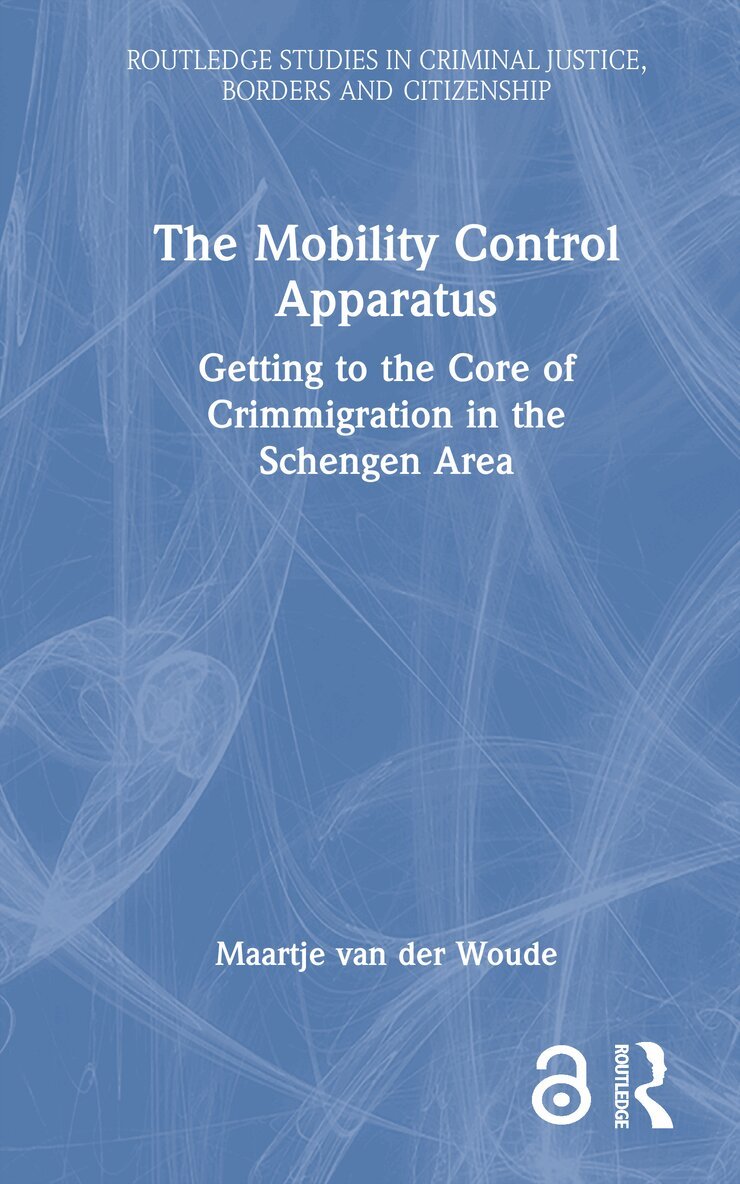
This book critically explores the complexities of intra-Schengen border control and migration dynamics within Europe. It provides a comprehensive analysis of how various actors, including border officials and state apparatuses, interact in managing mobility and enforcing controls. The theoretical foundation draws on Foucault’s concept of the dispositif, examining how borders are enforced through a combination of legal frameworks, discourses, and on-the-ground practices.The book emphasises the importance of discretion in border control, arguing that it plays a pivotal role in shaping decisions at both the organisational and street levels. It delves into the experiences of Dutch border control officers and the wider European context, offering a comparative analysis of Europe’s intra-Schengen borderlands. By drawing on real-world case studies, it showcases the tensions between security and mobility and how migration is managed through both visible and covert policing practices. The work is grounded in rich qualitative data, collected over years of fieldwork, and addresses key debates in migration and criminology studies, particularly the evolving concept of ‘crimmigration’ and its implications for human rights and security policies.This book will be of interest to criminologists, sociologists, legal scholars, and political scientists alike, as well as all those engaged in studies on migration, mobility, and the European Union.The Open Access version of this book, available at http://www.taylorfrancis.com, has been made available under a Creative Commons [Attribution-Non Commercial-No Derivatives (CC-BY-NC-ND)] 4.0 license.
Mobility Control Apparatus
Getting to the Core of Crimmigration in the Schengen Area
Häftad, Engelska, 2025
578 kr
Skickas inom 10-15 vardagar
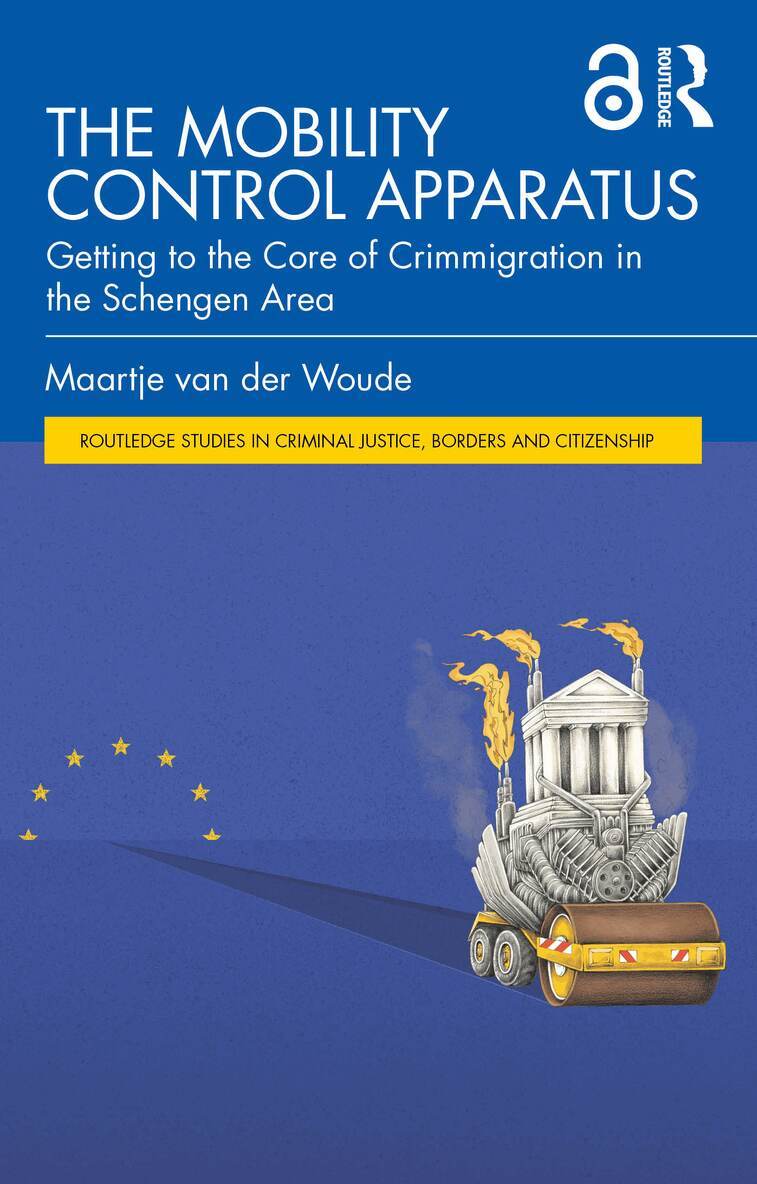
This book critically explores the complexities of intra-Schengen border control and migration dynamics within Europe. It provides a comprehensive analysis of how various actors, including border officials and state apparatuses, interact in managing mobility and enforcing controls. The theoretical foundation draws on Foucault’s concept of the dispositif, examining how borders are enforced through a combination of legal frameworks, discourses, and on-the-ground practices.The book emphasises the importance of discretion in border control, arguing that it plays a pivotal role in shaping decisions at both the organisational and street levels. It delves into the experiences of Dutch border control officers and the wider European context, offering a comparative analysis of Europe’s intra-Schengen borderlands. By drawing on real-world case studies, it showcases the tensions between security and mobility and how migration is managed through both visible and covert policing practices. The work is grounded in rich qualitative data, collected over years of fieldwork, and addresses key debates in migration and criminology studies, particularly the evolving concept of ‘crimmigration’ and its implications for human rights and security policies.This book will be of interest to criminologists, sociologists, legal scholars, and political scientists alike, as well as all those engaged in studies on migration, mobility, and the European Union.The Open Access version of this book, available at http://www.taylorfrancis.com, has been made available under a Creative Commons [Attribution-Non Commercial-No Derivatives (CC-BY-NC-ND)] 4.0 license.