
Madhulika Pradhan – författare
2 721 kr
Skickas inom 10-15 vardagar
- Nyhet
917 kr
Skickas inom 10-15 vardagar
3 255 kr
Läs direkt efter köp
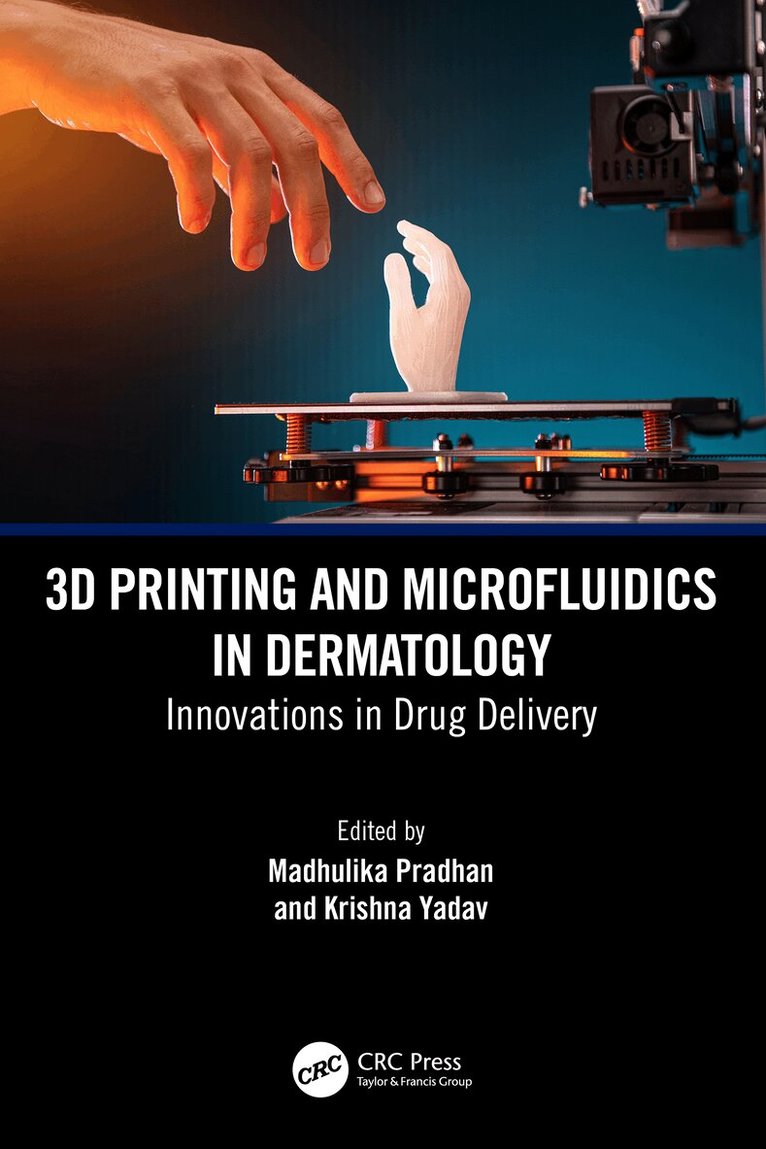
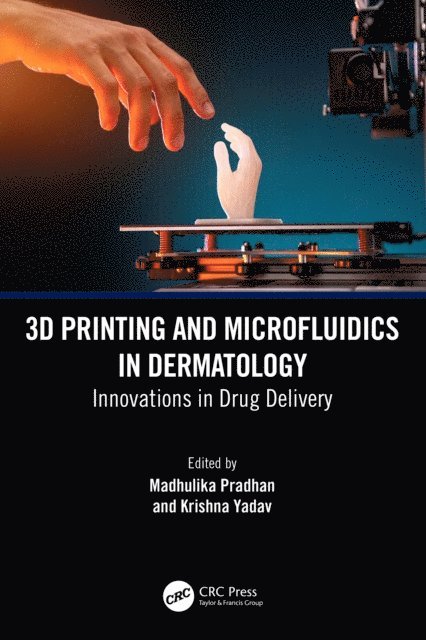
3D Printing and Microfluidics in Dermatology provides a thorough exploration and applications of three-dimensional (3D) printing and microfluidics within the field of dermatology. It investigates various methods utilized in these fields, such as 3D bioprinting, nano-transporters, microscopic fabrication, and device development.
The book not only examines practical applications but also delves into the design principles crucial for implementing these techniques using specific materials tailored to their intended purposes. Additionally, it addresses ethical concerns and regulatory considerations pertinent to these evolving technologies.
Key highlights include the following:
A detailed insight into the utilization of 3D printing and microfluidic technologies for treating skin disorders. Exploration of design concepts necessary for effective implementation, considering the unique properties of materials involved. Coverage of diverse methodologies, ranging from 3D bioprinting to nano-transporters, microscopic fabrication, and device engineering. In-depth discussion on ethical considerations vital for the sustainable development of the industry. Investigation into advancements in material development, device design, fabrication techniques, and performance evaluation through preclinical and clinical studies.This book targets graduate students and researchers in fields such as 3D printing, dermatology, drug delivery, bioengineering, and pharmaceutical sciences.
3 255 kr
Läs direkt efter köp
3D Printing and Microfluidics in Dermatology provides a thorough exploration and applications of three-dimensional (3D) printing and microfluidics within the field of dermatology. It investigates various methods utilized in these fields, such as 3D bioprinting, nano-transporters, microscopic fabrication, and device development.
The book not only examines practical applications but also delves into the design principles crucial for implementing these techniques using specific materials tailored to their intended purposes. Additionally, it addresses ethical concerns and regulatory considerations pertinent to these evolving technologies.
Key highlights include the following:
A detailed insight into the utilization of 3D printing and microfluidic technologies for treating skin disorders. Exploration of design concepts necessary for effective implementation, considering the unique properties of materials involved. Coverage of diverse methodologies, ranging from 3D bioprinting to nano-transporters, microscopic fabrication, and device engineering. In-depth discussion on ethical considerations vital for the sustainable development of the industry. Investigation into advancements in material development, device design, fabrication techniques, and performance evaluation through preclinical and clinical studies.This book targets graduate students and researchers in fields such as 3D printing, dermatology, drug delivery, bioengineering, and pharmaceutical sciences.

918 kr
Läs direkt efter köp

918 kr
Läs direkt efter köp
- Nyhet

1 595 kr
Skickas inom 10-15 vardagar
3 330 kr
Skickas inom 10-15 vardagar
3 980 kr
Läs direkt efter köp
This book delves into the burgeoning field of nano-biomaterials and their application in targeted drug delivery across various therapeutic domains. Through its comprehensive exploration, it offers insights into the innovative approaches and potential of biomaterial-inspired nanomedicines in revolutionizing healthcare.
Chapter 1 introduces readers to the fundamental concepts of biomaterial-inspired nanomedicines, laying the groundwork for subsequent discussions. Chapter 2 delves into the utilization of nano-biomaterials in tissue engineering, highlighting their role in regenerative medicine. The book further examines the targeting of specific physiological barriers, such as the blood-brain barrier (Chapter 3), and explores the opportunities and challenges in biomaterial-based vaccine delivery (Chapter 4). Additionally, it discusses the use of nano-biomaterials in addressing pulmonary obstruction (Chapter 5) and targeting the tumor microenvironment for chemotherapy (Chapter 6). Chapters 7 to 16 explore various therapeutic applications of nano-biomaterials across different medical conditions, including autoimmune skin disorders, diabetes, wound healing, central nervous system disorders, ocular diseases, infectious diseases, musculoskeletal disorders, and gastrointestinal diseases. Furthermore, the book sheds light on advances in nano-biomaterials for effective antimicrobial therapy and offers insights into the clinical and regulatory considerations associated with their use (Chapter 17).
By encompassing a wide range of topics and providing in-depth analyses, "Biomaterial-Inspired Nanomedicines for Targeted Therapies" serves as a valuable resource for researchers, practitioners, and policymakers aiming to leverage the potential of nano-biomaterials in improving healthcare outcomes.