Madhurima Ganguly – författare
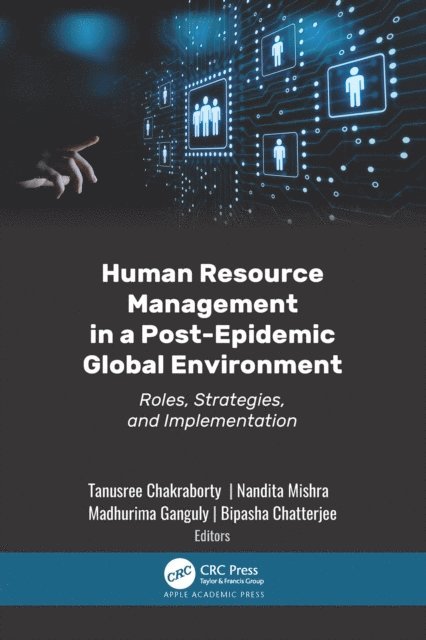
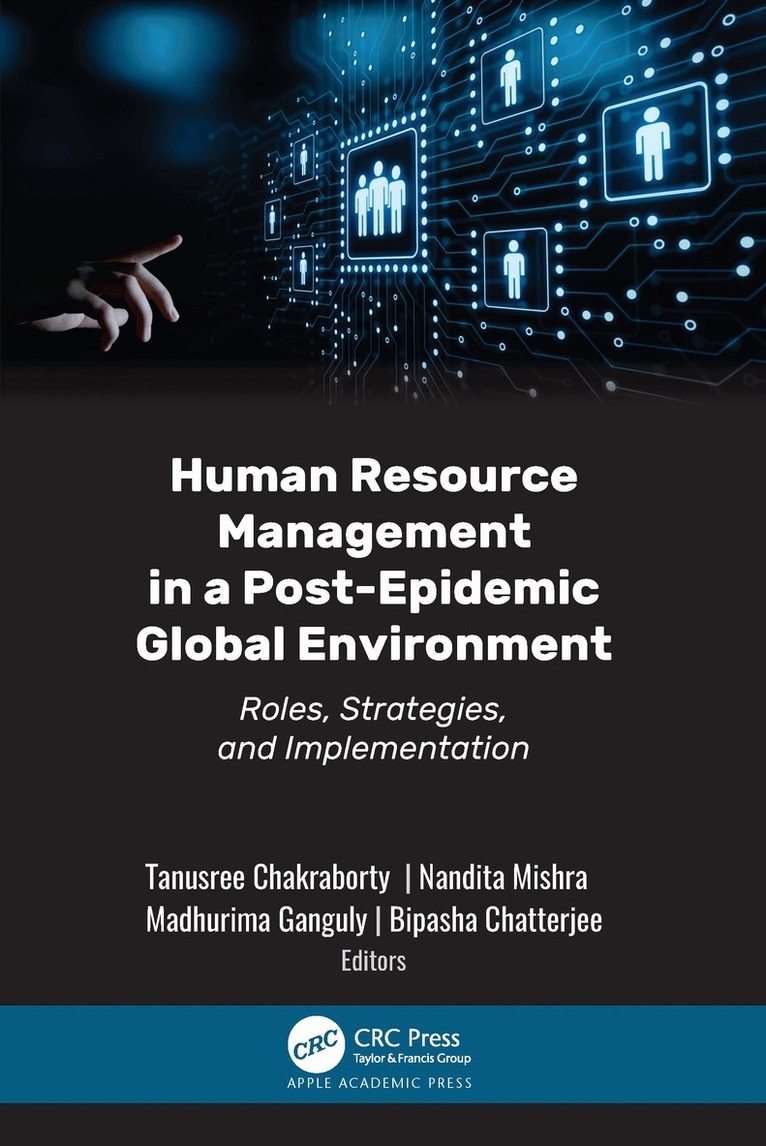
Human Resource Management in a Post-Epidemic Global Environment
Roles, Strategies, and Implementation
2 125 kr
Läs direkt efter köp
This unique volume explores the various aspects of human resources management and challenges that leaders, managers, and employees are facing in dealing with the new normal that is the result of changing workplace conditions and priorities due to the COVID-19 pandemic.
With the outbreak of the pandemic and the resulting nationwide lockdowns, business across the globe came to an unexpected halt. This volume looks at the paradigm shift in the workplace ecosystem and how the world has changed in a big way. It discusses HR’s role in organizational growth strategies, employee well-being, and employee mental health during the economic downturn and offers coping strategies that aim to empower human resources through learning and resilience. This book explains strategies that will help in preserving healthy human resources, which are an important component of an organization’s effectiveness and growth. Chapters explain current trends in business and technology, the need for constant upskilling and digital dexterity, managing tech detox, and the way employees should work in the new normal.
Chapters in Human Resource Management in a Post-Epidemic Global Environment: Roles, Strategies, and Implementations cover how the role of HR has changed with the pandemic; workplace communication strategies; challenges and opportunities of technology use in work-from-home scenarios; flexible work practices; effective employee retention; preserving employees’ well-being, mental health, and work-life balance; the effect on gender equity; HR challenges in the tourism sector; and much more.
Organizations that adopt post-pandemic HR roles and strategies not only have the path to innovation but will also have a competitive landscape in the changing scenario. HR leadership and others at corporations and organizations—both large and small—will find this volume to be a useful resource for discussion, implementation, and innovation.
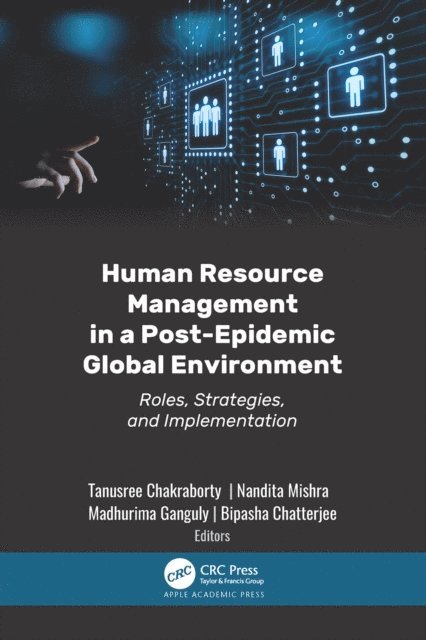
Human Resource Management in a Post-Epidemic Global Environment
Roles, Strategies, and Implementation
2 125 kr
Läs direkt efter köp
This unique volume explores the various aspects of human resources management and challenges that leaders, managers, and employees are facing in dealing with the new normal that is the result of changing workplace conditions and priorities due to the COVID-19 pandemic.
With the outbreak of the pandemic and the resulting nationwide lockdowns, business across the globe came to an unexpected halt. This volume looks at the paradigm shift in the workplace ecosystem and how the world has changed in a big way. It discusses HR’s role in organizational growth strategies, employee well-being, and employee mental health during the economic downturn and offers coping strategies that aim to empower human resources through learning and resilience. This book explains strategies that will help in preserving healthy human resources, which are an important component of an organization’s effectiveness and growth. Chapters explain current trends in business and technology, the need for constant upskilling and digital dexterity, managing tech detox, and the way employees should work in the new normal.
Chapters in Human Resource Management in a Post-Epidemic Global Environment: Roles, Strategies, and Implementations cover how the role of HR has changed with the pandemic; workplace communication strategies; challenges and opportunities of technology use in work-from-home scenarios; flexible work practices; effective employee retention; preserving employees’ well-being, mental health, and work-life balance; the effect on gender equity; HR challenges in the tourism sector; and much more.
Organizations that adopt post-pandemic HR roles and strategies not only have the path to innovation but will also have a competitive landscape in the changing scenario. HR leadership and others at corporations and organizations—both large and small—will find this volume to be a useful resource for discussion, implementation, and innovation.
2 125 kr
Läs direkt efter köp
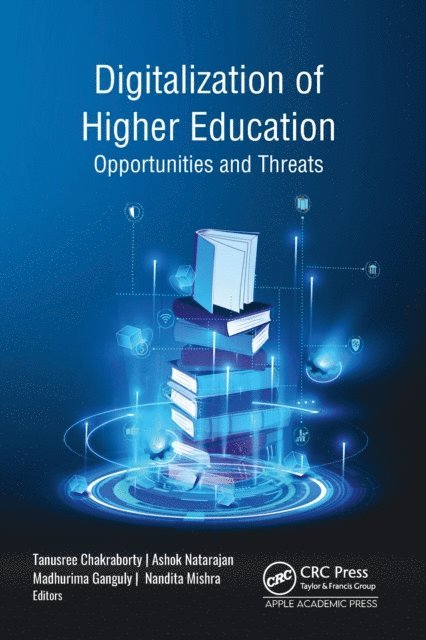
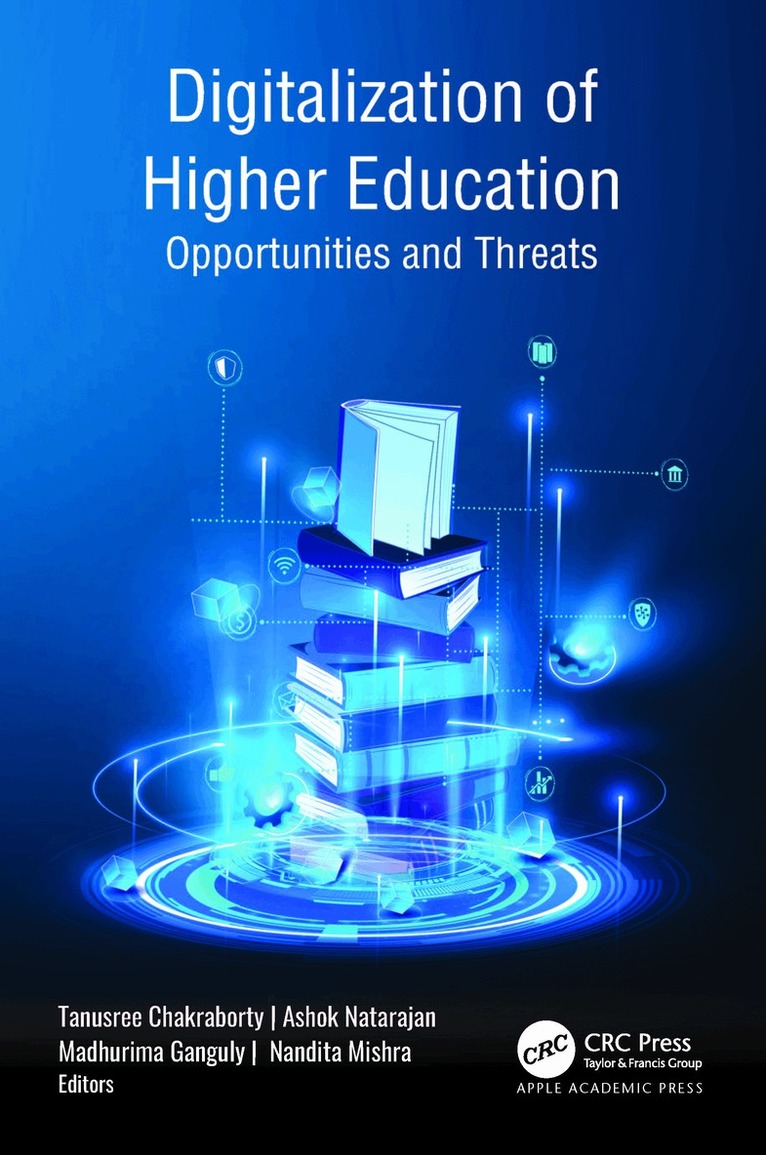
Digital transformation of education is happening at a rapid pace, especially with the advent of the Covid-19 pandemic. Yet the transformation is not yet complete because it was implemented in a willy-nilly way. This volume examines the current status of digitalization in higher education, with emphasis on lessons to be learned for the ongoing transformation—what it bodes for the future and how we may shape the direction and scope of the change.
Digitalization in Higher Education: Opportunities and Threats examines the policies of governments, higher education institution management, leadership styles to aid digitalization, the use of online teaching tools, changes in educational pedagogy, the impact of educational technology on the attitudes of students and educators to learning, and more.
Topics include:
opportunities in higher education that were made available by a digitalization process digital management leadership of the HEIs governmental initiatives introduced in conjunction with new education policy how digitalization makes the process of learning more efficient and effective students and teachers’ acceptance of digitalization psychological constructs of model cognitive, behavioral, and affective effects of e-learning open educational resources and learning management systems positive and negative aspects of moving to an online platform marginalization of the individual due to inadequate resources The role of capitalism and neo-liberalism in the digitalization process of HEIsThis book will be of value to educators and public policy officials as it provides important updates to what is happening in the field of higher education and also make several policy recommendations that may be of interest to administrators and leaders in public policy areas.
2 125 kr
Läs direkt efter köp
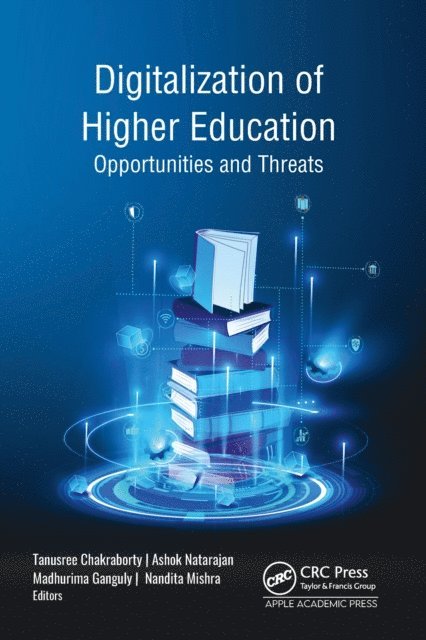
Digital transformation of education is happening at a rapid pace, especially with the advent of the Covid-19 pandemic. Yet the transformation is not yet complete because it was implemented in a willy-nilly way. This volume examines the current status of digitalization in higher education, with emphasis on lessons to be learned for the ongoing transformation—what it bodes for the future and how we may shape the direction and scope of the change.
Digitalization in Higher Education: Opportunities and Threats examines the policies of governments, higher education institution management, leadership styles to aid digitalization, the use of online teaching tools, changes in educational pedagogy, the impact of educational technology on the attitudes of students and educators to learning, and more.
Topics include:
opportunities in higher education that were made available by a digitalization process digital management leadership of the HEIs governmental initiatives introduced in conjunction with new education policy how digitalization makes the process of learning more efficient and effective students and teachers’ acceptance of digitalization psychological constructs of model cognitive, behavioral, and affective effects of e-learning open educational resources and learning management systems positive and negative aspects of moving to an online platform marginalization of the individual due to inadequate resources The role of capitalism and neo-liberalism in the digitalization process of HEIsThis book will be of value to educators and public policy officials as it provides important updates to what is happening in the field of higher education and also make several policy recommendations that may be of interest to administrators and leaders in public policy areas.
Human Resource Management in a Post-Epidemic Global Environment
Roles, Strategies, and Implementation
1 819 kr
Skickas inom 10-15 vardagar
1 768 kr
Skickas inom 10-15 vardagar