Maeve McKeown – författare
Visar alla böcker från författaren . Handla med fri frakt och snabb leverans.
7 produkter
7 produkter
Inbunden, Engelska, 2024
1 388 kr
Skickas inom 5-8 vardagar
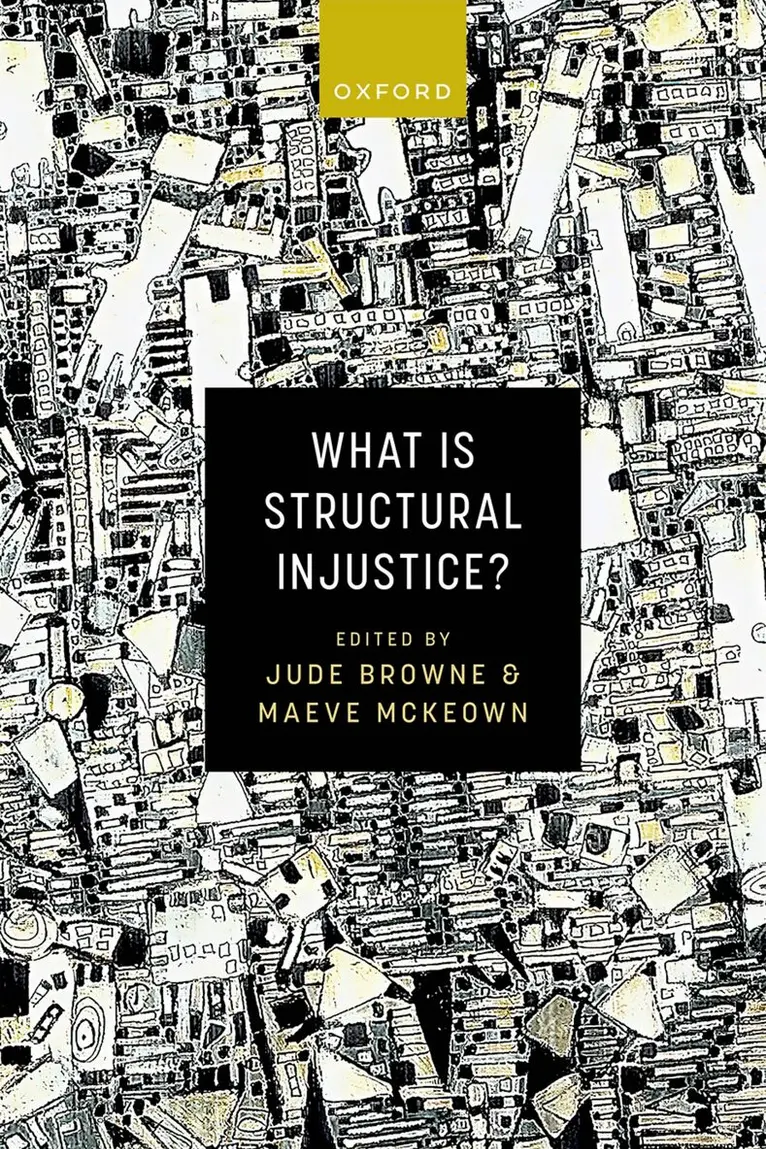
What is Structural Injustice? is the first edited collection to bring together the voices of leading structural injustice scholars to provide an overview of this profoundly important concept. The volume features specially selected original and essential works on structural injustice, providing a range of disciplinary, ontological, and epistemological perspectives on what structural injustice is, and includes feminist and post-colonial theories to interrogate how structural injustice exacerbates and reproduces existing inequalities and relations of power.This is an open access title available under the terms of a [CC BY-NC-ND 4.0 International] licence. It is free to read at Oxford Scholarship Online and offered as a free PDF download from OUP and selected open access locations.
Inbunden, Engelska, 2024
974 kr
Skickas inom 10-15 vardagar
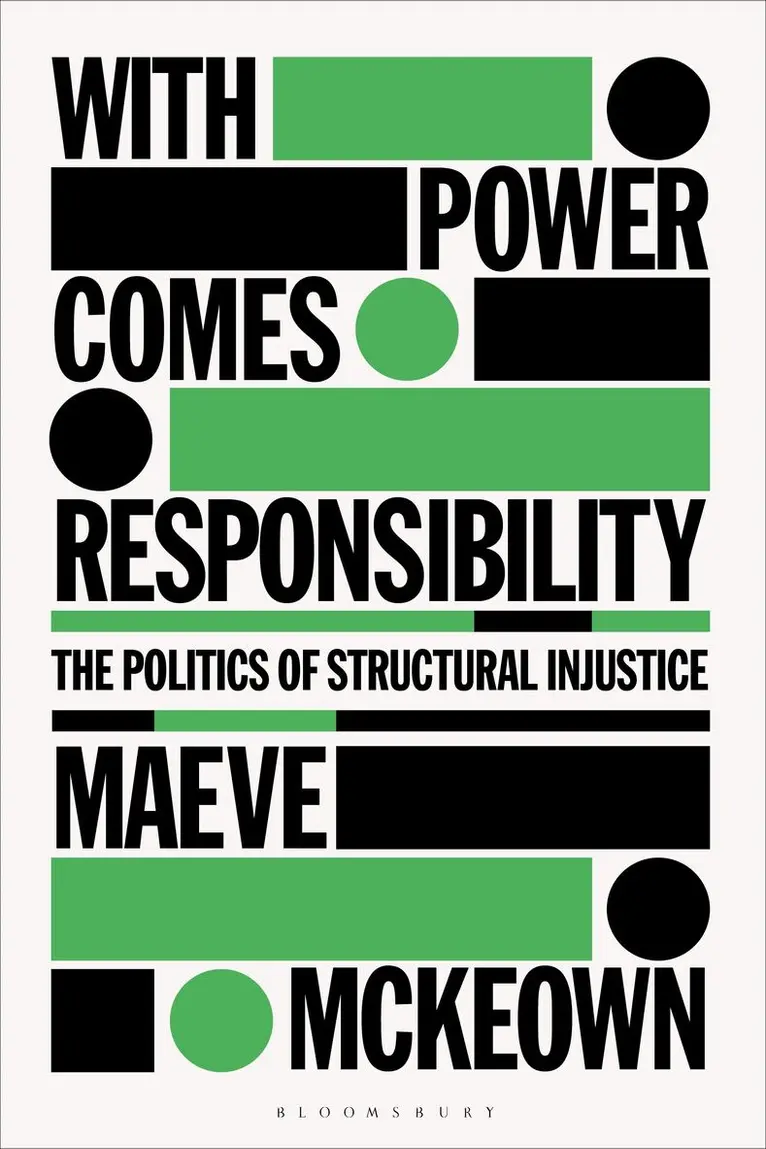
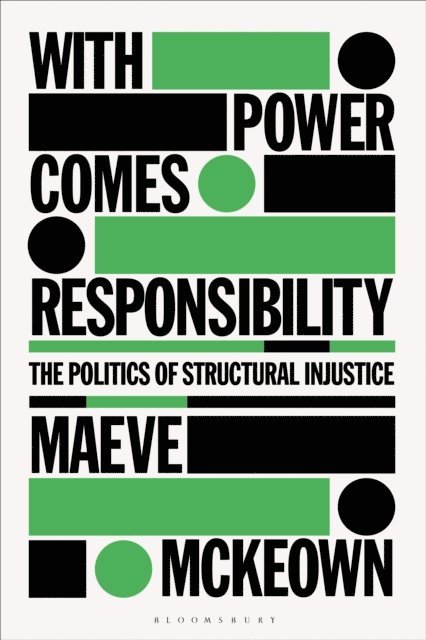
What is structural injustice, and who ultimately bears responsibility for it? In answering these questions Maeve McKeown goes beyond the widely accepted narrative of unintended consequences and blameless participation to explain how power and responsibility truly function in today’s world.Drawing on case studies from sweatshops to climate change, McKeown identifies three types of structural injustice: the pure and unintended accumulation of disparate activities; the avoidable injustice that could be ameliorated by the powerful but nevertheless continues; the deliberate perpetuation of structural processes that benefit powerful political and economic agents. In each of these, the role of power is different which changes the allocation of responsibility. From this understanding, we can shape a deeper, more sophisticated idea of how structural injustice operates and what we as individuals can do about it. What is the political responsibility of ordinary individuals? How can ordinary individuals with very little power pressure morally responsible, powerful agents to address structural injustice? Do we have the same responsibility for historical injustice as we do for that which we see in today’s world? This is fundamental reassessment of the relationship between power, ordinary people and responsibility for structural injustice.
Häftad, Engelska, 2024
307 kr
Skickas inom 5-8 vardagar
What is structural injustice, and who ultimately bears responsibility for it? In answering these questions Maeve McKeown goes beyond the widely accepted narrative of unintended consequences and blameless participation to explain how power and responsibility truly function in today’s world.Drawing on case studies from sweatshops to climate change, McKeown identifies three types of structural injustice: the pure and unintended accumulation of disparate activities; the avoidable injustice that could be ameliorated by the powerful but nevertheless continues; the deliberate perpetuation of structural processes that benefit powerful political and economic agents. In each of these, the role of power is different which changes the allocation of responsibility. From this understanding, we can shape a deeper, more sophisticated idea of how structural injustice operates and what we as individuals can do about it. What is the political responsibility of ordinary individuals? How can ordinary individuals with very little power pressure morally responsible, powerful agents to address structural injustice? Do we have the same responsibility for historical injustice as we do for that which we see in today’s world? This is fundamental reassessment of the relationship between power, ordinary people and responsibility for structural injustice.
E-bok
PDF, Engelska, 2024348 kr
Läs direkt efter köp
What is structural injustice, and who ultimately bears responsibility for it? In answering these questions Maeve McKeown goes beyond the widely accepted narrative of unintended consequences and blameless participation to explain how power and responsibility truly function in today''s world.Drawing on case studies from sweatshops to climate change, McKeown identifies three types of structural injustice: the pure and unintended accumulation of disparate activities; the avoidable injustice that could be ameliorated by the powerful but nevertheless continues; the deliberate perpetuation of structural processes that benefit powerful political and economic agents. In each of these, the role of power is different which changes the allocation of responsibility. From this understanding, we can shape a deeper, more sophisticated idea of how structural injustice operates and what we as individuals can do about it. What is the political responsibility of ordinary individuals? How can ordinary individuals with very little power pressure morally responsible, powerful agents to address structural injustice? Do we have the same responsibility for historical injustice as we do for that which we see in today''s world? This is fundamental reassessment of the relationship between power, ordinary people and responsibility for structural injustice.
E-bok
Engelska, 2024347 kr
Läs direkt efter köp
What is structural injustice, and who ultimately bears responsibility for it? In answering these questions Maeve McKeown goes beyond the widely accepted narrative of unintended consequences and blameless participation to explain how power and responsibility truly function in today''s world.Drawing on case studies from sweatshops to climate change, McKeown identifies three types of structural injustice: the pure and unintended accumulation of disparate activities; the avoidable injustice that could be ameliorated by the powerful but nevertheless continues; the deliberate perpetuation of structural processes that benefit powerful political and economic agents. In each of these, the role of power is different which changes the allocation of responsibility. From this understanding, we can shape a deeper, more sophisticated idea of how structural injustice operates and what we as individuals can do about it. What is the political responsibility of ordinary individuals? How can ordinary individuals with very little power pressure morally responsible, powerful agents to address structural injustice? Do we have the same responsibility for historical injustice as we do for that which we see in today''s world? This is fundamental reassessment of the relationship between power, ordinary people and responsibility for structural injustice.
Inbunden, Engelska, 2027
1 432 kr
Kommande
More than any other Humanities discipline, philosophy has an underrepresentation problem.Drawing on the concept of “structural injustice,” this book analyzes underrepresentation as a product of unjust social structures. Within the teaching of philosophy, it explores structural exclusion in the classroom, conversations, and curricula; within philosophical research it investigates power hierarchies and linguistic injustices; as well as how the dominant research methods and practices result from and reinforce unjust structures; and within the philosophy profession it interrogates hiring procedures, evaluative practices, the job market, sexual harassment, and job precarity.Revealing how these interconnected structures reproduce inequality in academic philosophy, Structural Injustice in Philosophy also advances concrete solutions for change. Its commitment to addressing structural injustice is reflected in its list of contributors, who represent a range of career stages, ages, nationalities, genders, races, levels of ability, and institutional affiliations. In this way, the collection seeks not only to diagnose the problem but also to help transform the discipline.This project is an initiative of the Minorities and Philosophy organization.
Häftad, Engelska, 2010
148 kr
Skickas
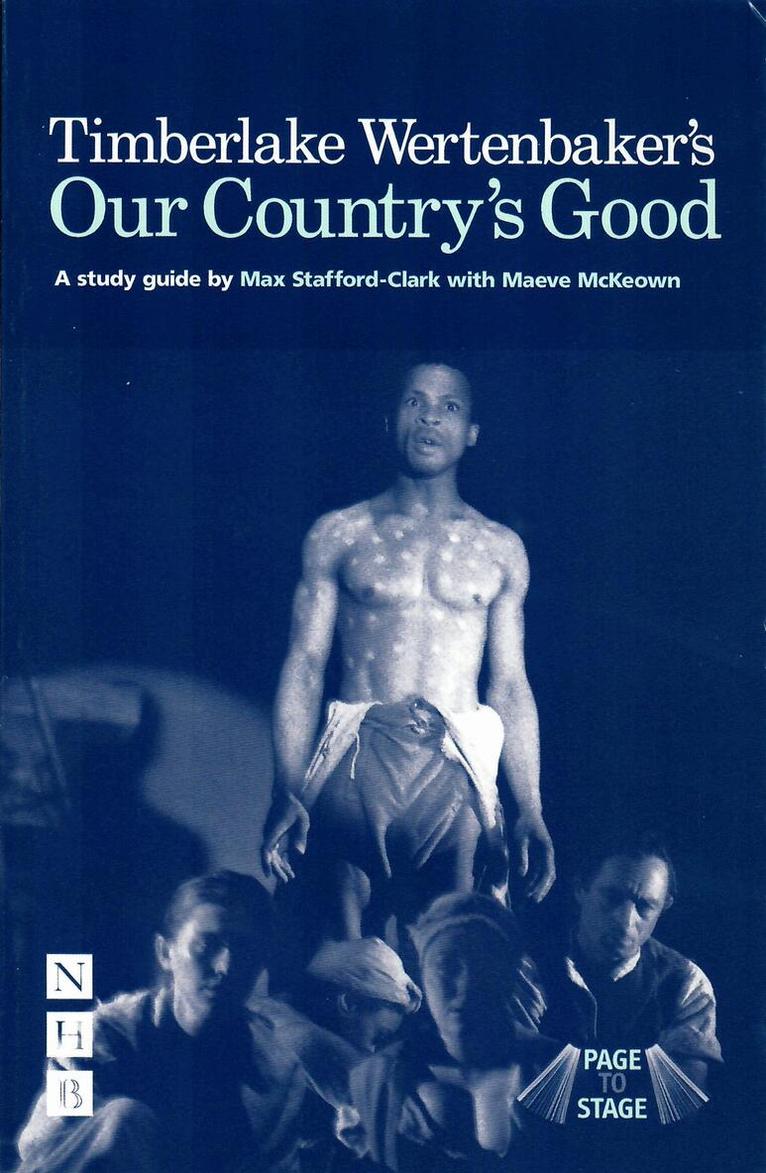
Page to Stage series – highly accessible guides to the world's best-known plays, written by established theatre professionals to show how the plays come to life on the stage.'Modern classic' was the fitting accolade bestowed on Timberlake Wertenbaker's Our Country's Good soon after its premiere in 1988 at the Royal Court Theatre, London. The play tells how a company of convicts staged George Farquhar's The Recruiting Officer in the early days of the Australian penal colony.Having directed the premiere, Max Stafford-Clark brings his own unrivalled insights to this in-depth study of how it actually works on stage. Sections include an introduction about the creation of the play, a discussion of its action moment by moment, the historical context, the characters and how the production was rehearsed and designed for its original production. The result is an invaluable and authoritative guide for anyone studying, teaching or performing the play.