Magda Stouthamer-Loeber - Böcker
Visar alla böcker från författaren Magda Stouthamer-Loeber. Handla med fri frakt och snabb leverans.
5 produkter
5 produkter
Del 39 - Applied Social Research Methods
Data Collection and Management
A Practical Guide
Häftad, Engelska, 1995
1 738 kr
Skickas inom 3-6 vardagar
Tired of a trial-and-error approach to collecting and managing data? Data Collection and Management offers helpful information on managing research projects. By stressing how to use good standards for data collecting and processing, the authors cover such important how-tos as planning research activities; making budgetary decisions and keeping the budget under control; hiring, training, and supervising field interviewing staff; establishing whether interviewers are ready to start interviewing; and ensuring high participant acquisition and retention rates. The book also covers using computerized information systems for tracking data collected and the data management process. Proposal writers, principal investigators, graduate research students, and project coordinators of research requiring large-scale field data collection will find the book to be an indispensable tool.
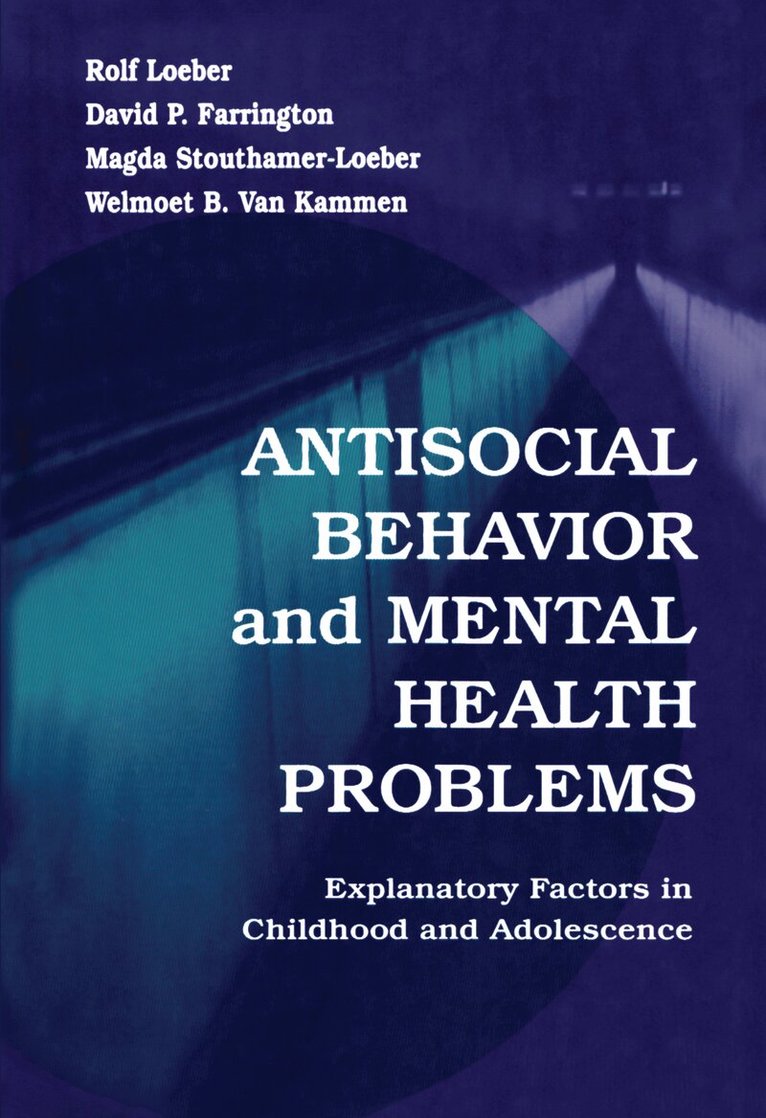
Antisocial Behavior and Mental Health Problems
Explanatory Factors in Childhood and Adolescence
Inbunden, Engelska, 1998
2 162 kr
Skickas inom 10-15 vardagar
Epidemiological surveys have provided key information about the prevalence and degree of seriousness at different ages of a wide array of problem behaviors such as delinquency, substance use, early sexual involvement, and mental health disorders. Knowledge of the extent of these problems and changes in their course over time is important. In its absence, interventions and health planning in general can be difficult. Understanding which risk and protective factors are relevant to which problem behaviors is also essential for the formulation of theories that constitute the basis of intervention. This book draws on the results of the major Pittsburgh Youth Study complemented by follow-up tracking of juvenile court records for more than six years, to address the following questions: *What is the prevalence and age of onset of delinquency, substance use, and early sexual behavior for three samples of boys age 8, 11, and 14? What are the average mental health problems for these ages? How strong are the relationships among these problem behaviors in each of the samples?*Which variables best explain individual differences among the boys in their manifestations of delinquency, substance use, early sexual behavior, and mental health problems? To what extent do explanatory factors vary with age? How accurately can boys with different outcomes be identified by risk scores based on hierarchical multiple regressions?*To what extent are explanatory factors associated with one outcome that are also associated with other outcomes? Are explanatory factors that are especially characteristic of a multiproblem group of boys--who display many different problem behaviors--different from explanatory factors associated with boys with few problems?*Do the results fit a general theory of juvenile problem behaviors, or is a differentiated theory more applicable?
Violence and Serious Theft
Development and Prediction from Childhood to Adulthood
Inbunden, Engelska, 2008
1 581 kr
Skickas inom 10-15 vardagar
In this volume, top experts in the field of delinquency discuss the implications of the findings of the Pittsburgh Youth Study for current conceptualizations of antisocial behavior. Violence and Serious Theft is unique in that it combines the strengths of three disciplines to explain delinquency in young people: developmental psychopathology, criminology, and public health. The book addresses questions in two main areas: serious offending as an outcome over time and developmental aspects of serious offending; and factors which explain why some young males become violent and/or commit serious crime while others do not. Violence and Serious Theft is a resource for researchers, practitioners and students in developmental, school and counseling psychology; psychopathology, psychiatry, public health and criminology.
Violence and Serious Theft
Development and Prediction from Childhood to Adulthood
Häftad, Engelska, 2014
674 kr
Skickas inom 10-15 vardagar
In this volume, top experts in the field of delinquency discuss the implications of the findings of the Pittsburgh Youth Study for current conceptualizations of antisocial behavior. Violence and Serious Theft is unique in that it combines the strengths of three disciplines to explain delinquency in young people: developmental psychopathology, criminology, and public health. The book addresses questions in two main areas: serious offending as an outcome over time and developmental aspects of serious offending; and factors which explain why some young males become violent and/or commit serious crime while others do not. Violence and Serious Theft is a resource for researchers, practitioners and students in developmental, school and counseling psychology; psychopathology, psychiatry, public health and criminology.
Antisocial Behavior and Mental Health Problems
Explanatory Factors in Childhood and Adolescence
Häftad, Engelska, 2015
841 kr
Skickas inom 10-15 vardagar
Epidemiological surveys have provided key information about the prevalence and degree of seriousness at different ages of a wide array of problem behaviors such as delinquency, substance use, early sexual involvement, and mental health disorders. Knowledge of the extent of these problems and changes in their course over time is important. In its absence, interventions and health planning in general can be difficult. Understanding which risk and protective factors are relevant to which problem behaviors is also essential for the formulation of theories that constitute the basis of intervention. This book draws on the results of the major Pittsburgh Youth Study complemented by follow-up tracking of juvenile court records for more than six years, to address the following questions: *What is the prevalence and age of onset of delinquency, substance use, and early sexual behavior for three samples of boys age 8, 11, and 14? What are the average mental health problems for these ages? How strong are the relationships among these problem behaviors in each of the samples?*Which variables best explain individual differences among the boys in their manifestations of delinquency, substance use, early sexual behavior, and mental health problems? To what extent do explanatory factors vary with age? How accurately can boys with different outcomes be identified by risk scores based on hierarchical multiple regressions?*To what extent are explanatory factors associated with one outcome that are also associated with other outcomes? Are explanatory factors that are especially characteristic of a multiproblem group of boys--who display many different problem behaviors--different from explanatory factors associated with boys with few problems?*Do the results fit a general theory of juvenile problem behaviors, or is a differentiated theory more applicable?