
Magnus O Bassey – författare
Visar alla böcker från författaren Magnus O Bassey. Handla med fri frakt och snabb leverans.
4 produkter
4 produkter
Häftad, Engelska, 2005
987 kr
Skickas inom 5-8 vardagar
Inbunden, Engelska, 1999
993 kr
Skickas inom 10-15 vardagar
The contribution of Western education to the creation of an African-educated elite is well documented. What is not equally well documented is the fact that African-educated elites have used their education and the schools to perpetuate their dominance by denying the poor the knowledge necessary to protect their political and economic rights and to advance in society. On the other hand, educated elites in Africa make opportunities available to their own members through selective ordering, legitimization of certain language forms and learning processes in schools, and legitimization of elite codes and experiences to the exclusion of the histories, experiences, and worldviews of the poor.This book highlights the processes by which the poor in Africa have been disenfranchised and marginalized through schools' ascriptive mechanisms, and explains why African economic development is very slow.
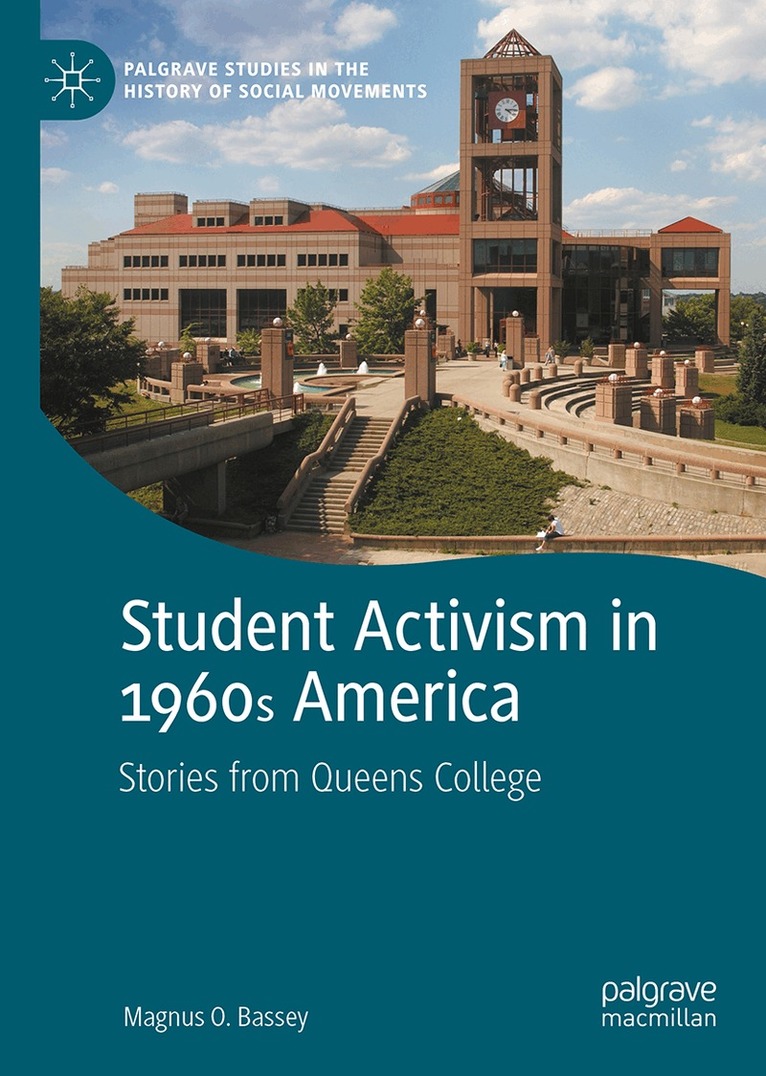
Inbunden, Engelska, 2024
1 431 kr
Skickas inom 10-15 vardagar
This book sheds light on the untold stories of individual student activists at Queens College, New York City, during the 1960s. At Queens College (QC), as the students moved away from the repressive McCarthy era of the 1950s, they began to confront and challenge those in power at the college in the 1960s.
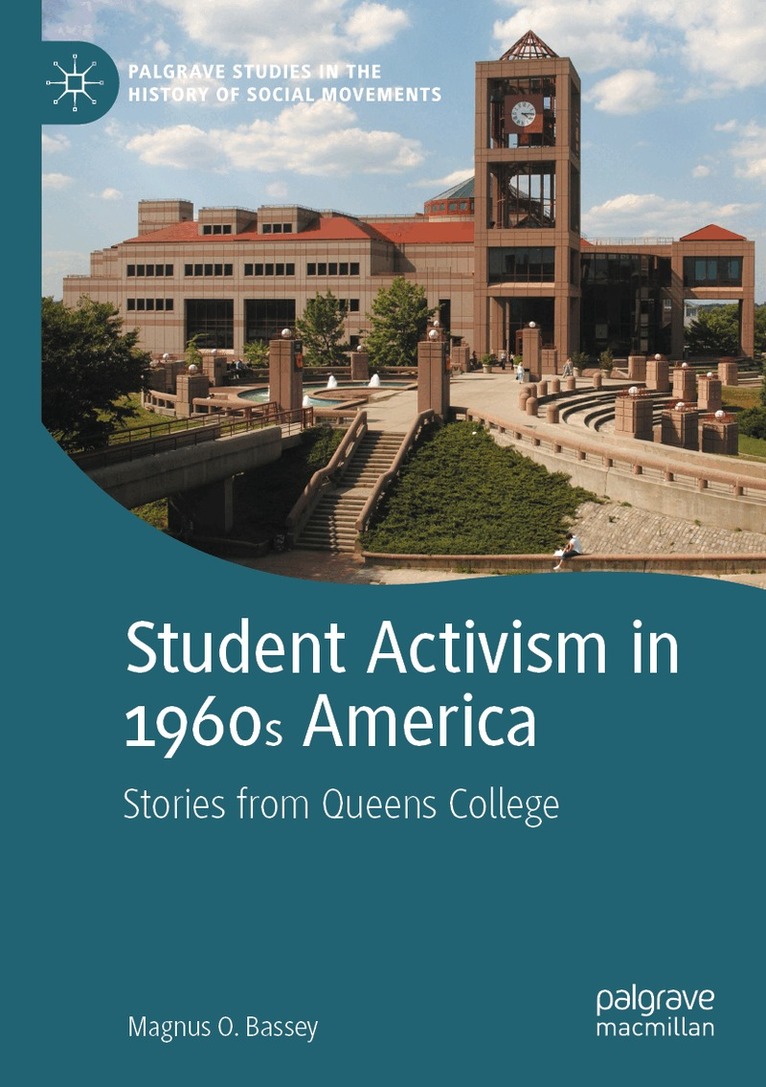
Häftad, Engelska, 2025
1 431 kr
Skickas inom 10-15 vardagar
This book sheds light on the untold stories of individual student activists at Queens College, New York City, during the 1960s. Against the backdrop of the ongoing Vietnam War and the assassination of President John F. Kennedy, some Americans began to lose faith in their government. Based on injustices that students saw in their campuses, in the country, and in the world at large, they began to question their political leaders. Students organized their discontents over three major issues: civil rights, free speech, and anti-war sentiments. Their protests involved direct actions such as sit-ins, marches, picketing, and boycotts. At Queens College (QC), as the students moved away from the repressive McCarthy era of the 1950s, they began to confront and challenge those in power at the college in the 1960s. The defining characteristic of this break from the past was a student strike in 1961 in objection to the ban of controversial speakers who had been invited to campus by student clubs. The student strike of 1961 gave the activists among them a direct and immediate way to fight power on campus and to fight racism and discrimination. The author argues that student movements cannot be attributed to a single explanation, and therefore, he focuses on individual historical contexts, presenting first-person narratives from the actual participants, and tells their stories in their own voices, from their own records, and from the documents they left behind. The book identifies the QC student activists of the 1960s, exploring how and why they became activists; their activities; their achievement as activists; and what motivated them to think that they could make history themselves by confronting racism. It provides an intimate look at the students’ lives and their social justice journey, beginning at Queens College and as they moved into their careers.