Mahmoud Pargoo – författare
Visar alla böcker från författaren Mahmoud Pargoo. Handla med fri frakt och snabb leverans.
6 produkter
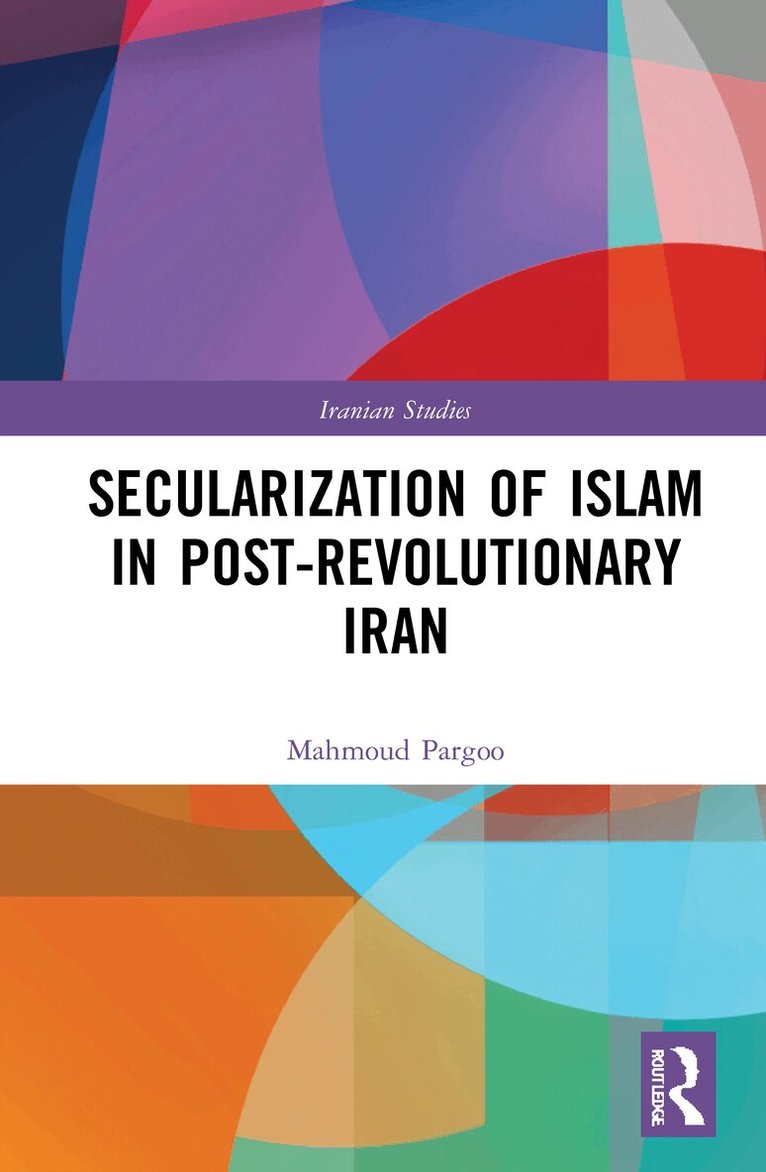
Secularization of Islam in Post-Revolutionary Iran
Inbunden, 2021
2512 kr
Lägg i varukorg
Examining the trajectory of the secularization of Islam in Iran, this book explains how efforts to Islamize society led, self-destructively, to its secularization. The research engages a range of debates across different fields, emphasizing the political and epistemological instability of the basic …
Secularization of Islam in Post-Revolutionary Iran
Häftad, 2023
648 kr
Lägg i varukorg
Examining the trajectory of the secularization of Islam in Iran, this book explains how efforts to Islamize society led, self-destructively, to its secularization. The research engages a range of debates across different fields, emphasizing the political and epistemological instability of the basic …
Secularization of Islam in Post-Revolutionary Iran
E-bok, 2021
746 kr
Lägg i varukorg
Examining the trajectory of the secularization of Islam in Iran, this book explains how efforts to Islamize society led, self-destructively, to its secularization. The research engages a range of debates across different fields, emphasizing the political and epistemological instability of the basic …
Secularization of Islam in Post-Revolutionary Iran
E-bok, 2021
746 kr
Lägg i varukorg
Examining the trajectory of the secularization of Islam in Iran, this book explains how efforts to Islamize society led, self-destructively, to its secularization. The research engages a range of debates across different fields, emphasizing the political and epistemological instability of the basic …
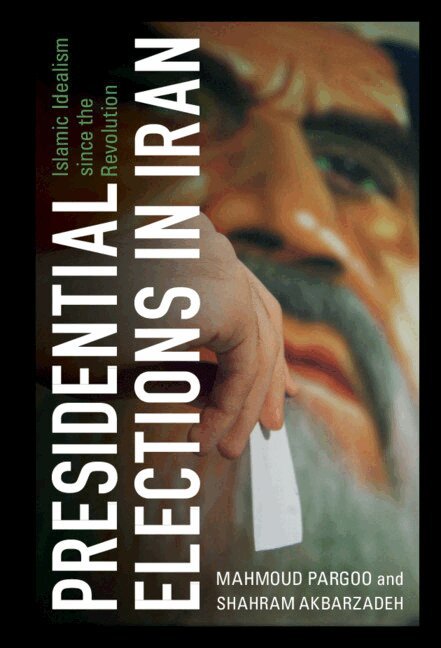
Presidential Elections in Iran
Islamic Idealism since the Revolution
Av Mahmoud Pargoo, Shahram Akbarzadeh
Inbunden, 2021
1147 kr
Lägg i varukorg
The dominant narrative of Iranian society and politics heralds the reformist movement as the epitome of Iran's transition to secularity, while conservative political forces are positioned as advocates of Islamization and a bulwark against secularization. Examining all the presidential elections …
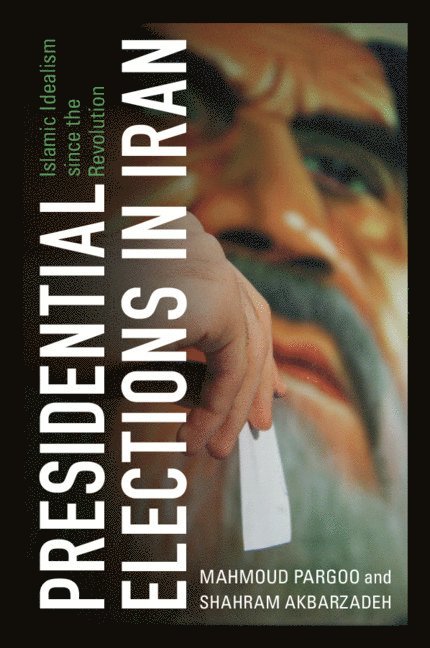
Presidential Elections in Iran
Islamic Idealism since the Revolution
Av Mahmoud Pargoo, Shahram Akbarzadeh
Häftad, 2021
569 kr
Lägg i varukorg
The dominant narrative of Iranian society and politics heralds the reformist movement as the epitome of Iran's transition to secularity, while conservative political forces are positioned as advocates of Islamization and a bulwark against secularization. Examining all the presidential elections …