Mairi O'Gorman – författare
Visar alla böcker från författaren Mairi O'Gorman. Handla med fri frakt och snabb leverans.
4 produkter
4 produkter
Inbunden, Engelska, 2024
2 433 kr
Skickas inom 10-15 vardagar
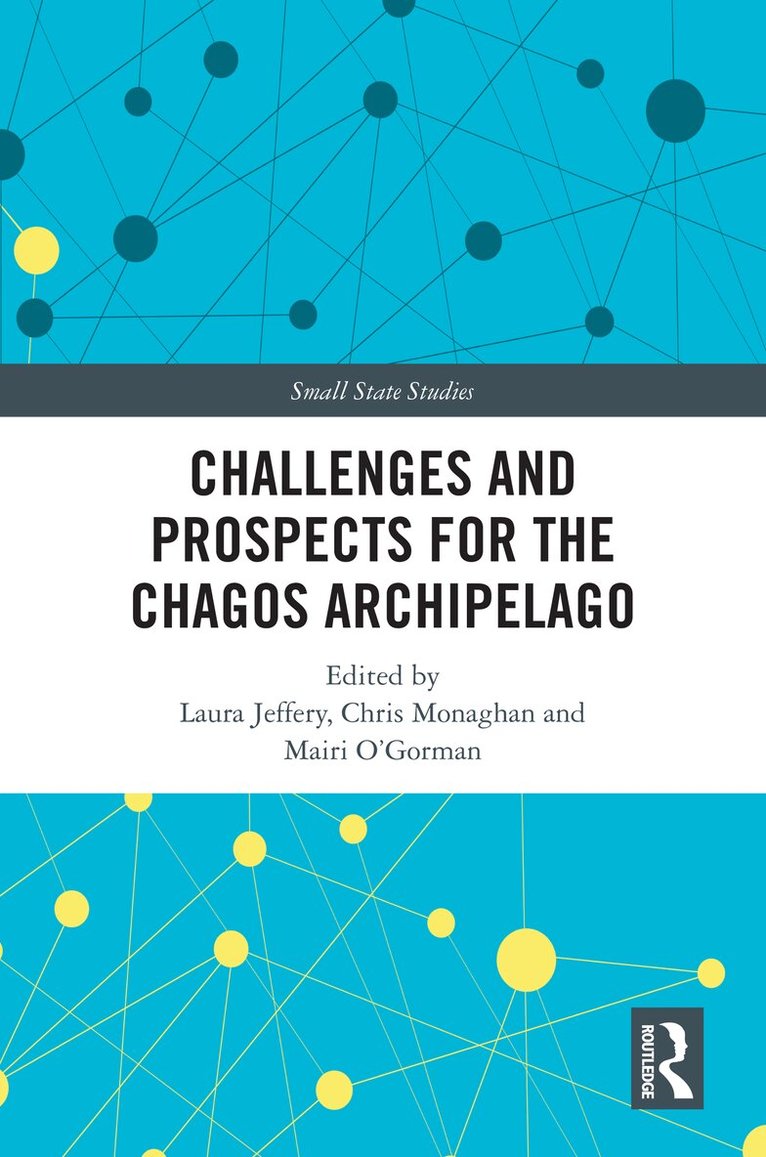
Challenges and Prospects for the Chagos Archipelago considers the origins, challenges and future of Chagos, bringing together leading experts and academics specialising in differing aspects of the Chagos dispute. In 1965, as part of negotiations leading to Mauritian independence in 1968, the UK government excised the Chagos Archipelago from the colony of Mauritius to form part of a new overseas territory, the British Indian Ocean Territory (BIOT). The UK then set about removing the population of the Chagos Islands in order to allow the United States to construct a military base. As a consequence of the UK’s acquisition of the Chagos Islands and the expulsion of the Chagossian population, there has been wide ranging litigation brought by Mauritius and the Chagossians. This has reached the International Court of Justice, the United Nations General Assembly, the European Court of Human Rights and the UK Supreme Court. This book offers a wide-ranging debate between experts and practitioners, including those of Chagossian and Mauritian heritage, touching upon key developments and offering an inclusive approach that transcends traditional disciplinary silos. Issues such as international and constitutional law, human rights, colonialism and decolonisation, using creative writing to express the experience of banishment, international relations, environmentalism, and globalisation, will be explored as part of a dialogue that sheds new light on the Chagos dispute. Edited by experts on Chagos, the contributors are drawn from across the globe, and all have a distinctive take on what has happened, what it means for the world and the region, and how Chagos will both shape and be shaped by the future. This book will be of great interest to students, academics and researchers from across the humanities and social sciences, including political science, international relations, law, sociology, socio-legal studies, human rights, social anthropology, indigenous rights, history, colonialism, postcolonialism, and cultural studies, as well as practitioners, policymakers and general readers who are interested in Chagos.
Häftad, Engelska, 2026
684 kr
Skickas inom 10-15 vardagar
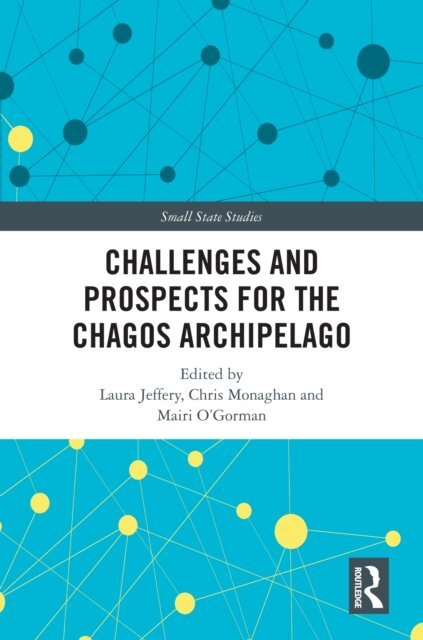
Challenges and Prospects for the Chagos Archipelago considers the origins, challenges and future of Chagos, bringing together leading experts and academics specialising in differing aspects of the Chagos dispute. In 1965, as part of negotiations leading to Mauritian independence in 1968, the UK government excised the Chagos Archipelago from the colony of Mauritius to form part of a new overseas territory, the British Indian Ocean Territory (BIOT). The UK then set about removing the population of the Chagos Islands in order to allow the United States to construct a military base. As a consequence of the UK’s acquisition of the Chagos Islands and the expulsion of the Chagossian population, there has been wide ranging litigation brought by Mauritius and the Chagossians. This has reached the International Court of Justice, the United Nations General Assembly, the European Court of Human Rights and the UK Supreme Court. This book offers a wide-ranging debate between experts and practitioners, including those of Chagossian and Mauritian heritage, touching upon key developments and offering an inclusive approach that transcends traditional disciplinary silos. Issues such as international and constitutional law, human rights, colonialism and decolonisation, using creative writing to express the experience of banishment, international relations, environmentalism, and globalisation, will be explored as part of a dialogue that sheds new light on the Chagos dispute. Edited by experts on Chagos, the contributors are drawn from across the globe, and all have a distinctive take on what has happened, what it means for the world and the region, and how Chagos will both shape and be shaped by the future. This book will be of great interest to students, academics and researchers from across the humanities and social sciences, including political science, international relations, law, sociology, socio-legal studies, human rights, social anthropology, indigenous rights, history, colonialism, postcolonialism, and cultural studies, as well as practitioners, policymakers and general readers who are interested in Chagos.
E-bok
PDF, Engelska, 2024746 kr
Läs direkt efter köp
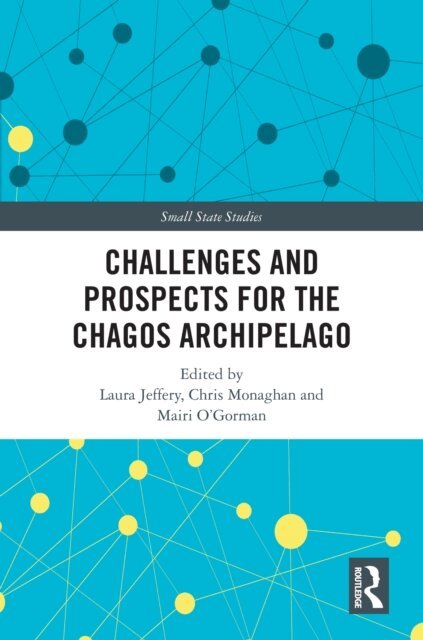
Challenges and Prospects for the Chagos Archipelago considers the origins, challenges and future of Chagos, bringing together leading experts and academics specialising in differing aspects of the Chagos dispute. In 1965, as part of negotiations leading to Mauritian independence in 1968, the UK government excised the Chagos Archipelago from the colony of Mauritius to form part of a new overseas territory, the British Indian Ocean Territory (BIOT). The UK then set about removing the population of the Chagos Islands in order to allow the United States to construct a military base. As a consequence of the UK's acquisition of the Chagos Islands and the expulsion of the Chagossian population, there has been wide ranging litigation brought by Mauritius and the Chagossians. This has reached the International Court of Justice, the United Nations General Assembly, the European Court of Human Rights and the UK Supreme Court. This book offers a wide-ranging debate between experts and practitioners, including those of Chagossian and Mauritian heritage, touching upon key developments and offering an inclusive approach that transcends traditional disciplinary silos. Issues such as international and constitutional law, human rights, colonialism and decolonisation, using creative writing to express the experience of banishment, international relations, environmentalism, and globalisation, will be explored as part of a dialogue that sheds new light on the Chagos dispute. Edited by experts on Chagos, the contributors are drawn from across the globe, and all have a distinctive take on what has happened, what it means for the world and the region, and how Chagos will both shape and be shaped by the future. This book will be of great interest to students, academics and researchers from across the humanities and social sciences, including political science, international relations, law, sociology, socio-legal studies, human rights, social anthropology, indigenous rights, history, colonialism, postcolonialism, and cultural studies, as well as practitioners, policymakers and general readers who are interested in Chagos.
E-bok
Engelska, 2024746 kr
Läs direkt efter köp
Challenges and Prospects for the Chagos Archipelago considers the origins, challenges and future of Chagos, bringing together leading experts and academics specialising in differing aspects of the Chagos dispute. In 1965, as part of negotiations leading to Mauritian independence in 1968, the UK government excised the Chagos Archipelago from the colony of Mauritius to form part of a new overseas territory, the British Indian Ocean Territory (BIOT). The UK then set about removing the population of the Chagos Islands in order to allow the United States to construct a military base. As a consequence of the UK's acquisition of the Chagos Islands and the expulsion of the Chagossian population, there has been wide ranging litigation brought by Mauritius and the Chagossians. This has reached the International Court of Justice, the United Nations General Assembly, the European Court of Human Rights and the UK Supreme Court. This book offers a wide-ranging debate between experts and practitioners, including those of Chagossian and Mauritian heritage, touching upon key developments and offering an inclusive approach that transcends traditional disciplinary silos. Issues such as international and constitutional law, human rights, colonialism and decolonisation, using creative writing to express the experience of banishment, international relations, environmentalism, and globalisation, will be explored as part of a dialogue that sheds new light on the Chagos dispute. Edited by experts on Chagos, the contributors are drawn from across the globe, and all have a distinctive take on what has happened, what it means for the world and the region, and how Chagos will both shape and be shaped by the future. This book will be of great interest to students, academics and researchers from across the humanities and social sciences, including political science, international relations, law, sociology, socio-legal studies, human rights, social anthropology, indigenous rights, history, colonialism, postcolonialism, and cultural studies, as well as practitioners, policymakers and general readers who are interested in Chagos.