Maja Schlüter – författare
Visar alla böcker från författaren Maja Schlüter. Handla med fri frakt och snabb leverans.
5 produkter
5 produkter
Inbunden, Engelska, 2021
3 229 kr
Skickas inom 10-15 vardagar
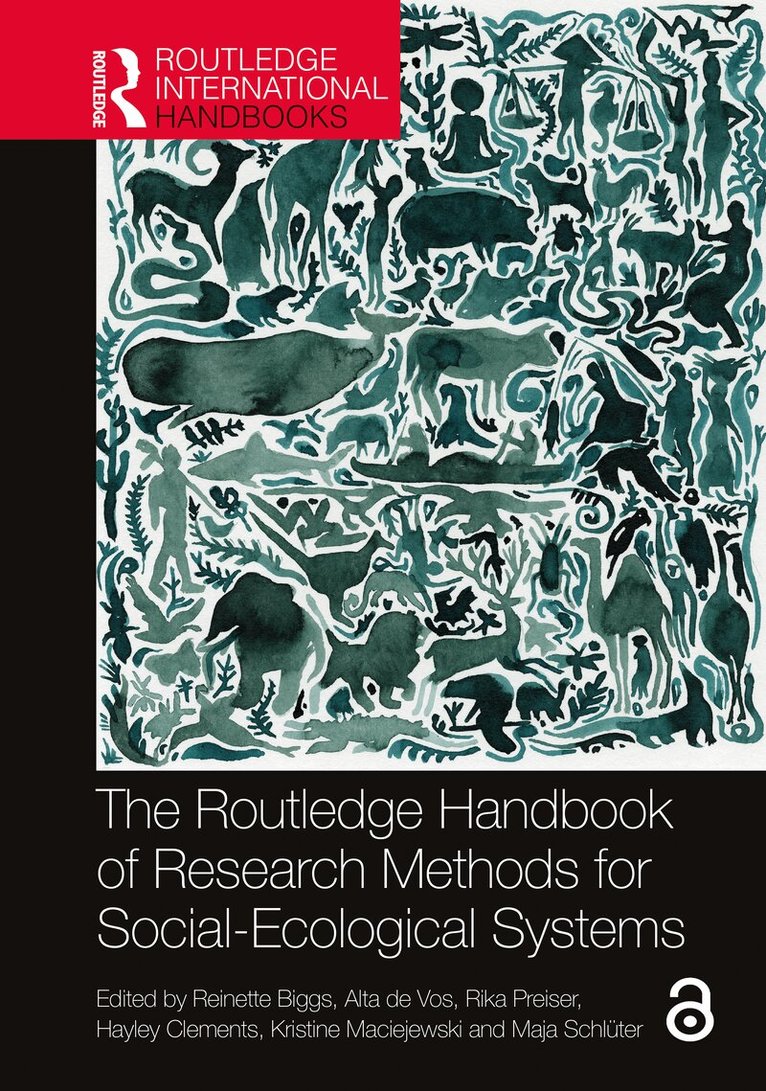
The Routledge Handbook of Research Methods for Social-Ecological Systems provides a synthetic guide to the range of methods that can be employed in social-ecological systems (SES) research. The book is primarily targeted at graduate students, lecturers and researchers working on SES, and has been written in a style that is accessible to readers entering the field from a variety of different disciplinary backgrounds. Each chapter discusses the types of SES questions to which the particular methods are suited and the potential resources and skills required for their implementation, and provides practical examples of the application of the methods. In addition, the book contains a conceptual and practical introduction to SES research, a discussion of key gaps and frontiers in SES research methods, and a glossary of key terms in SES research. Contributions from 97 different authors, situated at SES research hubs in 16 countries around the world, including South Africa, Sweden, Germany and Australia, bring a wealth of expertise and experience to this book.The first book to provide a guide and introduction specifically focused on methods for studying SES, this book will be of great interest to students and scholars of sustainability science, environmental management, global environmental change studies and environmental governance. The book will also be of interest to upper-level undergraduates and professionals working at the science–policy interface in the environmental arena.
Häftad, Engelska, 2023
665 kr
Skickas inom 10-15 vardagar
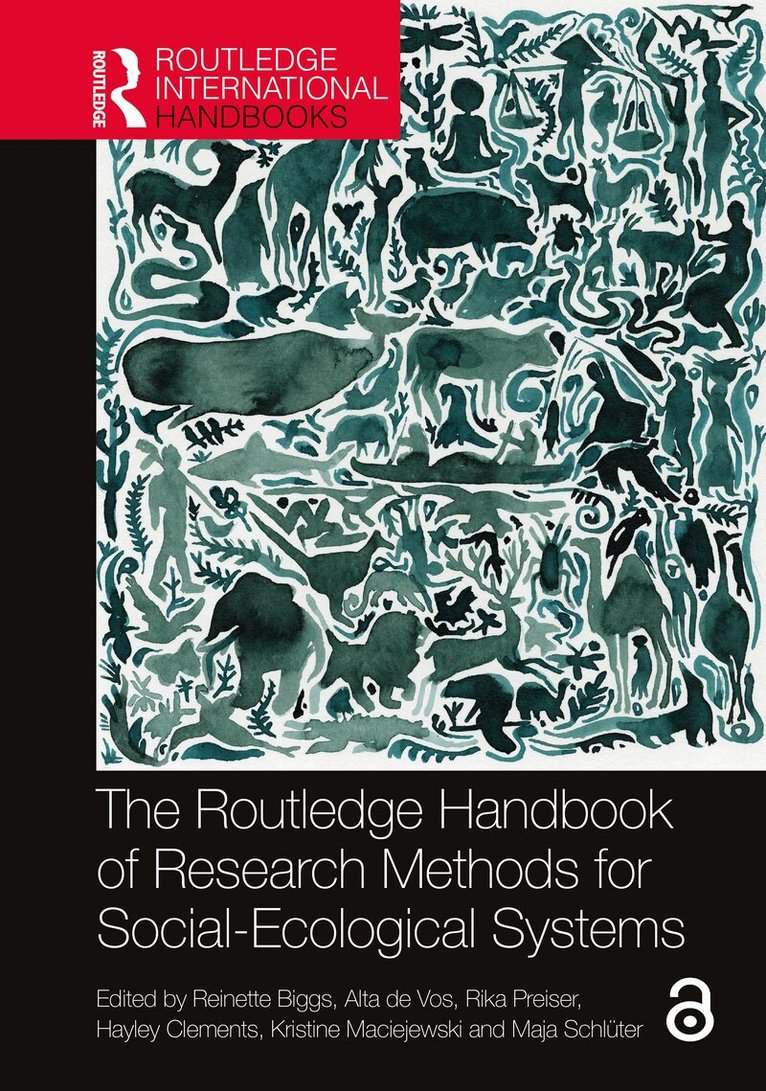
The Routledge Handbook of Research Methods for Social-Ecological Systems provides a synthetic guide to the range of methods that can be employed in social-ecological systems (SES) research. The book is primarily targeted at graduate students, lecturers and researchers working on SES, and has been written in a style that is accessible to readers entering the field from a variety of different disciplinary backgrounds. Each chapter discusses the types of SES questions to which the particular methods are suited and the potential resources and skills required for their implementation, and provides practical examples of the application of the methods. In addition, the book contains a conceptual and practical introduction to SES research, a discussion of key gaps and frontiers in SES research methods, and a glossary of key terms in SES research. Contributions from 97 different authors, situated at SES research hubs in 16 countries around the world, including South Africa, Sweden, Germany and Australia, bring a wealth of expertise and experience to this book.The first book to provide a guide and introduction specifically focused on methods for studying SES, this book will be of great interest to students and scholars of sustainability science, environmental management, global environmental change studies and environmental governance. The book will also be of interest to upper-level undergraduates and professionals working at the science–policy interface in the environmental arena.
E-bok
Engelska, 2015855 kr
Läs direkt efter köp
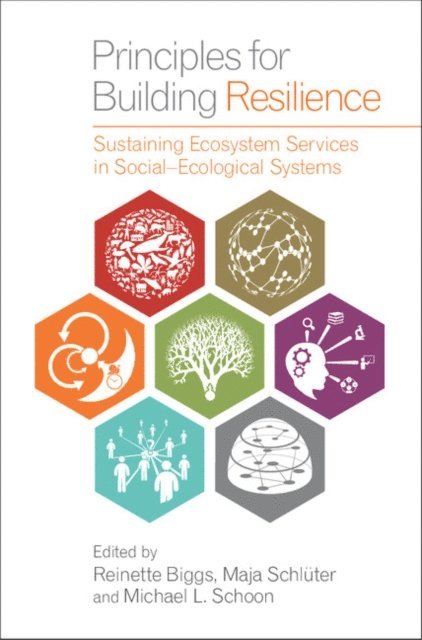
As both the societies and the world in which we live face increasingly rapid and turbulent changes, the concept of resilience has become an active and important research area. Reflecting the very latest research, this book provides a critical review of the ways in which resilience of social-ecological systems, and the ecosystem services they provide, can be enhanced. With contributions from leaders in the field, the chapters are structured around seven key principles for building resilience: maintain diversity and redundancy; manage connectivity; manage slow variables and feedbacks; foster complex adaptive systems thinking; encourage learning; broaden participation; and promote polycentric governance. The authors assess the evidence in support of these principles, discussing their practical application and outlining further research needs. Intended for researchers, practitioners and graduate students, this is an ideal resource for anyone working in resilience science and for those in the broader fields of sustainability science, environmental management and governance.
E-bok
PDF, Engelska, 2015855 kr
Läs direkt efter köp
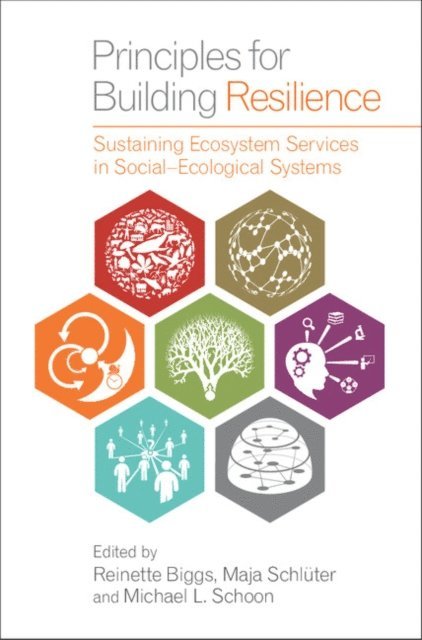
As both the societies and the world in which we live face increasingly rapid and turbulent changes, the concept of resilience has become an active and important research area. Reflecting the very latest research, this book provides a critical review of the ways in which resilience of social-ecological systems, and the ecosystem services they provide, can be enhanced. With contributions from leaders in the field, the chapters are structured around seven key principles for building resilience: maintain diversity and redundancy; manage connectivity; manage slow variables and feedbacks; foster complex adaptive systems thinking; encourage learning; broaden participation; and promote polycentric governance. The authors assess the evidence in support of these principles, discussing their practical application and outlining further research needs. Intended for researchers, practitioners and graduate students, this is an ideal resource for anyone working in resilience science and for those in the broader fields of sustainability science, environmental management and governance.
Häftad, Engelska, 2024
440 kr
Skickas inom 10-15 vardagar
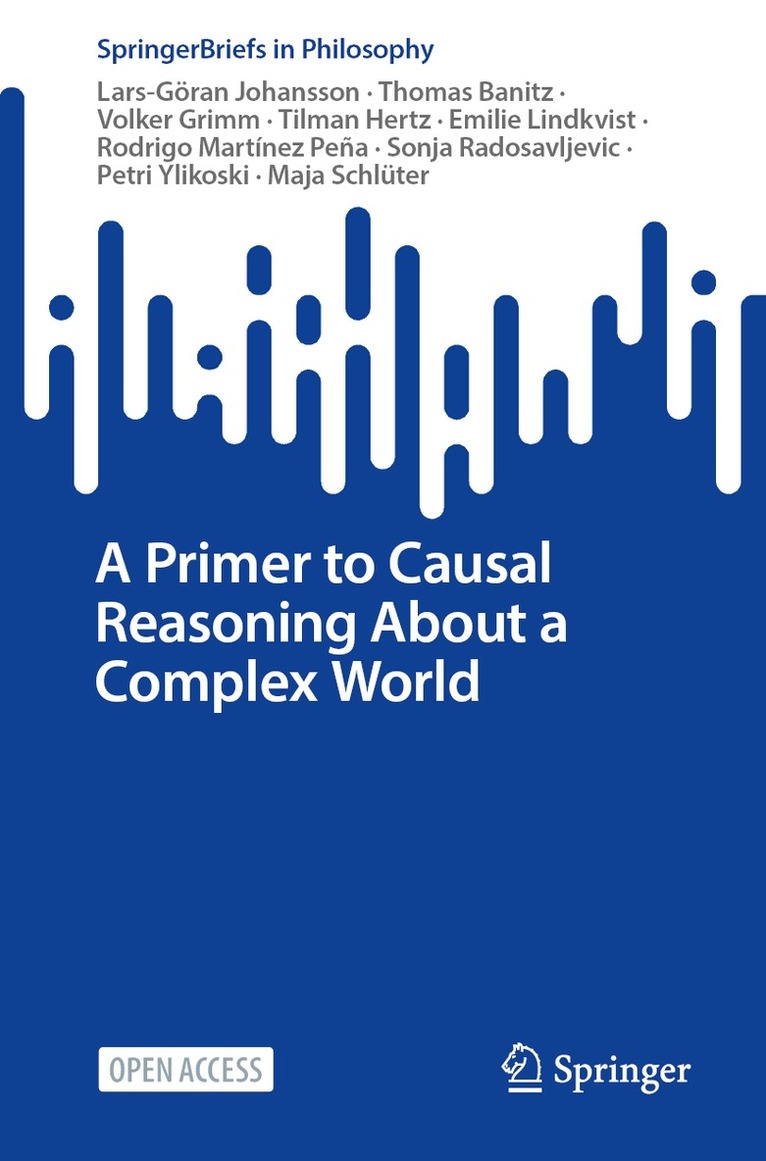
This open access book is about causal thinking and the use of causal language, with a focus on introducing philosophical ideas about causation to students and researchers of Social-Ecological Systems (SES). It takes a systematic approach to three central topics: the meanings of different causal expressions, sufficiency of evidence for inferences from observations to causal relations, and how to handle the complexity of causal relations in social-ecological systems. Consequently, the book is divided into three parts. In the first part the authors analyse and discuss the use of causal idiom in ordinary language, and in the second part they scrutinise the use of causal concepts and causal inference in science. Finally, the authors discuss causal reasoning about social-ecological systems in multi- and interdisciplinary contexts.This book provides an analysis of the concept of causation useful in the empirical sciences, where causal notions and idioms often are used without sufficient reflection. Empirical sciences often use causal idiom drawn from ordinary language, and similarly there is little formalisation of causal language and technical concepts in the humanities and social sciences. This book is a valuable resource for the application of current philosophical discussions about the concept of causation, in particular when applied to the analysis of social-ecological systems, but also when applied to research in the sciences and humanities.