Malgorzata Fidelis – författare
Visar alla böcker från författaren Malgorzata Fidelis. Handla med fri frakt och snabb leverans.
6 produkter
6 produkter
Inbunden, Engelska, 2022
681 kr
Skickas inom 5-8 vardagar
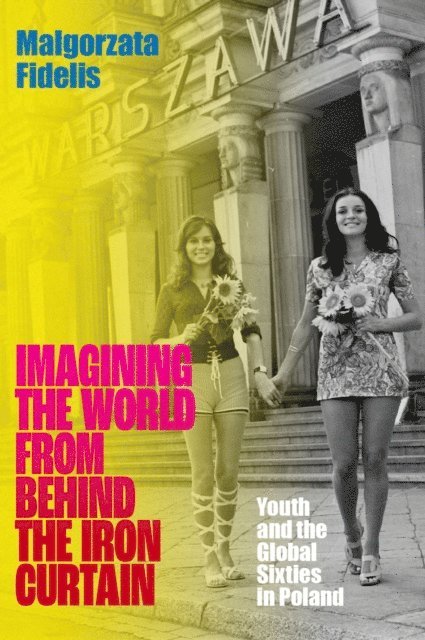
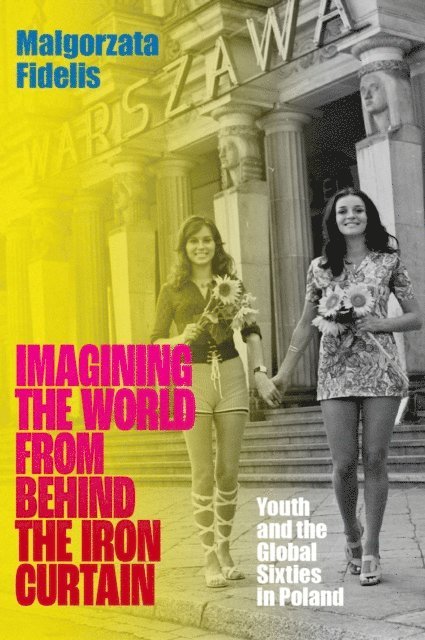
The Global Sixties are well known as a period of non-conformist lifestyles, experimentation with consumer products and technology, counterculture, and leftist politics. While the period has been well studied in the West and increasingly researched for the Global South, young people in the "Second World" too were active participants in these movements. The Iron Curtain was hardly a barrier against outside influences, and young people from students and hippies to mainstream youth in miniskirts and blue jeans saw themselves as part of the global community of like-minded people as well as citizens of Eastern Bloc countries. Drawing on Polish youth magazines, rural people's diaries, sex education manuals, and personal testimonies, Malgorzata Fidelis follows jazz lovers, university students, hippies, and young rural rebels. Fidelis colorfully narrates their everyday engagement with a dynamically changing world, from popular media and consumption to counterculture and protest movements. She delineates their anti-authoritarian solidarities and competing visions of transnationalism, with the West as well as the ruling communist regime. Even as youth demonstrations were violently suppressed, Fidelis shows, youth culture was not. By the early 1970s, the state incorporated elements of Sixties culture into their official vision of socialist modernity.From the perspective of youth, Malgorzata Fidelis argues, the post-1989 transition in Poland from communism to liberal democracy, often dubbed as "the return to Europe," was less of a breakthrough and more of a continuation of trends in which they participated. Indeed, they had already created new modes of self-expression and cultural spaces in which ideas of alternative social and political organization became imaginable.
E-bok
PDF, Engelska, 2022602 kr
Läs direkt efter köp
The Global Sixties are well known as a period of non-conformist lifestyles, experimentation with consumer products and technology, counterculture, and leftist politics. While the period has been well studied in the West and increasingly researched for the Global South, young people in the "Second World" too were active participants in these movements. The Iron Curtain was hardly a barrier against outside influences, and young people from students and hippies to mainstream youth in miniskirts and blue jeans saw themselves as part of the global community of like-minded people as well as citizens of Eastern Bloc countries. Drawing on Polish youth magazines, rural people''s diaries, sex education manuals, and personal testimonies, Malgorzata Fidelis follows jazz lovers, university students, hippies, and young rural rebels. Fidelis colorfully narrates their everyday engagement with a dynamically changing world, from popular media and consumption to counterculture and protest movements. She delineates their anti-authoritarian solidarities and competing visions of transnationalism, with the West as well as the ruling communist regime. Even as youth demonstrations were violently suppressed, Fidelis shows, youth culture was not. By the early 1970s, the state incorporated elements of Sixties culture into their official vision of socialist modernity.From the perspective of youth, Malgorzata Fidelis argues, the post-1989 transition in Poland from communism to liberal democracy, often dubbed as "the return to Europe," was less of a breakthrough and more of a continuation of trends in which they participated. Indeed, they had already created new modes of self-expression and cultural spaces in which ideas of alternative social and political organization became imaginable.
E-bok
Engelska, 2022602 kr
Läs direkt efter köp
The Global Sixties are well known as a period of non-conformist lifestyles, experimentation with consumer products and technology, counterculture, and leftist politics. While the period has been well studied in the West and increasingly researched for the Global South, young people in the "Second World" too were active participants in these movements. The Iron Curtain was hardly a barrier against outside influences, and young people from students and hippies to mainstream youth in miniskirts and blue jeans saw themselves as part of the global community of like-minded people as well as citizens of Eastern Bloc countries. Drawing on Polish youth magazines, rural people''s diaries, sex education manuals, and personal testimonies, Malgorzata Fidelis follows jazz lovers, university students, hippies, and young rural rebels. Fidelis colorfully narrates their everyday engagement with a dynamically changing world, from popular media and consumption to counterculture and protest movements. She delineates their anti-authoritarian solidarities and competing visions of transnationalism, with the West as well as the ruling communist regime. Even as youth demonstrations were violently suppressed, Fidelis shows, youth culture was not. By the early 1970s, the state incorporated elements of Sixties culture into their official vision of socialist modernity.From the perspective of youth, Malgorzata Fidelis argues, the post-1989 transition in Poland from communism to liberal democracy, often dubbed as "the return to Europe," was less of a breakthrough and more of a continuation of trends in which they participated. Indeed, they had already created new modes of self-expression and cultural spaces in which ideas of alternative social and political organization became imaginable.
Inbunden, Engelska, 2010
1 330 kr
Skickas inom 7-10 vardagar
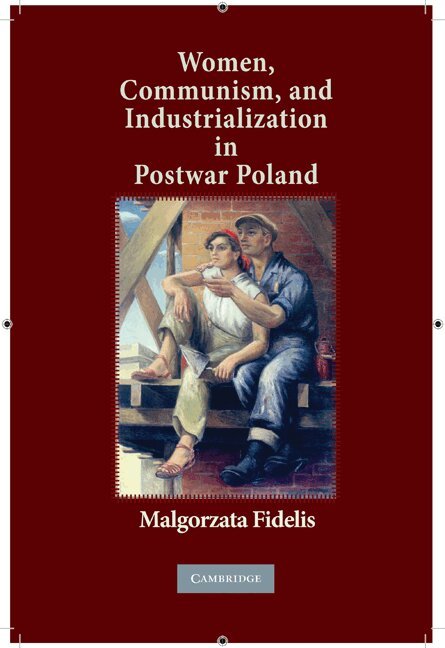
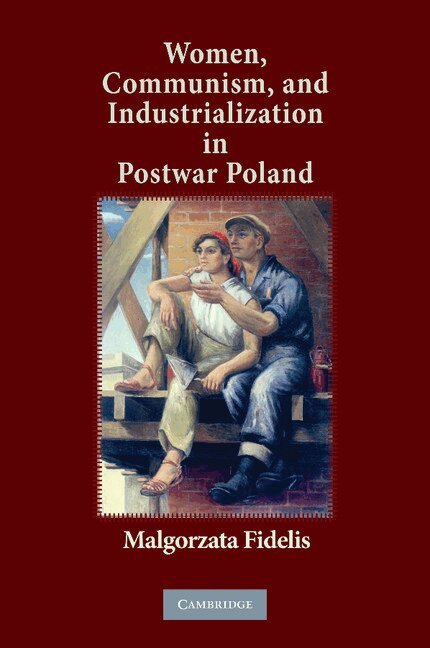
Conventional historical accounts of European communism tend to delegate women to the margins. By focusing on female industrial workers in postwar Poland, Malgorzata Fidelis demonstrates that women, in fact, were central to the making of communist society both as subjects of policies and ideology, and as powerful historical agents in their own right. This book uncovers a dynamic story of political contestation between state and society, in which ideas and practices of gender played a surprisingly pivotal role. Through fascinating material ranging from previously untapped party and secret police records to ordinary people's letters to the press and oral interviews, the book offers new insights on the social impact of war, struggles on the shop-floor, the challenges of incorporating village girls into fast-moving industrial society, the societal resistance against women entering male-dominated occupations, and finally the unexpected consequences of liberalization and reform.
Häftad, Engelska, 2014
595 kr
Skickas inom 7-10 vardagar
Conventional historical accounts of European communism tend to delegate women to the margins. By focusing on female industrial workers in postwar Poland, Malgorzata Fidelis demonstrates that women, in fact, were central to the making of communist society both as subjects of policies and ideology, and as powerful historical agents in their own right. This book uncovers a dynamic story of political contestation between state and society, in which ideas and practices of gender played a surprisingly pivotal role. Through fascinating material ranging from previously untapped party and secret police records to ordinary people's letters to the press and oral interviews, the book offers new insights on the social impact of war, struggles on the shop-floor, the challenges of incorporating village girls into fast-moving industrial society, the societal resistance against women entering male-dominated occupations, and finally the unexpected consequences of liberalization and reform.
Inbunden, Engelska, 2026
1 894 kr
Kommande
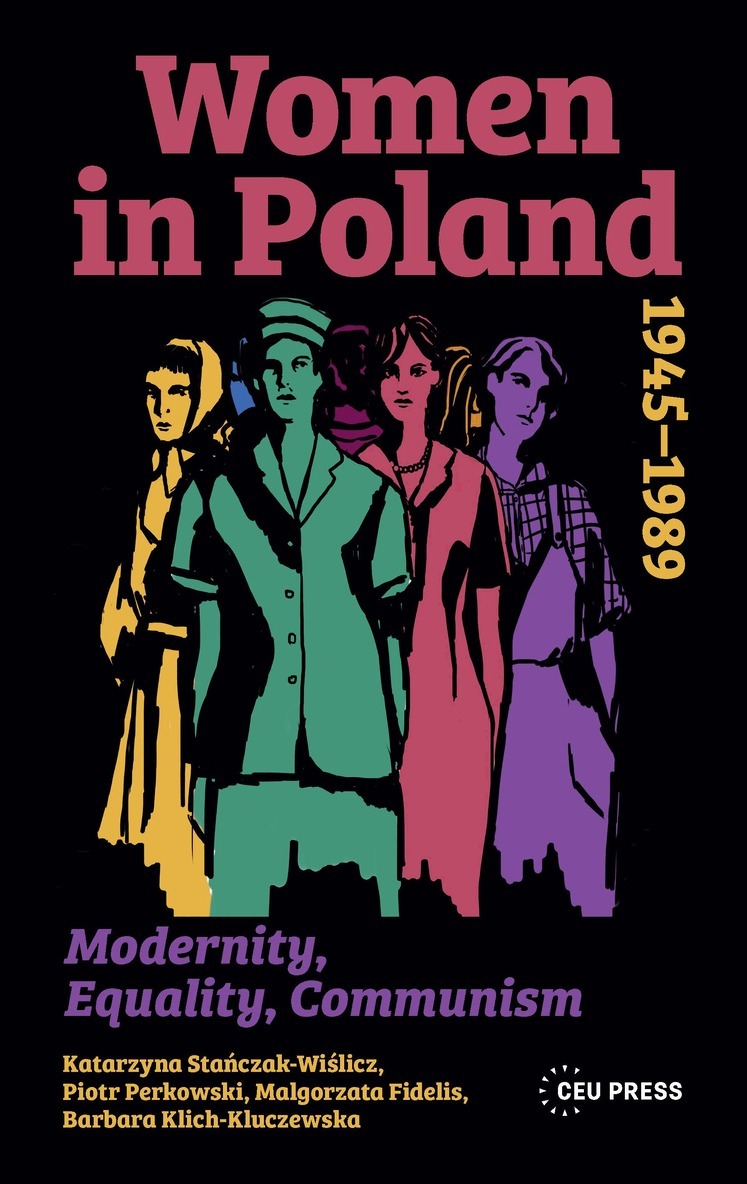
Women in Poland 1945–1989: Modernity, Equality, Communism offers a compelling and deeply researched exploration of women’s lives under state socialism in Poland. The book reveals how communist promises of emancipation intersected with everyday reality – shaping work, family life, political participation, and personal identity. It examines women’s political engagement, experiences of work in both urban factories and rural fields, the management of household and family life, childhood and education, as well as biopolitics and the evolving culture of beauty. Juxtaposing the Polish experience with developments across Europe in the second half of the twentieth century, this insightful study uncovers the ambitions, contradictions, and lived realities of communist projects directed at women.