Malte Hartig – författare
Visar alla böcker från författaren . Handla med fri frakt och snabb leverans.
3 produkter
3 produkter
Inbunden, Engelska, 2020
226 kr
Skickas
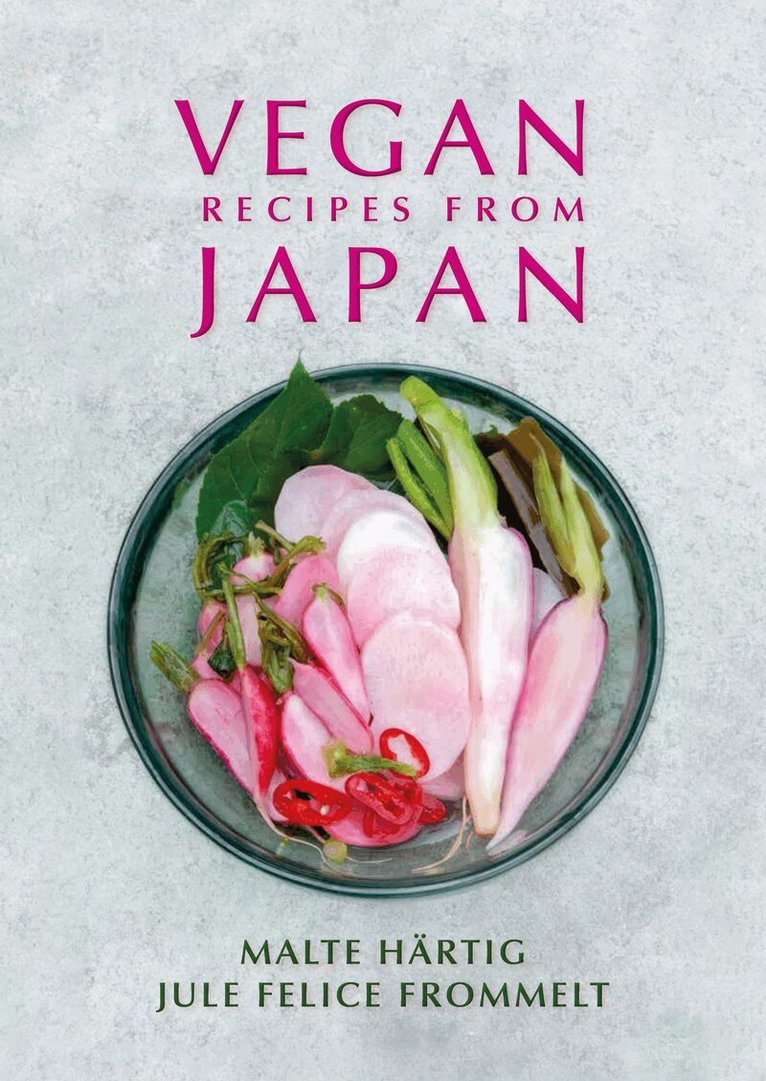
This is more than a cookbook of Japanese cuisine. Malte Hartig is an expert in Japanese Kaseki cuisine. Today the term is used for a special style of a light multi-course menu consisting of 7-10 different courses in a Japanese restaurant. It is a particularly light meal that is strictly vegetarian in accordance with its origin from the Zen philosophy. Particular care is taken in the selection of ingredients and prepared in such a way that their own taste is emphasized.The recipes are accordingly simple, but excellent in combination and taste. The vegetables are prepared according to the seasons from the garden or weekly market, with few ingredients. This cookbook combines local vegetables and fruits, rice and other cereals with Japanese ingredients such as miso, soy sauce, sake, the sweet wine mirin or the soup stock dashi and prepared using Japanese cooking techniques, such as tempura, Japanese-style barbecue way. They are simple and light, nourish body and soul and open up a new perspective on cooking and how we deal with food.The accompanying text illuminates the cultural background of the recipes and tells entertaining stories from the land of the rising sun. When a philosopher and trained chef team up with a gardener and food photographer, you can expect something special.
E-bok
Tyska, 201887 kr
Läs direkt efter köp
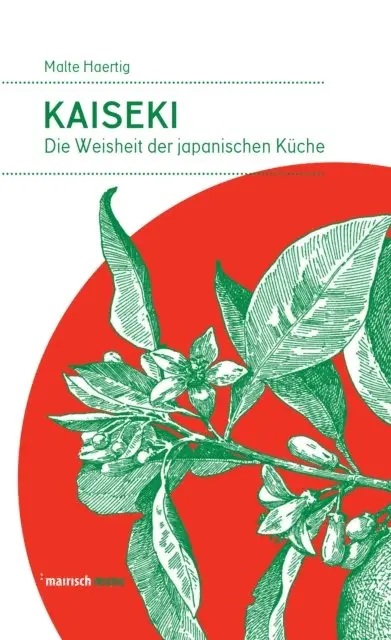
Warum schmecken die hübschen japanischen Wagashi-Süßigkeiten nach staubigem Zucker, warum haben die Teeschalen Dellen, warum schmeckt die Suppe nach nichts? Malte Härtig, Koch und Philosoph, steht vor einem Rätsel, als er zum ersten Mal Japans berühmte Hochküche Kaiseki probiert. Weder mit seinem westlichen Philosophieansatz noch mit seiner europäischen Kochausbildung kann er Kaiseki entschlüsseln. Doch dann findet er über den Zen-Buddhismus und die berühmte Teezeremonie einen Zugang: Einfachheit, Achtsamkeit, Ruhe, Konzentration auf Details – all diese Elemente der japanischen Philosophie finden sich in der Teezeremonie und im Kaiseki wieder. Und mit ihnen begegnet er grundlegenden Weisheiten und einer erfrischenden Haltung, nicht nur zum Essen, sondern auch zum Leben.Malte Härtig nimmt uns mit auf seine Reise und führt uns einmal durch ein komplettes Kaiseki-Menü und die Erfahrungen, die er damit gemacht hat. Das beginnt mit dem Tee selbst, führt über die Vorbereitungen des Gastgebers, das Wissen des Gastes und die Herstellung der Teeschale hin zu den verschiedenen Gerichten. Zu allen Elementen erfährt man Wissenswertes und Geschichten, die sich in der jahrtausendealten Tradition angesammelt haben: Warum ein Fisch namens Hamo etwa eine so große Rolle spielt, welche Besonderheiten der Anbau der Bambussprosse hat und was der Reis mit der japanischen Identität zu tun hat. Und man versteht, wieso Japan, die Mentalität seiner Bewohner und die Kaiseki-Küche in den letzten Jahren auch in Europa einen immer größeren Einfluss haben auf die Art, wie wir hier kochen und leben.
E-bok
Engelska, 2026112 kr
Läs direkt efter köp
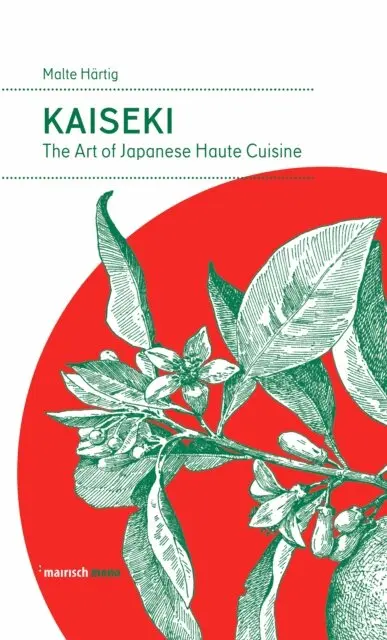
Simplicity, mindfulness, tranquility, attention to detail - all these elements of Japanese philosophy are nor only reflected in the famous tea ceremony but also in kaiseki cuisine. Why do the pretty Japanese wagashi sweets taste like dusty sugar, why do the tea bowls have dents, why does the soup taste like nothing? Malte Hartig, chef and philosopher, is puzzled when he tries Japan's famous haute cuisine kaiseki for the first time. Neither his Western philosophical approach nor his European culinary training can help him decipher kaiseki. But then he finds a way in through Zen Buddhism and the famous tea ceremony. And with them, he encounters fundamental wisdom and a refreshing attitude, not only towards food, but also towards life. Malte Hartig takes us on his journey and guides us through a complete kaiseki menu and the experiences he had with it. It begins with the tea itself, continues with the host's preparations, the guest's knowledge, and the making of the tea bowl, and ends with the various dishes. You learn interesting facts and stories about all the elements that have accumulated over thousands of years of tradition: why a fish called hamo plays such an important role, what is special about growing bamboo shoots, and what rice has to do with Japanese identity. And you understand why Japan, the mentality of its inhabitants, and kaiseki cuisine have become so popular in recent years.