Mandy Turner - Böcker
Visar alla böcker från författaren Mandy Turner. Handla med fri frakt och snabb leverans.
5 produkter
5 produkter
187 kr
Skickas inom 7-10 vardagar
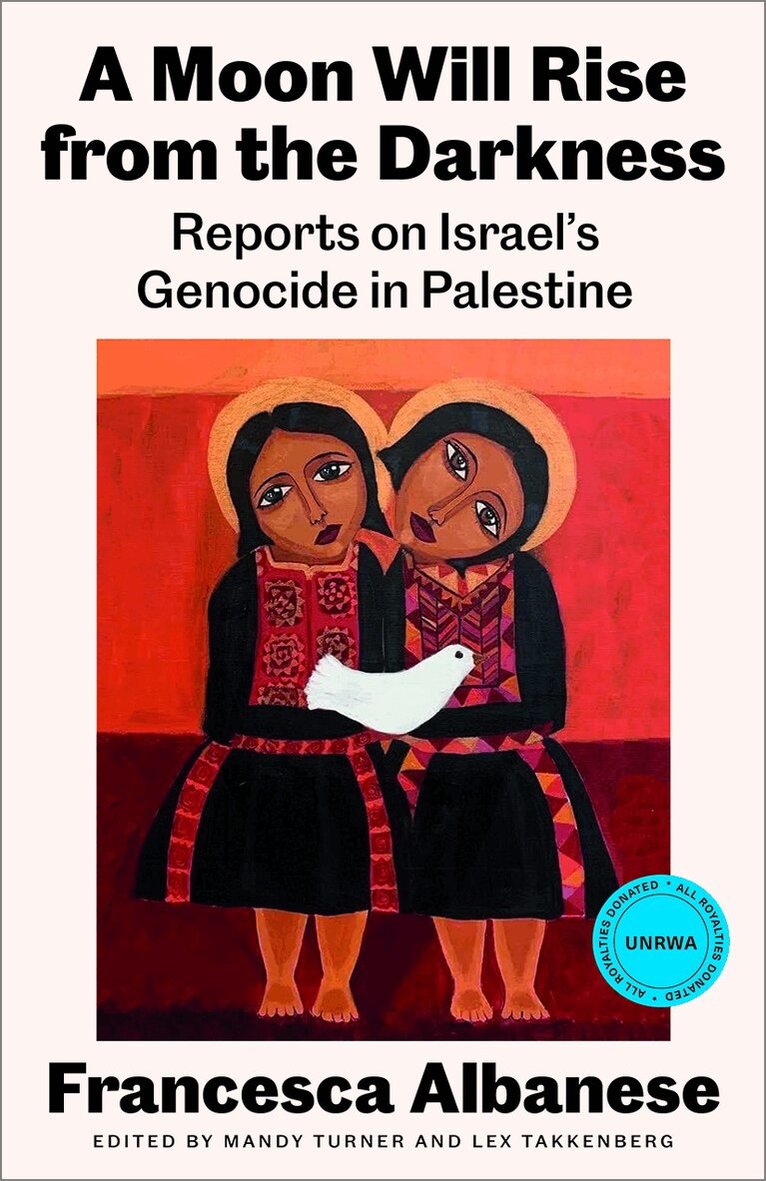
'Albanese is perhaps the one figure of our times that future historians will recall as the one who did the most to redeem our generation from its guilt over the genocide of the Palestinian people. Her reflections in this book are not just timely – they are for the ages' - Yanis VaroufakisIsrael’s genocide in Palestine and the complicity of powerful Western states is undermining international human rights and the UN system. The United States has imposed sanctions on lawyers, UN experts, and Palestinian officials in an attempt to bully and intimidate them into silence. One prominent example is UN special rapporteur Francesca Albanese, who has played an important role in documenting Israel’s atrocities and those who profit from its oppression of Palestinians.This book compiles Albanese’s indispensable and damning reports on Israel’s conduct in Palestine since October 2023. First outlining the case that this period should be understood as a genocide, Albanese goes on to explain how the ongoing violence fits into a longer history of Israel’s settler colonialism, and finally presents a devastating indictment against the international corporations that treat mass killing and destruction as a business opportunity.The volume also features a reflection by Albanese on the current state of affairs; revelations by her predecessors Richard Falk, John Dugard, and Michael Lynk of their experiences as UN special rapporteurs; and a preface by Lex Takkenberg, a 30-year veteran of UNRWA, co-authored with scholar Mandy Turner.The ebook is free to download from www.plutobooks.com indefinitely, with a request for a donation to the Palestinian refugee agency, UNRWA.All royalties from sales of the book will be donated to UNRWA.
674 kr
Skickas inom 10-15 vardagar
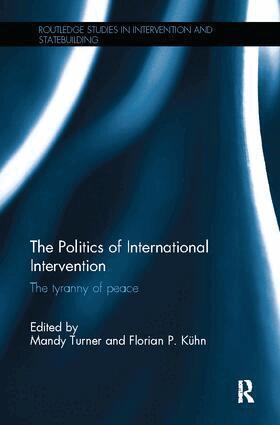
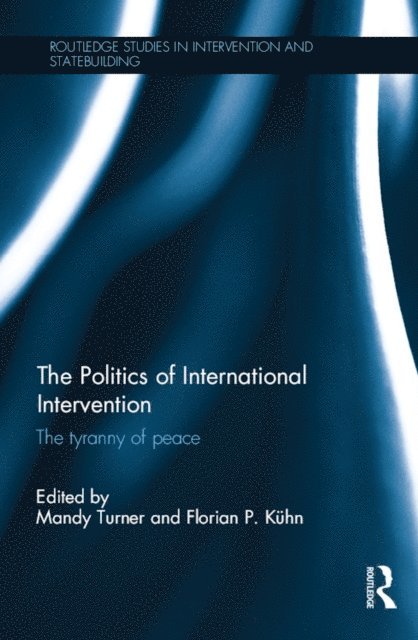
This book critically explores the practices of peacebuilding, and the politics of the communities experiencing intervention.The contributions to this volume have a dual focus. First, they analyse the practices of western intervention and peacebuilding, and the prejudices and politics that drive them. Second, they explore how communities experience and deal with this intervention, as well as an understanding of how their political and economic priorities can often diverge markedly from those of the intervener. This is achieved through theoretical and thematic chapters, and an extensive number of in-depth empirical case studies. Utilising a variety of conceptual frameworks and disciplines, the book seeks to understand why something so normatively desirable – the pursuit of, and building of, peace – has turned out so badly. From Cambodia to Afghanistan, Iraq to Mali, interventions in the pursuit of peace have not achieved the results desired by the interveners. But, rather, they have created further instability and violence. The contributors to this book explore why.This book will be of much interest to students, academics and practitioners of peacebuilding, peacekeeping, international intervention, statebuilding, security studies and IR in general.
2 233 kr
Skickas inom 10-15 vardagar
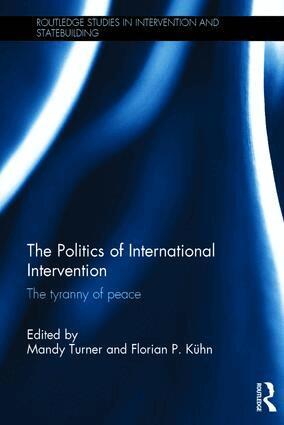
This book critically explores the practices of peacebuilding, and the politics of the communities experiencing intervention.The contributions to this volume have a dual focus. First, they analyse the practices of western intervention and peacebuilding, and the prejudices and politics that drive them. Second, they explore how communities experience and deal with this intervention, as well as an understanding of how their political and economic priorities can often diverge markedly from those of the intervener. This is achieved through theoretical and thematic chapters, and an extensive number of in-depth empirical case studies. Utilising a variety of conceptual frameworks and disciplines, the book seeks to understand why something so normatively desirable – the pursuit of, and building of, peace – has turned out so badly. From Cambodia to Afghanistan, Iraq to Mali, interventions in the pursuit of peace have not achieved the results desired by the interveners. But, rather, they have created further instability and violence. The contributors to this book explore why.This book will be of much interest to students, academics and practitioners of peacebuilding, peacekeeping, international intervention, statebuilding, security studies and IR in general.
1 476 kr
Skickas inom 10-15 vardagar
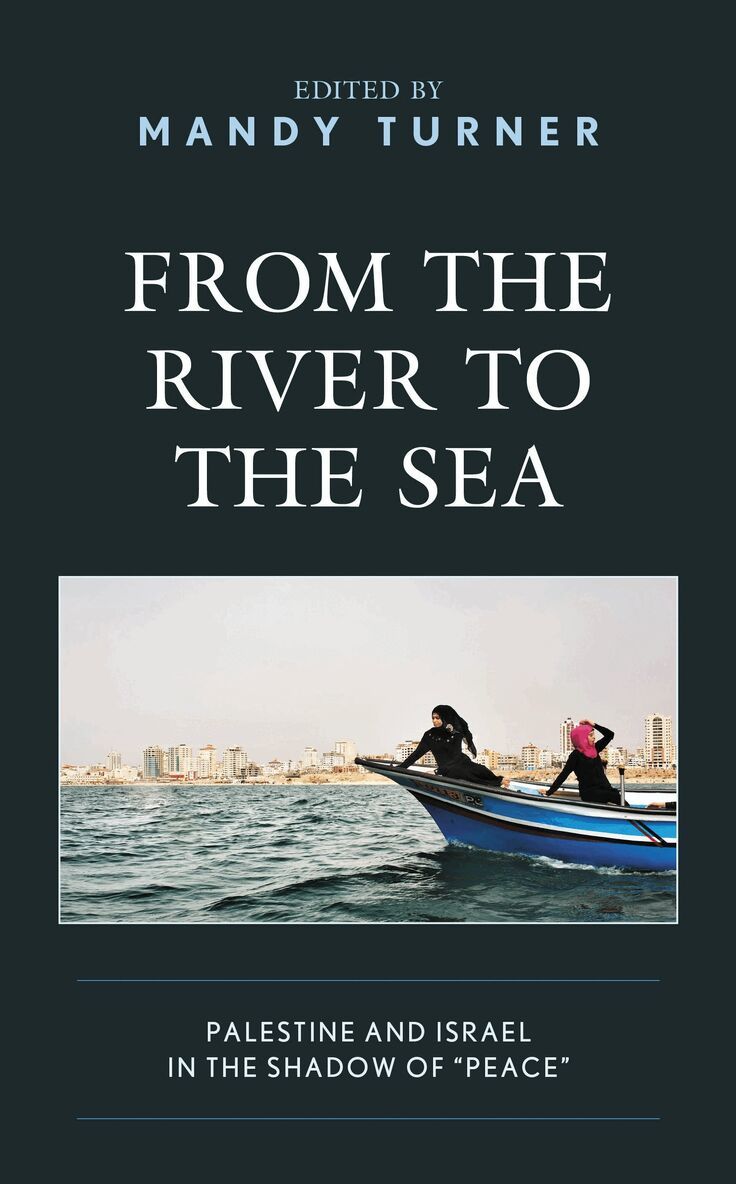
From the River to the Sea: Palestine and Israel in the Shadow of ‘Peace’ provides original analyses of how different coping strategies were developed as well as new forms of political expression, interaction, and mobilization since the 1993 peace deal between the Palestine Liberation Organization and Israel. Its premise is that an historical realism is essential in order to develop a route out of the post-Oslo impasse that extended and solidified the power imbalance under the auspices of ‘peace’. The book includes chapters from experts across the disciplines of anthropology, economics, law, political science and sociology to map out and critically assess the impacts and responses to this ‘peace’ in different geographical and political settings. These innovative analyses also investigate processes that might enable a future to be built based on greater equality and an end to the oppression and violence that currently exists between the Jordan River and the Mediterranean Sea (and beyond).
488 kr
Skickas inom 10-15 vardagar
From the River to the Sea: Palestine and Israel in the Shadow of ‘Peace’ provides original analyses of how different coping strategies were developed as well as new forms of political expression, interaction, and mobilization since the 1993 peace deal between the Palestine Liberation Organization and Israel. Its premise is that an historical realism is essential in order to develop a route out of the post-Oslo impasse that extended and solidified the power imbalance under the auspices of ‘peace’. The book includes chapters from experts across the disciplines of anthropology, economics, law, political science and sociology to map out and critically assess the impacts and responses to this ‘peace’ in different geographical and political settings. These innovative analyses also investigate processes that might enable a future to be built based on greater equality and an end to the oppression and violence that currently exists between the Jordan River and the Mediterranean Sea (and beyond).