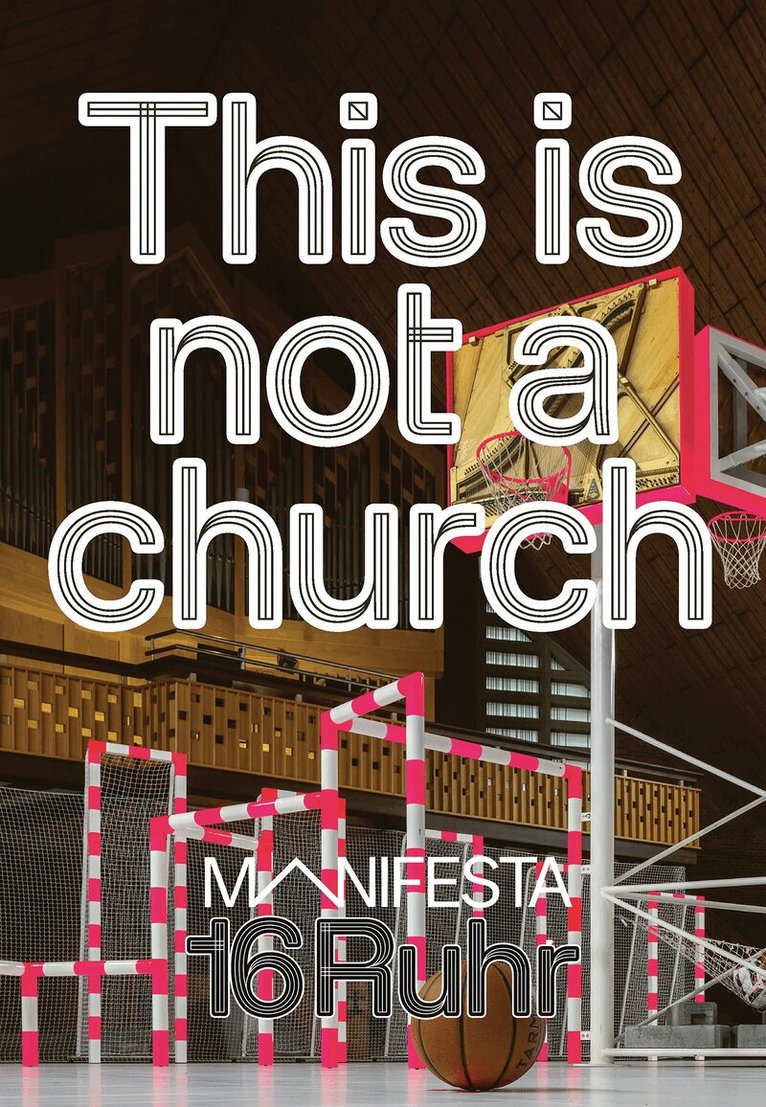
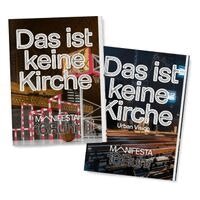
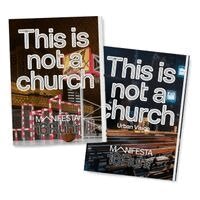
Since its first edition in 1996, Manifesta has moved to a new European city or region every two years. This year’s edition of the nomadic biennial will take place in four cities in the Ruhr Area: Duisburg, Essen, Gelsenkirchen and Bochum. Beyond contemporary art, Manifesta addresses architecture, education, ecology, societal issues and the local community. Each edition explores urgent social and political topics in Europe, drawing on the unique context of its host city or region. In doing so, local challenges are linked to broader regional concerns. Against this backdrop, Manifesta 16 Ruhr addresses the issue of repurposing vacant or deconsecrated church buildings — a pressing problem in the Ruhr Area and throughout Europe. The goal is to transform the twelve church buildings serving as venues into accessible, non-commercial spaces. Through art, performance, sound, sports, community kitchens and architectural interventions, spaces and moments are created that impact the surrounding neighbourhoods, shaping the buildings’ social role beyond the biennial.
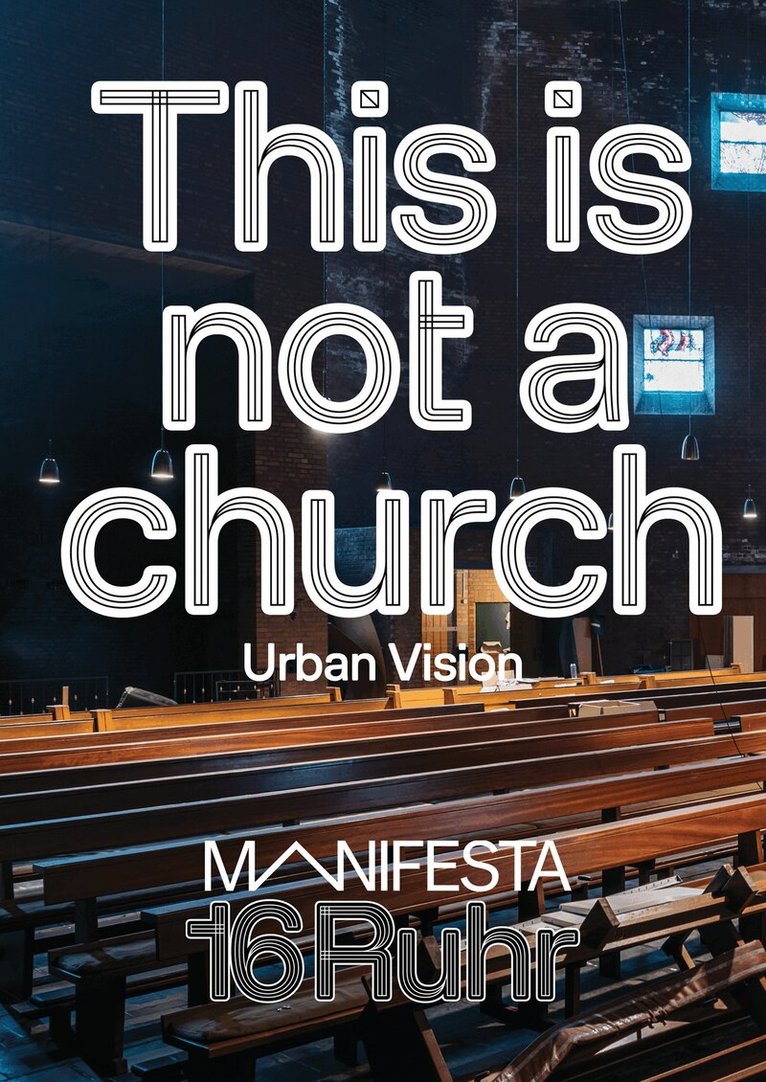
When the Ruhr Area invited Manifesta to develop its sixteenth edition, the focus was not on an exhibition theme, but rather on a societal transformation quietly unfolding across Germany and much of Europe: the gradual disappearance of churches as central institutions in neighbourhood life. In collaboration with architect and urbanist Josep Bohigas and a network of researchers, institutions, and community leaders, Manifesta began an extensive pre-biennial research project to examine the relationship between churches and their surrounding neighbourhoods. Hundreds of sites were visited and mapped. Citizen consultations and expectation workshops invited residents to reflect on the kinds of shared spaces they and their communities need today. This publication presents the Urban Vision that emerged from this research. Rather than offering a fixed architectural blueprint, the ‘vision’ proposes a framework for rethinking churches as neighbourhood infrastructures for the twenty-first century. It explores how these buildings might once again become spaces for encounter, dialogue, and care while acknowledging their complex histories and sensitivities.