Manmohan Agarwal – författare
Visar alla böcker från författaren Manmohan Agarwal. Handla med fri frakt och snabb leverans.
11 produkter
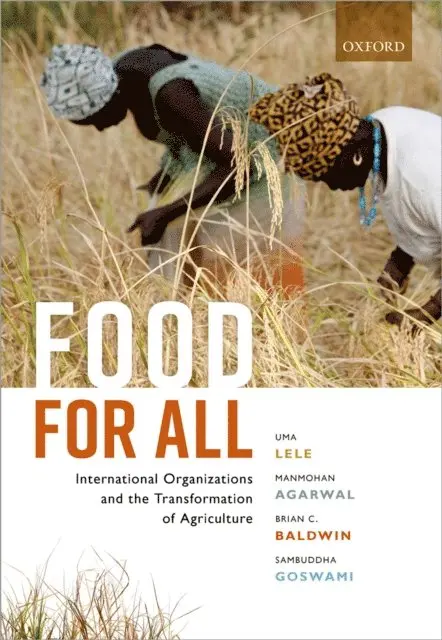
Food for All
International Organizations and the Transformation of Agriculture
Av Sambuddha Goswami, Brian C. Baldwin m. fl.
E-bok, 2021
57 kr
Lägg i varukorg
Many developing countries are falling behind sustainable development goals: food and nutrition levels have deteriorated due to conflict, climate change, and the Covid pandemic, while global ambitions for achieving sustainable food security and adequate nutrition have increased. But what are the …
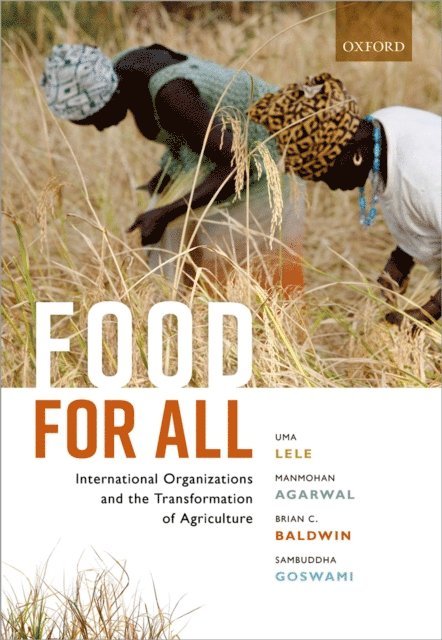
Food for All
International Organizations and the Transformation of Agriculture
Av Sambuddha Goswami, Brian C. Baldwin m. fl.
E-bok, 2021
56 kr
Lägg i varukorg
Many developing countries are falling behind sustainable development goals: food and nutrition levels have deteriorated due to conflict, climate change, and the Covid pandemic, while global ambitions for achieving sustainable food security and adequate nutrition have increased. But what are the …
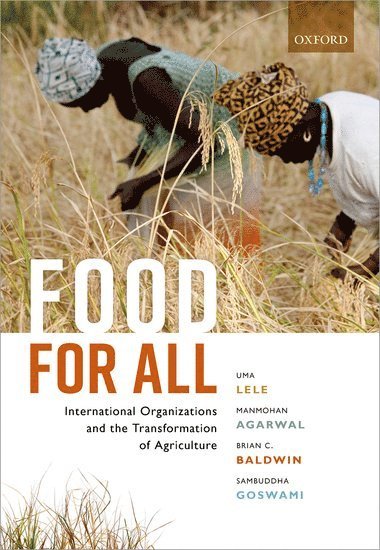
Food for All
International Organizations and the Transformation of Agriculture
Av Uma Lele, Manmohan Agarwal m. fl.
Inbunden, 2021
2320 kr
Lägg i varukorg
Many developing countries are falling behind sustainable development goals: food and nutrition levels have deteriorated due to conflict, climate change, and the Covid pandemic, while global ambitions for achieving sustainable food security and adequate nutrition have increased. But what are the …
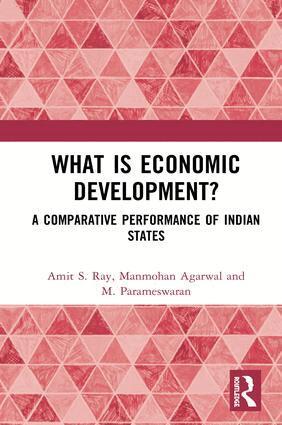
What is Economic Development?
A Comparative Performance of Indian States
Av Amit S. Ray, Manmohan Agarwal m. fl.
Inbunden, 2019
2578 kr
Lägg i varukorg
Development performance is not merely economic growth and prosperity, but includes a multitude of goals. This monograph makes an attempt to conceptualize development, consisting of eight dimensions – material prosperity, education, health, economic security, personal security, environmental …
What is Economic Development?
A Comparative Performance of Indian States
Av M. Parameswaran, Manmohan Agarwal m. fl.
E-bok, 2019
838 kr
Lägg i varukorg
Development performance is not merely economic growth and prosperity, but includes a multitude of goals. This monograph makes an attempt to conceptualize development, consisting of eight dimensions – material prosperity, education, health, economic security, personal security, environmental …
What is Economic Development?
A Comparative Performance of Indian States
Av M. Parameswaran, Manmohan Agarwal m. fl.
E-bok, 2019
796 kr
Lägg i varukorg
Development performance is not merely economic growth and prosperity, but includes a multitude of goals. This monograph makes an attempt to conceptualize development, consisting of eight dimensions – material prosperity, education, health, economic security, personal security, environmental …
What is Economic Development?
A Comparative Performance of Indian States
Av Amit S. Ray, Manmohan Agarwal m. fl.
Häftad, 2024
693 kr
Lägg i varukorg
Development performance is not merely economic growth and prosperity, but includes a multitude of goals. This monograph makes an attempt to conceptualize development, consisting of eight dimensions – material prosperity, education, health, economic security, personal security, environmental …
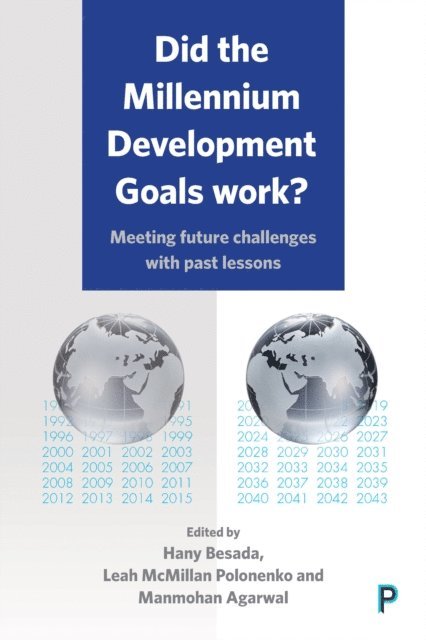
Did the Millennium Development Goals Work?
Meeting Future Challenges with Past Lessons
Av Hany Besada, Leah McMillan Polonenko m. fl.
Inbunden, 2017
1354 kr
Lägg i varukorg
With the target date for the Millennium Development Goals (MDGs) behind us, this book asks did they work? And what happens next? Arguing that to effectively look forward, we must first look back, the editors of this insightful book gather leading scholars and practitioners from a range of …
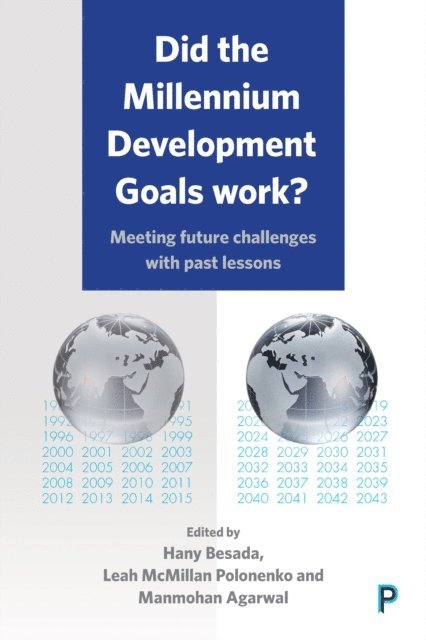
Did the Millennium Development Goals Work?
Meeting Future Challenges with Past Lessons
Av Manmohan Agarwal, Leah McMillan Polonenko m. fl.
E-bok, 2017
514 kr
Lägg i varukorg
With the target date for the Millennium Development Goals (MDGs) behind us, this book asks did they work? And what happens next? Arguing that to effectively look forward, we must first look back, the editors of this insightful book gather leading scholars and practitioners from a range of …
Did the Millennium Development Goals Work?
Meeting Future Challenges with Past Lessons
Av Manmohan Agarwal, Leah McMillan Polonenko m. fl.
E-bok, 2017
503 kr
Lägg i varukorg
With the target date for the Millennium Development Goals (MDGs) behind us, this book asks did they work? And what happens next? Arguing that to effectively look forward, we must first look back, the editors of this insightful book gather leading scholars and practitioners from a range of …
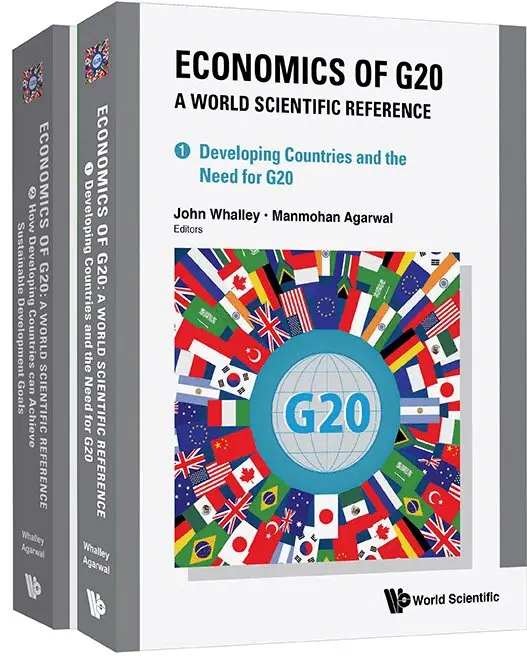
ECONOMICS OF G20: A WORLD SCIENTIFIC REFERENCE (IN 2 VOLUMES)
Av WHALLEY JOHN, John Whalley m. fl.
Inbunden, 2020
5989 kr
Lägg i varukorg
The G20 (or Group of Twenty) is an international body established to manage the global economy, and includes members from developing economies.This reference set examines the issues facing developing countries and studies the role that the G20 can play in light of continuing challenges and …