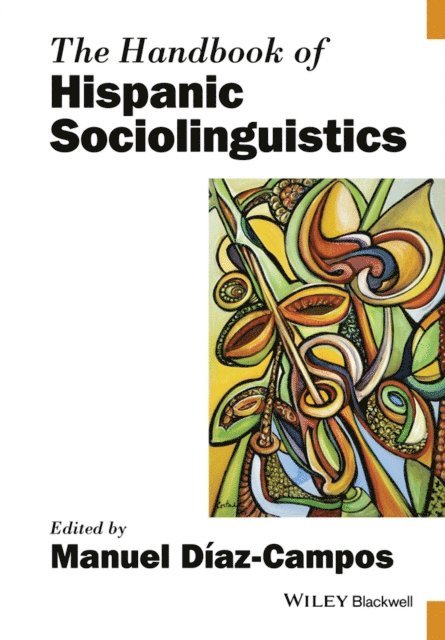
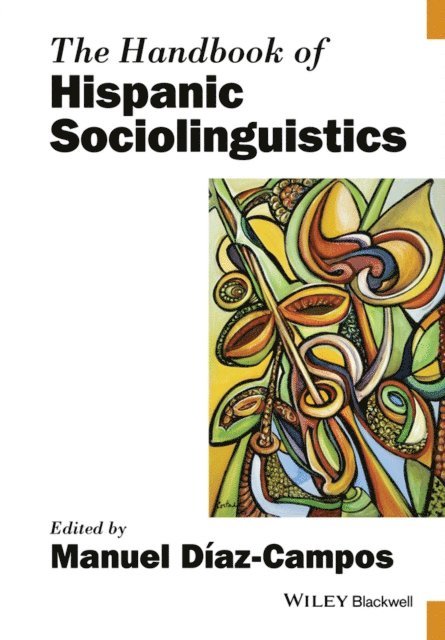
Manuel D az-Campos – författare
723 kr
Läs direkt efter köp
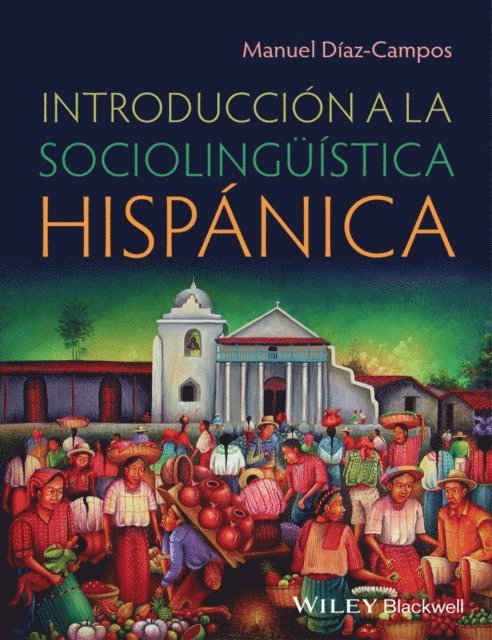
Introducción a la Sociolingüística Hispánica es un libro de texto imprescindible para los estudiantes de pregrado que cursan sociolingüística hispánica. Cada capítulo está redactado en un lenguaje sencillo y accesible. Sobre la base de un enfoque pedagógico, cada capítulo incluye una introducción, una lista de los temas a ser discutidos, el desarrollo de tales temas, un resumen, una lista de términos claves, un glosario de la terminología clave, una sección de ejercicios y preguntas de comprensión al final de cada sección temática de cada capítulo.
Provee una introducción actualizada sobre los temas más relevantes de la versátil sociolingüística española contemporánea tales como la variación fonológica, el bilingüismo, la lengua y las leyes, las actitudes lingüísticas, entre otros Incluye una variedad de actividades para apoyar y extender el aprendizaje de los estudiantes Ofrece un enfoque pedagógico único que incluye ejercicios de análisis de datos. Estas actividades estimulan la investigación por parte de los estudiantes a través del uso de las bases de datos, la música popular y otros recursos audiovisuales El libro incluye ejemplos de las variedades de español habladas en el mundo hispanohablante con secciones especiales dedicadas a las variedades habladas en los EEUU
Introducción a la Sociolingüística Hispánica is a much-needed undergraduate introduction to the study of sociolinguistics in the Spanish-speaking world. Written in accessible Spanish, each chapter includes an overview, a review of topics, a section of key terms, exercises and questions.
Provides up-to-date coverage of the main topics of sociolinguistics – such as phonological variation, bilingualism, and language attitudes – in relation to the Hispanic world Incorporates a variety of activities to support and extend student’s learning Offers a unique pedagogical approach, in which data analysis exercises encourage students to conduct research by using electronic databases, popular music, and audiovisual material Features examples that apply to Spanish varieties spoken around the world, with special sections dedicated to the Spanish varieties of the US1 477 kr
Läs direkt efter köp
Introducción a la Sociolingüística Hispánica es un libro de texto imprescindible para los estudiantes de pregrado que cursan sociolingüística hispánica. Cada capítulo está redactado en un lenguaje sencillo y accesible. Sobre la base de un enfoque pedagógico, cada capítulo incluye una introducción, una lista de los temas a ser discutidos, el desarrollo de tales temas, un resumen, una lista de términos claves, un glosario de la terminología clave, una sección de ejercicios y preguntas de comprensión al final de cada sección temática de cada capítulo.
Provee una introducción actualizada sobre los temas más relevantes de la versátil sociolingüística española contemporánea tales como la variación fonológica, el bilingüismo, la lengua y las leyes, las actitudes lingüísticas, entre otros Incluye una variedad de actividades para apoyar y extender el aprendizaje de los estudiantes Ofrece un enfoque pedagógico único que incluye ejercicios de análisis de datos. Estas actividades estimulan la investigación por parte de los estudiantes a través del uso de las bases de datos, la música popular y otros recursos audiovisuales El libro incluye ejemplos de las variedades de español habladas en el mundo hispanohablante con secciones especiales dedicadas a las variedades habladas en los EEUU
Introducción a la Sociolingüística Hispánica is a much-needed undergraduate introduction to the study of sociolinguistics in the Spanish-speaking world. Written in accessible Spanish, each chapter includes an overview, a review of topics, a section of key terms, exercises and questions.
Provides up-to-date coverage of the main topics of sociolinguistics – such as phonological variation, bilingualism, and language attitudes – in relation to the Hispanic world Incorporates a variety of activities to support and extend student’s learning Offers a unique pedagogical approach, in which data analysis exercises encourage students to conduct research by using electronic databases, popular music, and audiovisual material Features examples that apply to Spanish varieties spoken around the world, with special sections dedicated to the Spanish varieties of the US801 kr
Läs direkt efter köp
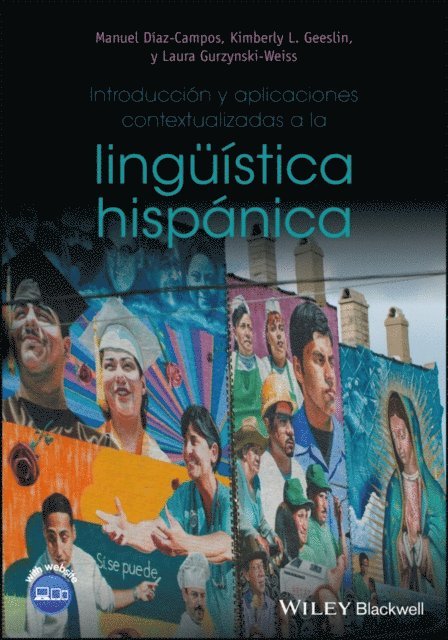
Introducción y aplicaciones contextualizadas a la lingüística hispánica provides a contemporary introduction to the study of Spanish, helping students apply linguistics analysis to the study of language. It encourages the reader to analyze language in action and understand how linguistic components interact to convey conceptual and social meaning.
A contemporary introduction to the study of Spanish that encourages both Spanish and semi-proficient non-native Spanish speaking students to see language in action and understand how linguistic components interact to convey conceptual and social meaning Addresses the core sub-fields of linguistics (phonetics, phonology, morphology, syntax, semantics, and pragmatics) as they relate to the study of the Spanish language Uses second language acquisition as a foundation upon which linguistic analysis can be built Supplementary companion website includes exercises, comprehension questions, cutting-edge research highlights, lists of key terms, and analytical mini-projects designed to help the user and encourage students to apply learned theoretical knowledge to real-world language use contexts Instructors will also have access to a sample 16-week semester syllabus and corresponding task-based lesson plans (in PowerPoint format) as well as assignments which they can edit for use in their own learning context.801 kr
Läs direkt efter köp
Introducción y aplicaciones contextualizadas a la lingüística hispánica provides a contemporary introduction to the study of Spanish, helping students apply linguistics analysis to the study of language. It encourages the reader to analyze language in action and understand how linguistic components interact to convey conceptual and social meaning.
A contemporary introduction to the study of Spanish that encourages both Spanish and semi-proficient non-native Spanish speaking students to see language in action and understand how linguistic components interact to convey conceptual and social meaning Addresses the core sub-fields of linguistics (phonetics, phonology, morphology, syntax, semantics, and pragmatics) as they relate to the study of the Spanish language Uses second language acquisition as a foundation upon which linguistic analysis can be built Supplementary companion website includes exercises, comprehension questions, cutting-edge research highlights, lists of key terms, and analytical mini-projects designed to help the user and encourage students to apply learned theoretical knowledge to real-world language use contexts Instructors will also have access to a sample 16-week semester syllabus and corresponding task-based lesson plans (in PowerPoint format) as well as assignments which they can edit for use in their own learning context.2 342 kr
Läs direkt efter köp
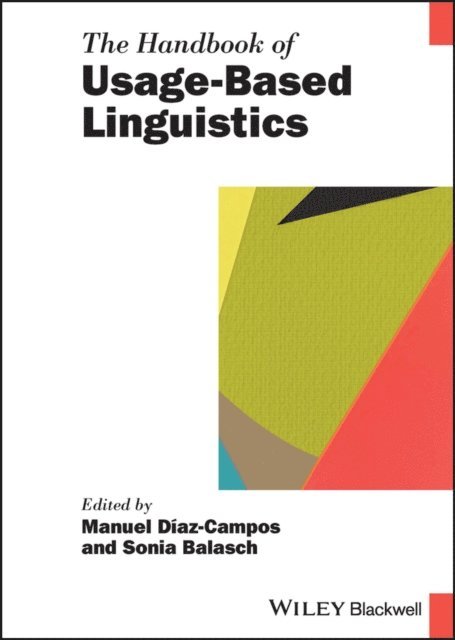
The Handbook of Usage-Based Linguistics is the first edited volume to provide a comprehensive, authoritative, and interdisciplinary view of usage-based theory in linguistics. Contributions by an international team of established and emerging scholars discuss the application of used-based approaches in phonology, morphosyntax, psycholinguistics, language variation and change, language development, cognitive linguistics, and other subfields of linguistics.
Unprecedented in depth and scope, this groundbreaking work of scholarship addresses all major theoretical and methodological aspects of usage-based linguistics while offering diverse perspectives and key insights into theory, history, and methodology. Throughout the text, in-depth essays explore up-to-date methodologies, emerging approaches, new technologies, and cutting-edge research in usage-based linguistics in many languages and subdisciplines. Topics include used-based approaches to subfields such as anthropological linguistics, computational linguistics, statistical analysis, and corpus linguistics.
Covering the conceptual foundations, historical development, and future directions of usage-based theory, The Handbook of Usage-Based Linguistics is a must-have reference work for advanced students and scholars in anthropological linguistics, psycholinguistics, cognitive linguistics, corpora analysis, and other subfields of linguistics.
2 342 kr
Läs direkt efter köp
The Handbook of Usage-Based Linguistics is the first edited volume to provide a comprehensive, authoritative, and interdisciplinary view of usage-based theory in linguistics. Contributions by an international team of established and emerging scholars discuss the application of used-based approaches in phonology, morphosyntax, psycholinguistics, language variation and change, language development, cognitive linguistics, and other subfields of linguistics.
Unprecedented in depth and scope, this groundbreaking work of scholarship addresses all major theoretical and methodological aspects of usage-based linguistics while offering diverse perspectives and key insights into theory, history, and methodology. Throughout the text, in-depth essays explore up-to-date methodologies, emerging approaches, new technologies, and cutting-edge research in usage-based linguistics in many languages and subdisciplines. Topics include used-based approaches to subfields such as anthropological linguistics, computational linguistics, statistical analysis, and corpus linguistics.
Covering the conceptual foundations, historical development, and future directions of usage-based theory, The Handbook of Usage-Based Linguistics is a must-have reference work for advanced students and scholars in anthropological linguistics, psycholinguistics, cognitive linguistics, corpora analysis, and other subfields of linguistics.
4 795 kr
Läs direkt efter köp
Explora la diversidad lingüística en todo el mundo hispanohablante.
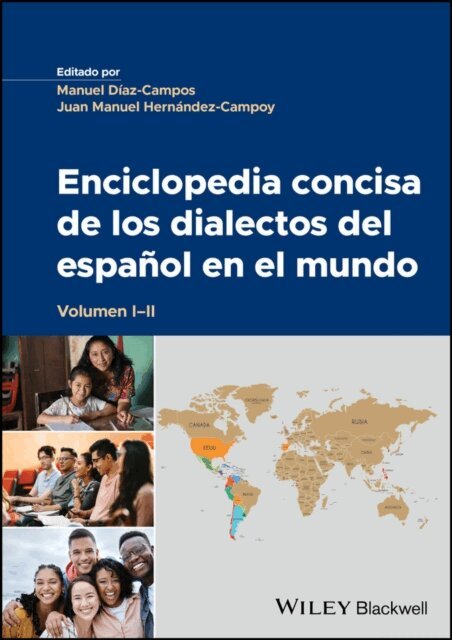
La Enciclopedia Concisa de los Dialectos del Español en el Mundo (ENCODES) proporciona una visión general completa de las características lingüísticas que caracterizan las áreas dialectales del español mundial, incluidas las diversas variedades habladas en Europa, América, Asia y áfrica. De amplio alcance temático y geográfico, esta obra de referencia única también aborda el español en contacto con otras lenguas, entre ellas el catalán, el vasco, el gallego, el portugués, el inglés, las lenguas indígenas y el judeoespañol (ladino).
Dividida en dos partes, la Enciclopedia cubre la variación fonológica, así como la variación gramatical y léxica. Los capítulos en profundidad analizan una variedad de fenómenos lingüísticos tanto cuantitativa como cualitativamente. La enciclopedia provee más de 100 entradas con información actualizada sobre situaciones regionales, sociales, étnicas o de contacto, lo que permite a los lectores realizar análisis comparativos entre áreas dialectales y aprovechar los datos actuales para realizar estudios tipológicos.
Aborda numerosas variedades regionales del español, incluidas la pronunciación, las diferencias gramaticales y la variación léxico-semántica. Ofrecer la documentación y cartografía de la variación sociolingüística entre comunidades en contextos vernáculos. Cubre aspectos del español que suelen quedar desatendidos en la literatura tradicional, como las variedades habladas en contacto con lenguas africanas y las áreas bilingües en contacto con lenguas indígenas. Incluye amplias referencias y notas a pie de página.La Enciclopedia Concisa de los Dialectos del Español en el Mundo es un recurso indispensable para cursos de posgrado y de pregrado avanzados en español, lingüística hispánica y educación en español, así como cursos relacionados en lingüística general, sociolingüística y dialectología, fonética y gramática del español.
Exploring the linguistic diversity across the whole of the Spanish-speaking world
Enciclopedia Concisa de los Dialectos del Español en el Mundo (ENCODES) provides a comprehensive overview of the linguistic features characterizing the dialectal areas of world Spanishes, including the many varieties spoken in Europe, the Americas, Asia, and Africa. Broad in topical and geographical scope, this unique reference work also addresses Spanish in contact with other languages, including Catalan, Basque, Galician, Portuguese, English, Indigenous languages, and Judeo-Spanish (Ladino).
Divided into two parts, the Enciclopedia covers phonological variation, as well as grammatical and lexical variation. In-depth chapters discuss a range of linguistic phenomena both quantitatively and qualitatively. More than 100 entries with up-to-date information on regional, social, ethnic, or contact situations, enable readers to perform comparative analyses across dialectal areas and draw from current data for typological studies.
Addresses numerous regional varieties of Spanish, including pronunciation, grammatical differences, and lexical-semantic variation Offer documenting and mapping sociolinguistic variation among communities in vernacular contexts Covers aspects of Spanish typically neglected in the traditional literature, such as varieties spoken in contact with African languages and bilingual areas in contact with Indigenous languages Includes extensive references and footnotes throughoutEnciclopedia Concisa de los Dialectos del Español en el Mundo is an indispensable resource for graduate and advanced undergraduate courses in Spanish, Hispanic linguistics, and Spanish education, as well as related courses in general linguistics, sociolinguistics, and Spanish dialectology, phonetics, and grammar.
4 795 kr
Läs direkt efter köp
Explora la diversidad lingüística en todo el mundo hispanohablante.
La Enciclopedia Concisa de los Dialectos del Español en el Mundo (ENCODES) proporciona una visión general completa de las características lingüísticas que caracterizan las áreas dialectales del español mundial, incluidas las diversas variedades habladas en Europa, América, Asia y áfrica. De amplio alcance temático y geográfico, esta obra de referencia única también aborda el español en contacto con otras lenguas, entre ellas el catalán, el vasco, el gallego, el portugués, el inglés, las lenguas indígenas y el judeoespañol (ladino).
Dividida en dos partes, la Enciclopedia cubre la variación fonológica, así como la variación gramatical y léxica. Los capítulos en profundidad analizan una variedad de fenómenos lingüísticos tanto cuantitativa como cualitativamente. La enciclopedia provee más de 100 entradas con información actualizada sobre situaciones regionales, sociales, étnicas o de contacto, lo que permite a los lectores realizar análisis comparativos entre áreas dialectales y aprovechar los datos actuales para realizar estudios tipológicos.
Aborda numerosas variedades regionales del español, incluidas la pronunciación, las diferencias gramaticales y la variación léxico-semántica. Ofrecer la documentación y cartografía de la variación sociolingüística entre comunidades en contextos vernáculos. Cubre aspectos del español que suelen quedar desatendidos en la literatura tradicional, como las variedades habladas en contacto con lenguas africanas y las áreas bilingües en contacto con lenguas indígenas. Incluye amplias referencias y notas a pie de página.La Enciclopedia Concisa de los Dialectos del Español en el Mundo es un recurso indispensable para cursos de posgrado y de pregrado avanzados en español, lingüística hispánica y educación en español, así como cursos relacionados en lingüística general, sociolingüística y dialectología, fonética y gramática del español.
Exploring the linguistic diversity across the whole of the Spanish-speaking world
Enciclopedia Concisa de los Dialectos del Español en el Mundo (ENCODES) provides a comprehensive overview of the linguistic features characterizing the dialectal areas of world Spanishes, including the many varieties spoken in Europe, the Americas, Asia, and Africa. Broad in topical and geographical scope, this unique reference work also addresses Spanish in contact with other languages, including Catalan, Basque, Galician, Portuguese, English, Indigenous languages, and Judeo-Spanish (Ladino).
Divided into two parts, the Enciclopedia covers phonological variation, as well as grammatical and lexical variation. In-depth chapters discuss a range of linguistic phenomena both quantitatively and qualitatively. More than 100 entries with up-to-date information on regional, social, ethnic, or contact situations, enable readers to perform comparative analyses across dialectal areas and draw from current data for typological studies.
Addresses numerous regional varieties of Spanish, including pronunciation, grammatical differences, and lexical-semantic variation Offer documenting and mapping sociolinguistic variation among communities in vernacular contexts Covers aspects of Spanish typically neglected in the traditional literature, such as varieties spoken in contact with African languages and bilingual areas in contact with Indigenous languages Includes extensive references and footnotes throughoutEnciclopedia Concisa de los Dialectos del Español en el Mundo is an indispensable resource for graduate and advanced undergraduate courses in Spanish, Hispanic linguistics, and Spanish education, as well as related courses in general linguistics, sociolinguistics, and Spanish dialectology, phonetics, and grammar.
739 kr
Läs direkt efter köp
503 kr
Läs direkt efter köp