Manuel DeLanda – författare
Visar alla böcker från författaren Manuel DeLanda. Handla med fri frakt och snabb leverans.
28 produkter
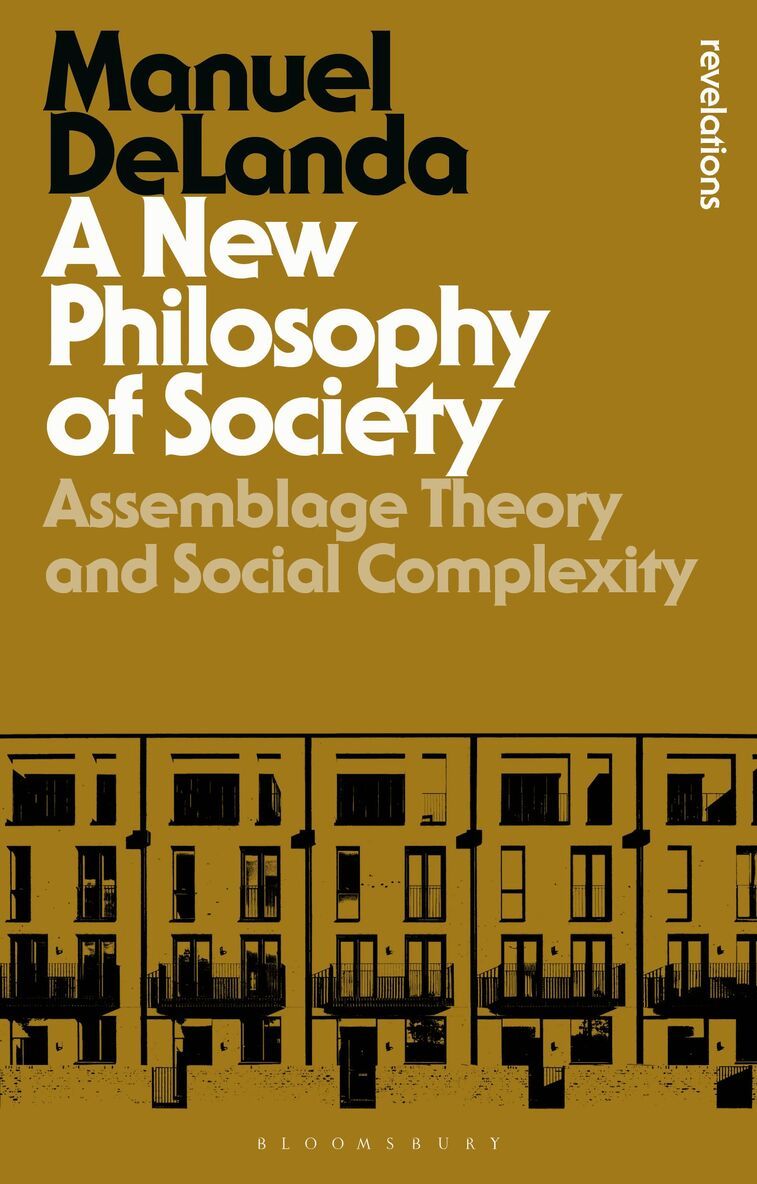
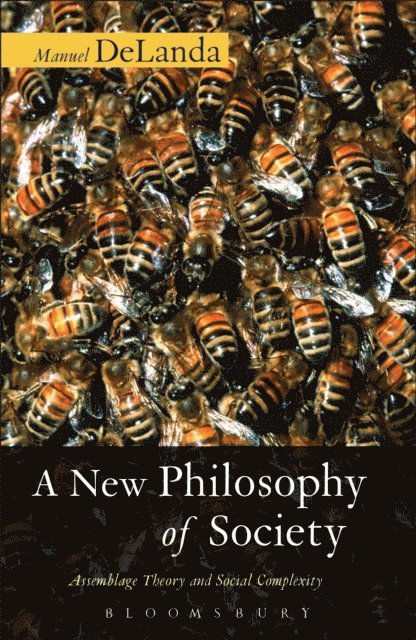
New Philosophy of Society
Assemblage Theory and Social Complexity
Häftad, 2019
374 kr
Lägg i varukorg
In A New Philosophy of Society Manuel DeLanda offers a fascinating look at how the contemporary world is characterized by an extraordinary social complexity. Since most social entities, from small communities to large nation-states would disappear altogether if our cognitive abilities ceased to …
Manuel DeLanda - ISM ISM
Av Manuel DeLanda, Andrew Lampert m. fl.
Häftad, 2018
327 kr
Lägg i varukorg
Economically downtrodden New York City in the mid-to-late 1970s was like the end of the world, but only if you chose to see it that way. For young artists running amok in the collapsing capital, the possibilities seemed endless. For Manuel DeLanda (born 1952), a Mexican transplant enrolled at the …
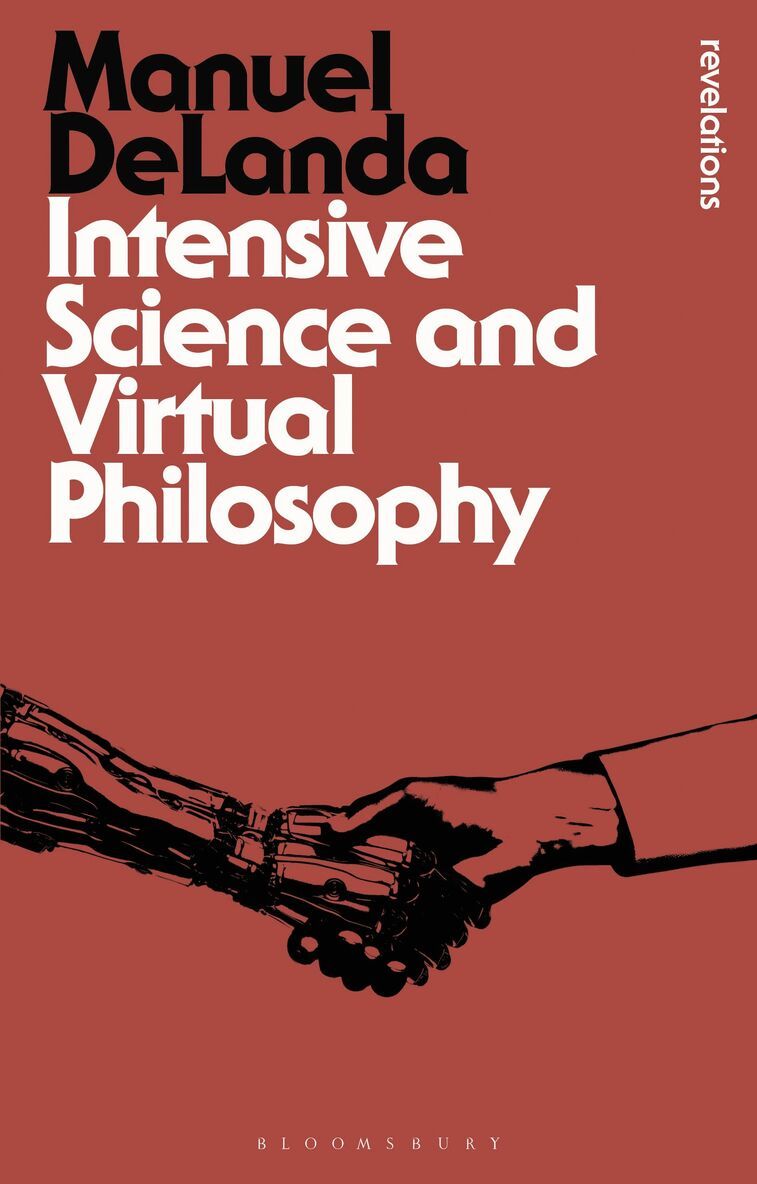
Intensive Science and Virtual Philosophy
Häftad, 2013
275 kr
Lägg i varukorg
First published 10 years ago, Manuel DeLanda's Intensive Science and Virtual Philosophy rapidly established itself as a landmark text in contemporary continental thought. DeLanda here draws on the realist philosophy of Gilles Deleuze to the domain of philosophy of science. As well as contemporary …
New Philosophy of Society
Assemblage Theory and Social Complexity
Häftad, 2006
459 kr
Lägg i varukorg
Manuel DeLanda is a distinguished writer, artist and philosopher. In his new book, he offers a fascinating look at how the contemporary world is characterized by an extraordinary social complexity. Since most social entitles, from small communities to large nation-states, would disappear altogether …
New Philosophy of Society
Assemblage Theory and Social Complexity
Inbunden, 2006
1983 kr
Lägg i varukorg
Manuel DeLanda is a distinguished writer, artist and philosopher. In his new book, he offers a fascinating look at how the contemporary world is characterized by an extraordinary social complexity. Since most social entities, from small communities to large nation-states, would disappear altogether …
New Philosophy of Society
Assemblage Theory and Social Complexity
E-bok, 2019
405 kr
Lägg i varukorg
In A New Philosophy of Society Manuel DeLanda offers a fascinating look at how the contemporary world is characterized by an extraordinary social complexity. Since most social entities, from small communities to large nation-states would disappear altogether if our cognitive abilities ceased to …
New Philosophy of Society
Assemblage Theory and Social Complexity
E-bok, 2019
405 kr
Lägg i varukorg
In A New Philosophy of Society Manuel DeLanda offers a fascinating look at how the contemporary world is characterized by an extraordinary social complexity. Since most social entities, from small communities to large nation-states would disappear altogether if our cognitive abilities ceased to …
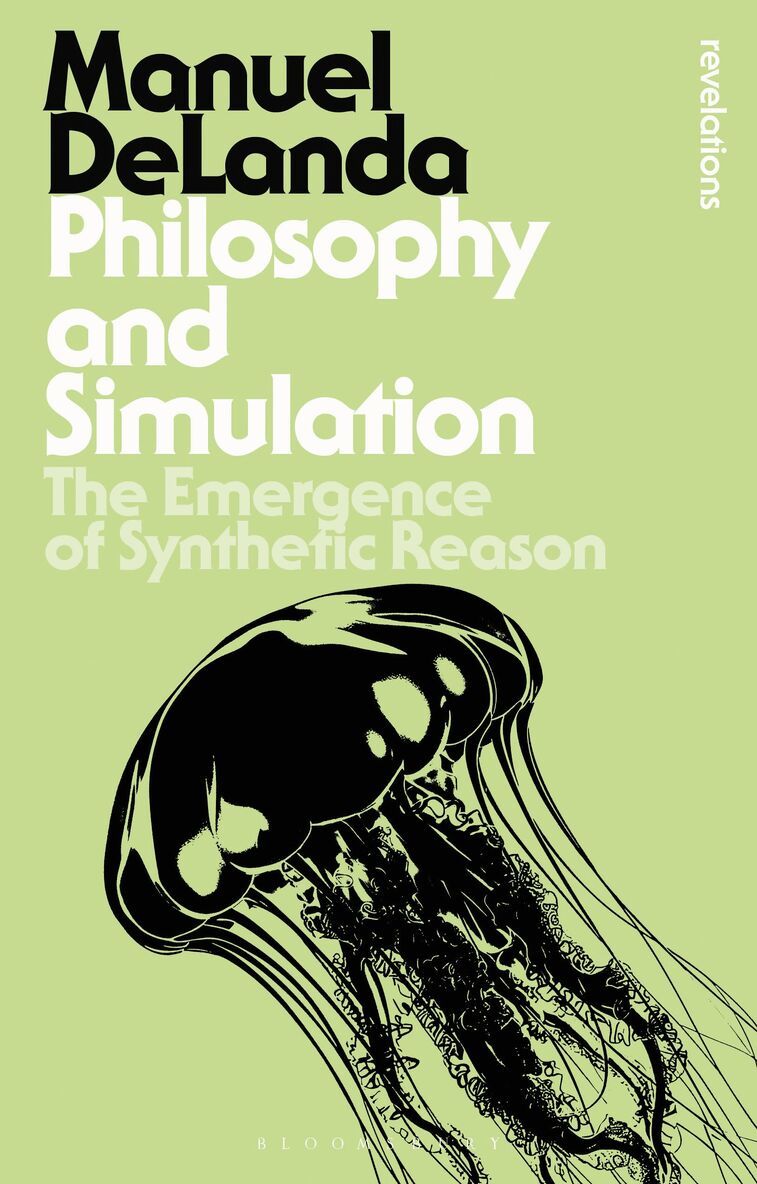
Philosophy and Simulation
The Emergence of Synthetic Reason
E-bok, 2019
405 kr
Lägg i varukorg
In this groundbreaking book, Manuel DeLanda analyzes different genres of simulation, from cellular automata and generic algorithms to neural nets and multi-agent systems, as a means to conceptualize the space of possibilities associated with casual and other capacities. This remarkably clear …
Philosophy and Simulation
The Emergence of Synthetic Reason
Häftad, 2019
374 kr
Lägg i varukorg
In this groundbreaking book, Manuel DeLanda analyzes different genres of simulation, from cellular automata and generic algorithms to neural nets and multi-agent systems, as a means to conceptualize the space of possibilities associated with casual and other capacities.This remarkably clear …
Philosophy and Simulation
The Emergence of Synthetic Reason
E-bok, 2019
394 kr
Lägg i varukorg
In this groundbreaking book, Manuel DeLanda analyzes different genres of simulation, from cellular automata and generic algorithms to neural nets and multi-agent systems, as a means to conceptualize the space of possibilities associated with casual and other capacities. This remarkably clear …
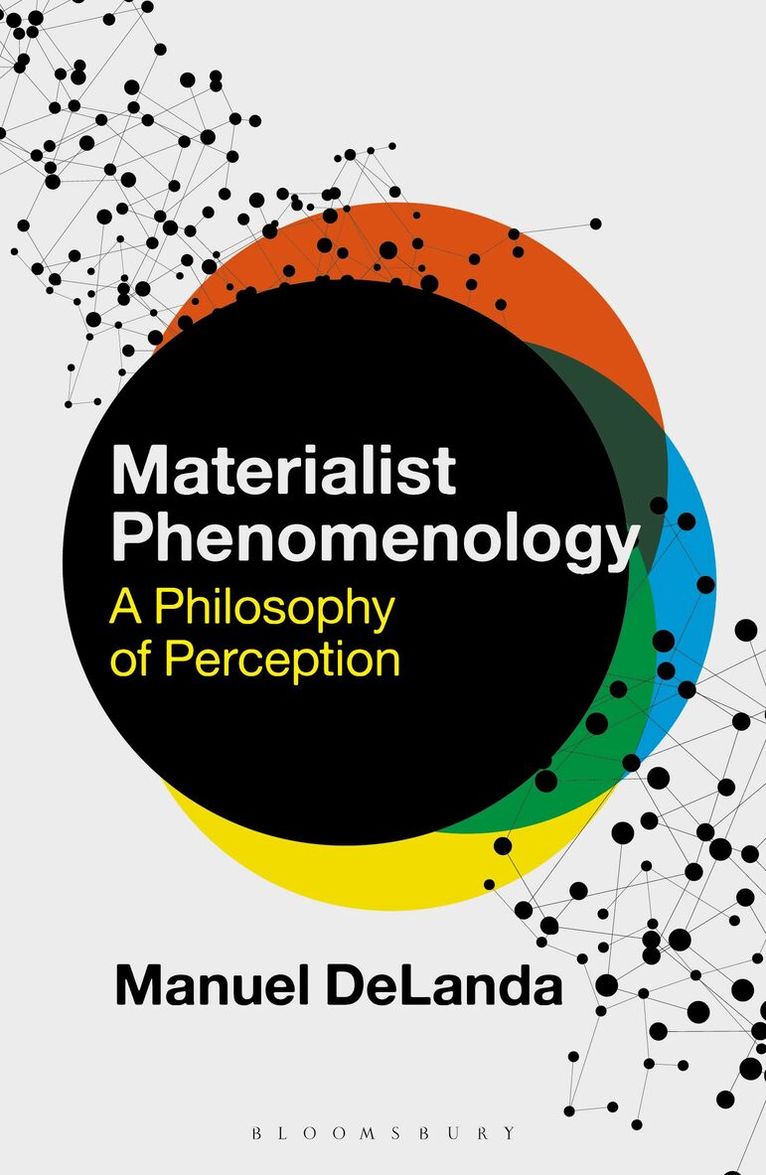
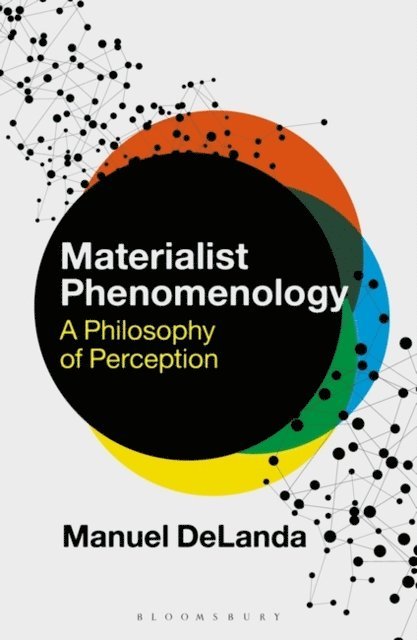
Materialist Phenomenology
A Philosophy of Perception
Av Manuel DeLanda, Rosi Braidotti
Inbunden, 2021
1136 kr
Lägg i varukorg
Bringing together phenomenology and materialism, two perspectives seemingly at odds with each other, leading international theorist, Manuel DeLanda, has created an entirely new theory of visual perception. Engaging the scientific (biology, ecological psychology, neuroscience and robotics), the …
Materialist Phenomenology
A Philosophy of Perception
Av Manuel DeLanda, Rosi Braidotti
Häftad, 2021
346 kr
Lägg i varukorg
Bringing together phenomenology and materialism, two perspectives seemingly at odds with each other, leading international theorist, Manuel DeLanda, has created an entirely new theory of visual perception. Engaging the scientific (biology, ecological psychology, neuroscience and robotics), the …
Materialist Phenomenology
A Philosophy of Perception
E-bok, 2021
374 kr
Lägg i varukorg
Bringing together phenomenology and materialism, two perspectives seemingly at odds with each other, leading international theorist, Manuel DeLanda, has created an entirely new theory of visual perception. Engaging the scientific (biology, ecological psychology, neuroscience and robotics), the …
Materialist Phenomenology
A Philosophy of Perception
E-bok, 2021
363 kr
Lägg i varukorg
Bringing together phenomenology and materialism, two perspectives seemingly at odds with each other, leading international theorist, Manuel DeLanda, has created an entirely new theory of visual perception. Engaging the scientific (biology, ecological psychology, neuroscience and robotics), the …
Philosophical Physics
Realism, Instrumentalism, and Positivism in History
Häftad, 2027
276 kr
Kommande
Philosophical Physics is the latest instalment in Manuel DeLanda’s intervention in the philosophy of science.Rejecting the traditional empiricist vocabulary of “Theory,” “Observation,” and “Physical Law,” DeLanda argues that the objective content of physics is better understood through equations, …
New Philosophy of Society
Assemblage Theory and Social Complexity
E-bok, 2006
499 kr
Lägg i varukorg
Manuel DeLanda is a distinguished writer, artist and philosopher. In his new book, he offers a fascinating look at how the contemporary world is characterized by an extraordinary social complexity. Since most social entities, from small communities to large nation-states, would disappear altogether …
New Philosophy of Society
Assemblage Theory and Social Complexity
E-bok, 2006
483 kr
Lägg i varukorg
Manuel DeLanda is a distinguished writer, artist and philosopher. In his new book, he offers a fascinating look at how the contemporary world is characterized by an extraordinary social complexity. Since most social entities, from small communities to large nation-states, would disappear altogether …
Philosophical Chemistry
Genealogy of a Scientific Field
Inbunden, 2015
784 kr
Lägg i varukorg
Philosophical Chemistry furthers Manuel DeLanda’s revolutionary intervention in the philosophy of science and science studies. Against a monadic and totalizing understanding of science, DeLanda’s historicizing investigation traces the centrality of divergence, specialization and hybridization …
Philosophical Chemistry
Genealogy of a Scientific Field
E-bok, 2015
328 kr
Lägg i varukorg
Philosophical Chemistry furthers Manuel DeLanda''s revolutionary intervention in the philosophy of science and science studies. Against a monadic and totalizing understanding of science, DeLanda''s historicizing investigation traces the centrality of divergence, specialization and hybridization …
Philosophical Chemistry
Genealogy of a Scientific Field
E-bok, 2015
328 kr
Lägg i varukorg
Philosophical Chemistry furthers Manuel DeLanda''s revolutionary intervention in the philosophy of science and science studies. Against a monadic and totalizing understanding of science, DeLanda''s historicizing investigation traces the centrality of divergence, specialization and hybridization …
Philosophical Chemistry
Genealogy of a Scientific Field
Häftad, 2019
303 kr
Lägg i varukorg
Philosophical Chemistry furthers Manuel DeLanda’s revolutionary intervention in the philosophy of science and science studies. Against a monadic and totalizing understanding of science, DeLanda’s historicizing investigation traces the centrality of divergence, specialization and hybridization …
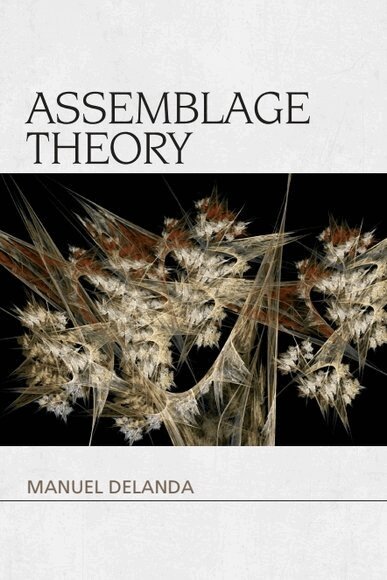
Assemblage Theory
Häftad, 2016
288 kr
Lägg i varukorg
Manuel DeLanda provides the first detailed overview of the assemblage theory found in germ in Deleuze and Guattari’s writings. Through a series of case studies, DeLanda shows how the concept can be applied to economic, linguistic, and military history as well as to metaphysics, science, and …
Rise of Realism
Av Manuel DeLanda, Graham Harman
Inbunden, 2017
720 kr
Lägg i varukorg
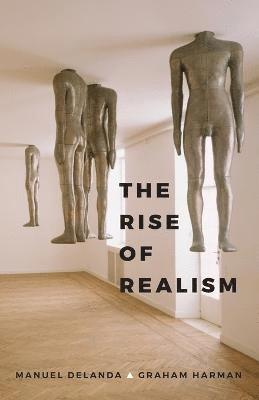
Until quite recently, almost no philosophers trained in the continental tradition saw anything of value in realism. The situation in analytic philosophy was always different, but in continental philosophy realism was usually treated as a pseudo-problem. That is no longer the case.In this …
Rise of Realism
Av Manuel DeLanda, Graham Harman
Häftad, 2017
231 kr
Lägg i varukorg
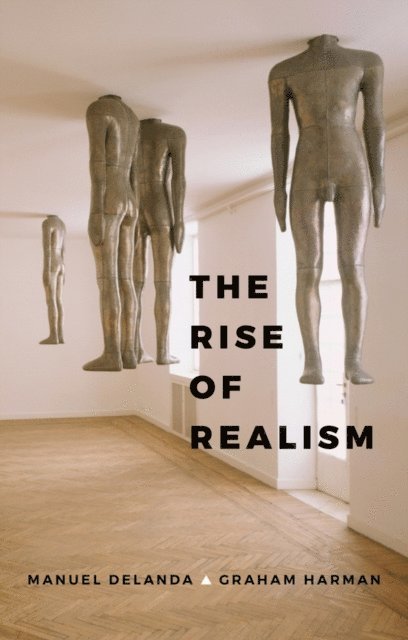
Until quite recently, almost no philosophers trained in the continental tradition saw anything of value in realism. The situation in analytic philosophy was always different, but in continental philosophy realism was usually treated as a pseudo-problem. That is no longer the case.In this …
Rise of Realism
Av Graham Harman, Manuel DeLanda
E-bok, 2017
261 kr
Lägg i varukorg
Until quite recently, almost no philosophers trained in the continental tradition saw anything of value in realism. The situation in analytic philosophy was always different, but in continental philosophy realism was usually treated as a pseudo-problem. That is no longer the case. In this …
Intensive Science and Virtual Philosophy
E-bok, 2013
296 kr
Lägg i varukorg
First published 10 years ago, Manuel DeLanda''s Intensive Science and Virtual Philosophy rapidly established itself as a landmark text in contemporary continental thought. DeLanda here draws on the realist philosophy of Gilles Deleuze to the domain of philosophy of science. As well as contemporary …
Intensive Science and Virtual Philosophy
E-bok, 2013
296 kr
Lägg i varukorg
First published 10 years ago, Manuel DeLanda''s Intensive Science and Virtual Philosophy rapidly established itself as a landmark text in contemporary continental thought. DeLanda here draws on the realist philosophy of Gilles Deleuze to the domain of philosophy of science. As well as contemporary …