Manuel Gámez Casado – författare
Visar alla böcker från författaren . Handla med fri frakt och snabb leverans.
4 produkter
4 produkter
Inbunden, Engelska, 2024
1 358 kr
Skickas inom 5-8 vardagar
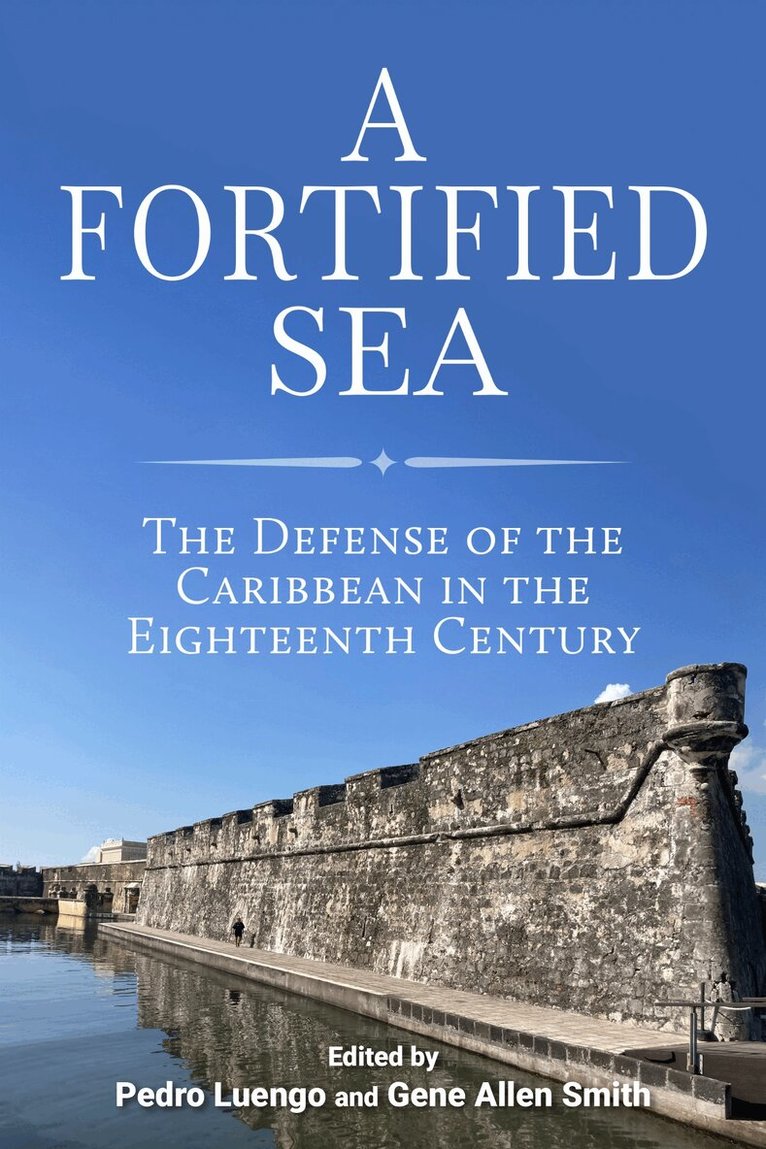
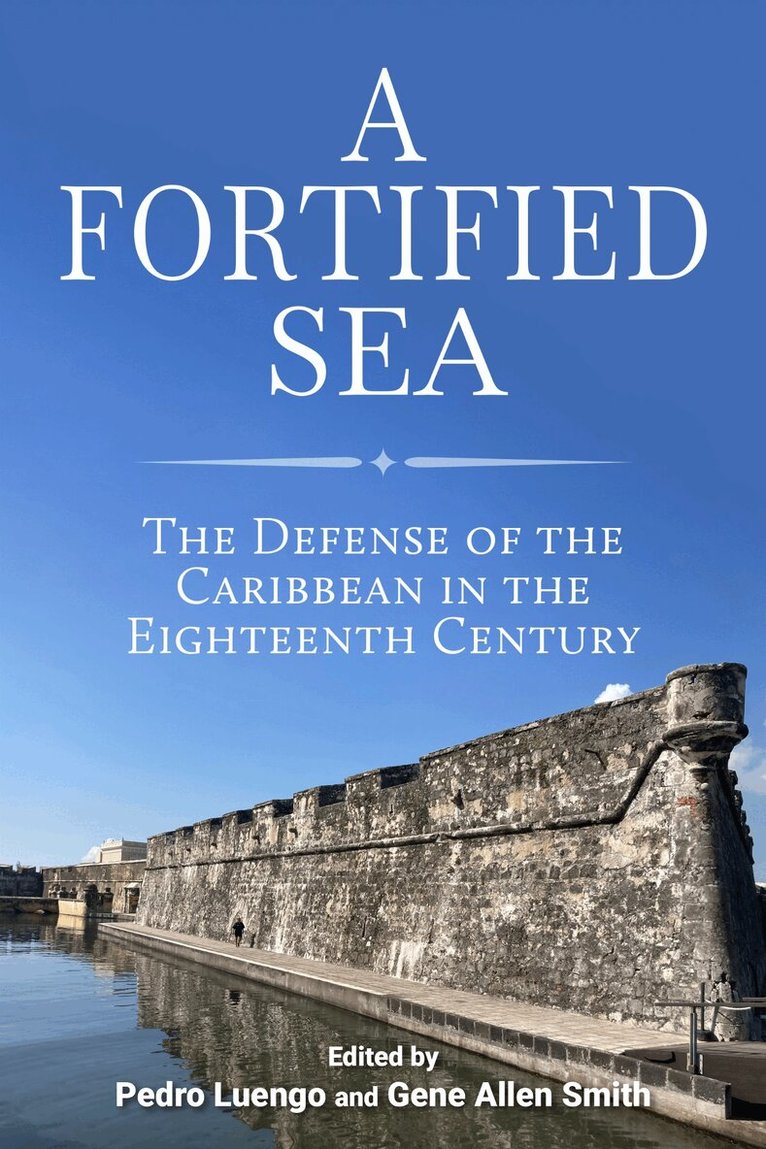
A multidisciplinary examination of the role of military forts in the Caribbean during the age of European colonial expansionA Fortified Sea illuminates the key role of military forts in the greater Caribbean during the long eighteenth century. The historical Caribbean, with its multiple contested boundaries at the periphery of European western expansion, typically has been analyzed as part of an empire. European powers, including Spain, the Netherlands, England, and Denmark, carved up the Caribbean Sea into a cultural patchwork. These varied cultural contexts were especially evident during regional and national conflicts throughout the eighteenth century and prompted the construction of more fortifications to protect imperial interests. The emergence of Anglo-American colonies during the eighteenth century and later the United States gradually altered previous geopolitical balances, redefining the cultural and geopolitical boundaries of the region. This collection of essays incorporates several historiographical traditions—from Spanish to American—all portraying the borderland as a breakthrough contested cultural, social, economic, and military boundary. A multinational roster of contributors approaches topics through a war studies lens as well as architecturally and historically, enriching a usually monothematic view. As well, discussion of cultural management of the historical remains of forts shows local communities trying to preserve and interpret the role of forts in society. Part I defines the training of military engineers in Spain. Part II engages with British defensive military plans and settlements in the Caribbean and shows how the British dealt with the rhetorical image of the empire. Part III clarifies the building processes of fortifications in Santiago de Cuba, Cartagena de Indias, Havana, and Veracruz, among other places. Copious period maps complement the prodigious research. The book will appeal to readers interested in the history of the Caribbean, military history, and European imperial expansion.
Häftad, Engelska, 2024
443 kr
Skickas inom 5-8 vardagar
A multidisciplinary examination of the role of military forts in the Caribbean during the age of European colonial expansionA Fortified Sea illuminates the key role of military forts in the greater Caribbean during the long eighteenth century. The historical Caribbean, with its multiple contested boundaries at the periphery of European western expansion, typically has been analyzed as part of an empire. European powers, including Spain, the Netherlands, England, and Denmark, carved up the Caribbean Sea into a cultural patchwork. These varied cultural contexts were especially evident during regional and national conflicts throughout the eighteenth century and prompted the construction of more fortifications to protect imperial interests. The emergence of Anglo-American colonies during the eighteenth century and later the United States gradually altered previous geopolitical balances, redefining the cultural and geopolitical boundaries of the region. This collection of essays incorporates several historiographical traditions—from Spanish to American—all portraying the borderland as a breakthrough contested cultural, social, economic, and military boundary. A multinational roster of contributors approaches topics through a war studies lens as well as architecturally and historically, enriching a usually monothematic view. As well, discussion of cultural management of the historical remains of forts shows local communities trying to preserve and interpret the role of forts in society. Part I defines the training of military engineers in Spain. Part II engages with British defensive military plans and settlements in the Caribbean and shows how the British dealt with the rhetorical image of the empire. Part III clarifies the building processes of fortifications in Santiago de Cuba, Cartagena de Indias, Havana, and Veracruz, among other places. Copious period maps complement the prodigious research. The book will appeal to readers interested in the history of the Caribbean, military history, and European imperial expansion.ContributorsMÓnica Cejudo Collera / Pedro Cruz Freire / MarÍa Mercedes FernÁndez MartÍn / Aaron Graham / Manuel GÁmez Casado / Francisco Javier Herrera GarcÍa / Nuria Hinarejos MartÍn / Pedro Luengo / Ignacio J. LÓpez-HernÁndez / JosÉ Miguel Morales Folguera / Alfredo J. Morales / Juan Miguel MuÑoz CorbalÁn / JesÚs Maria Ruiz Carrasco / GermÁn Segura GarcÍa / Gene Allen Smith / Christopher K. Waters
3 918 kr
Skickas inom 3-6 vardagar
E-bok
Spanska, 202362 kr
Läs direkt efter köp
En este texto se describen y analizan las circunstancias que provocaron el traslado del Real Hospital de San Lázaro del centro de la ciudad de Cartagena de Indias a una isla cercana llamada Tierra Bomba, en el sitio conocido como Caño de Loro; las gestiones para el desplazamiento se inician en 1759 y terminan, más de treinta años después, en 1790. La reubicación se realizó en el marco de la política hospitalaria propuesta por el reformismo borbónico que generó múltiples proyectos por parte de las autoridades metropolitanas, virreinales y locales relacionados con el funcionamiento, las rentas, la ocupación de los espacios, la construcción y la ubicación de estas instituciones. El escrito también se detiene en la presentación y explicación del proyecto de arquitectura hospitalaria expuesto por el ingeniero militar Antonio de Arévalo con el fin de dar una estructura adecuada a la institución, aspecto nada conocido de la historia neogranadina. A pesar de que en el estudio prima una narrativa administrativa y procedimental, relacionada con trámites y discusiones de diversa índole sobre el hospital, el proceso de traslado pone en evidencia la forma en que distintos grupos de la sociedad percibían la enfermedad, las creencias que prevalecían sobre su origen, cómo pensaban que debían enfrentarla y muestra asimismo algunos aspectos de la vida de los enfermos en el hospital durante esa época.