Manuel Herrero Sánchez – författare
Visar alla böcker från författaren Manuel Herrero Sánchez. Handla med fri frakt och snabb leverans.
8 produkter
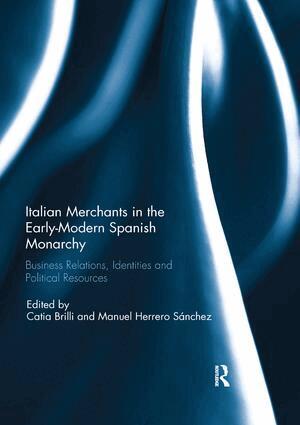
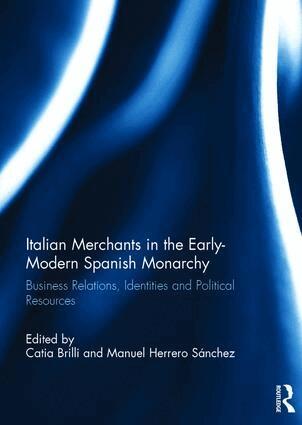
Italian Merchants in the Early-Modern Spanish Monarchy
Business Relations, Identities and Political Resources
Av Catia Brilli, Manuel Herrero Sánchez
Häftad, 2019
772 kr
Lägg i varukorg
Italian businessmen played a key role in both international trade and finance from the Middle Ages until the first decades of the seventeenth century. While the peak of their influence within and beyond Europe has been thoroughly examined by historians, the way in which merchants from the Italian …
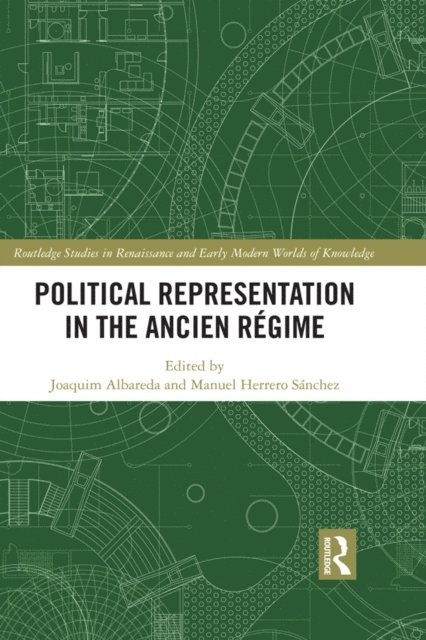
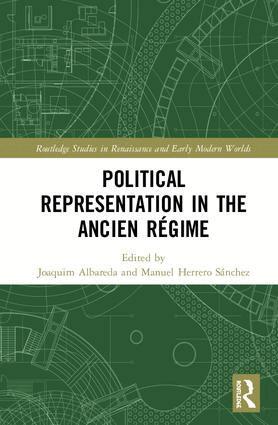
Political Representation in the Ancien Regime
Av Manuel Herrero Sanchez, Joaquim Albareda
E-bok, 2018
856 kr
Lägg i varukorg
What kind of political representation existed in the Ancien Régime? Which social sectors were given a voice, and how were they represented in the institutions? These are some of the issues addressed by the authors of this book from different institutional angles (monarchies and republics; …
Political Representation in the Ancien Regime
Av Manuel Herrero Sanchez, Joaquim Albareda
E-bok, 2018
856 kr
Lägg i varukorg
What kind of political representation existed in the Ancien Régime? Which social sectors were given a voice, and how were they represented in the institutions? These are some of the issues addressed by the authors of this book from different institutional angles (monarchies and republics; …
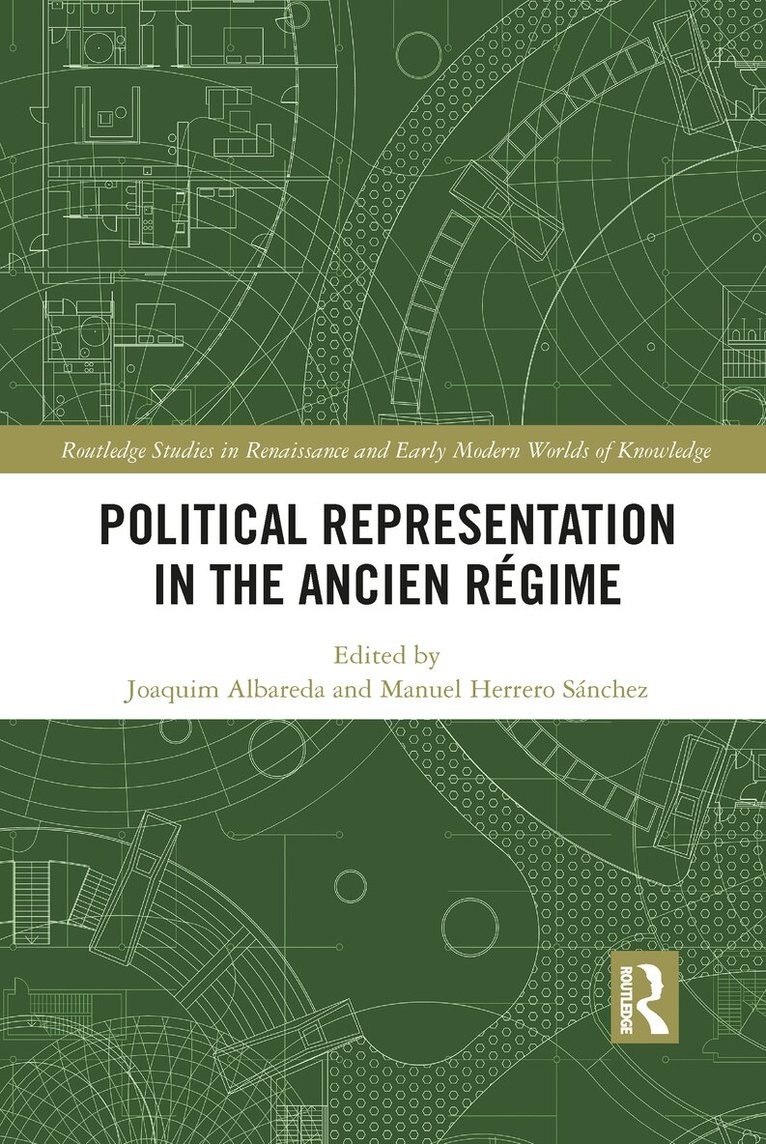
Political Representation in the Ancien Régime
Av Joaquim Albareda, Manuel Herrero Sánchez
Häftad, 2021
727 kr
Lägg i varukorg
What kind of political representation existed in the Ancien Régime? Which social sectors were given a voice, and how were they represented in the institutions? These are some of the issues addressed by the authors of this book from different institutional angles (monarchies and republics; …
Political Representation in the Ancien Régime
Av Joaquim Albareda, Manuel Herrero Sánchez
Inbunden, 2018
2585 kr
Lägg i varukorg
What kind of political representation existed in the Ancien Régime? Which social sectors were given a voice, and how were they represented in the institutions? These are some of the issues addressed by the authors of this book from different institutional angles (monarchies and republics; …
Italian Merchants in the Early-Modern Spanish Monarchy
Business Relations, Identities and Political Resources
Av Catia Brilli, Manuel Herrero Sánchez
Inbunden, 2017
2585 kr
Lägg i varukorg
Italian businessmen played a key role in both international trade and finance from the Middle Ages until the first decades of the seventeenth century. While the peak of their influence within and beyond Europe has been thoroughly examined by historians, the way in which merchants from the Italian …
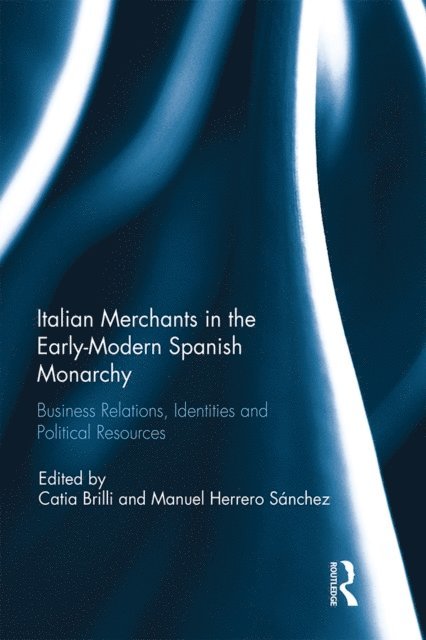
Italian Merchants in the Early-Modern Spanish Monarchy
Business Relations, Identities and Political Resources
Av Manuel Herrero Sanchez, Catia Brilli
E-bok, 2019
890 kr
Lägg i varukorg
Italian businessmen played a key role in both international trade and finance from the Middle Ages until the first decades of the seventeenth century. While the peak of their influence within and beyond Europe has been thoroughly examined by historians, the way in which merchants from the Italian …
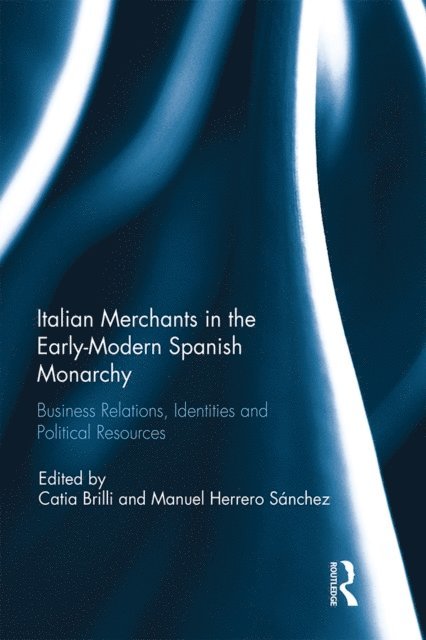
Italian Merchants in the Early-Modern Spanish Monarchy
Business Relations, Identities and Political Resources
Av Manuel Herrero Sanchez, Catia Brilli
E-bok, 2019
910 kr
Lägg i varukorg
Italian businessmen played a key role in both international trade and finance from the Middle Ages until the first decades of the seventeenth century. While the peak of their influence within and beyond Europe has been thoroughly examined by historians, the way in which merchants from the Italian …