
Häftad, Engelska, 2022
255 kr
Skickas inom 5-8 vardagar
255 kr
Skickas inom 5-8 vardagar
258 kr
Skickas inom 5-8 vardagar
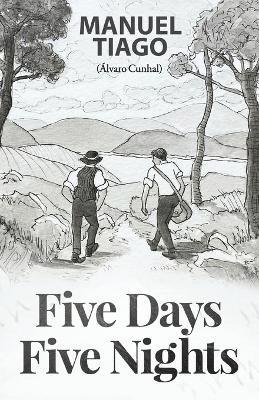
The Portuguese Communist Party is, proportionate to the size of the country’s population, one of the largest in the world, certainly in the capitalist world. It must have come as something of a surprise for Portuguese readers to learn that its longtime leader, Alvaro Cunhal, had made a sideline career for himself as a neorealist fiction writer. This book is the first to appear in English. International Publishers, renowned for its historic catalogue of publications of non-fiction, including Marxist theoretical studies, fiction, memoir and poetry, is proud to present this unusual novella as a long overdue expression of gratitude for Alvaro Cunhal’s self sacrificing leadership of the Portuguese Communists during most of the half-century of fascism in his land.
Stylistically, Five Days, Five Nights approximates something of the 1940s and ’50s noir writers’ and filmmakers’ hyperrealist sensibilities, though any direct influence on the writer is not likely, for Cunhal wrote this book while imprisoned in Portugal in the 1950s. He was able to slip it past the censors, who saw little specifically political in it, merely the story of an emigrant escaping the country, a common occurrence at the time. Notably, there is no reference to the Party as such, though readers are welcome to infer its presence in the background.
The manuscript of this novella was found in the archives of the Forte de Peniche, where Cunhal had been imprisoned. Cunhal had left it behind when he escaped on January 3, 1960, although he did take with him the manuscript to another, much longer and more specifically political novel, Até Amanhã, Camaradas. After the 25th of April 1974 Revolution that brought an end to fascism in Portugal, the militaryofficers in charge of the fort returned the manuscript to Cunhal, and he published it in 1975 under the pseudonym Manuel Tiago, with a fictitious indication that it had been found in the “author’s” papers after his death (an explanation he also used for Até Amanhã, Camaradas). At the time the true authorship of these books was known only to the Party leadership. Only later in life, in 1994, did Cunhal acknowledge that he was “Manuel Tiago,” pseudonymous author of several books (whose titles are noted in the biography of theauthor).
Cunhal had obviously heard many stories of his comrades’ clandestine emigration across the border. Possibly, too, there may be some autobiographical content to the story given the author’s involvement in the Portuguese student movement in Lisbon in the very early years of António Salazar’s Estado Novo.
Estado Novo or— “New State” was a version of fascism and a setting of the story in the early 1930s would seem probable. Furthermore, it seems to predate the Spanish Civil War (1936-39) and Francisco Franco’s subsequent fascist regime, if we are to accept the logic of an escape over the border from the oppressive Portugal to an untroubled Spain as described in the book. However, If we understand the story as existing outside of a specific time, involving archetypal situations, relationships and circumstances, then to that extent it achieves a certain universality, standing in for similar, parallel conditions almost anywhere in the world at any time.
In the final analysis, Five Days, Five Nights surely was written to remind readers not only of the sacrifices made by fascism’s resisters, but of the loss of creativity and intelligence that Portugal suffered due to fascism'serosion of talented, hardworking citizens.
258 kr
Skickas inom 5-8 vardagar
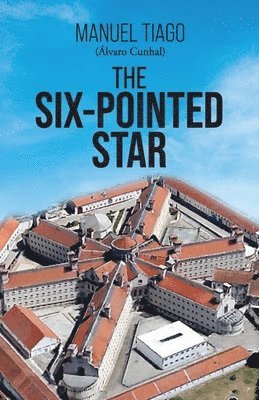
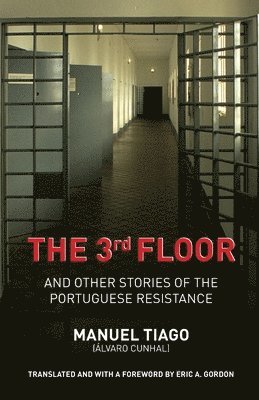
Manuel Tiago derived much of his material for this book about prison life from the years he spent in detention for his political views during the era of Portuguese fascism. There are three "political" prisoners in this novelistic mémoire, but mostly we meet men convicted for other types of crimes, many of them violent. But in a backward, repressive society, is stealing food for the poor or trying to demand justice for your fellow workers truly a crime?
Many writers have applied their gritty realism to the subject of prison, again, some from personal experience. The Six-Pointed Star, now available to an English-language readership, joins the select company of great books on this theme.
The author opens and closes his account on the outside of the prison. On almost every page, he tells stories, some tragic, some even with elements of humor, showing that life on the inside mirrors that on the outside. All the human qualities, both positive and negative, that we see there, we also see here.
In this composite tapestry of a place, a time, and a shifting population of 500 men, almost any reader will be able to identify moments in their own lives when they were just this far away from committing a crime, or wanting to, and ending up as these men did. However many reasons there may be why people commit crimes, even heinous ones, prison does not cancel a person's humanity. That may be in itself the single most important "message" this book communicates.
255 kr
Skickas inom 5-8 vardagar
162 kr
Skickas
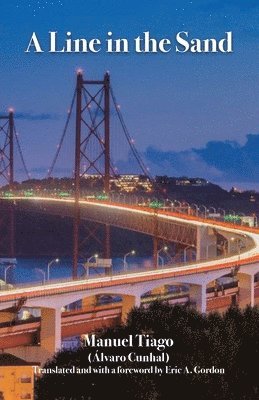
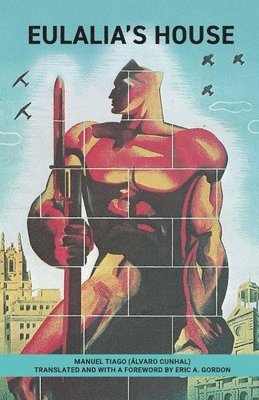
The Spanish Civil War (1936-1939) represented the defining social issue of its time. With fascist régimes already established in Germany, Italy and Portugal, alongside militarist authoritarian states such as Japan, many millions around the world perceived the fascist danger in Spain and responded to the call. They knew that a fascist Spain, supported by the other fascist nations, would pose a threat to Western democracy in the rest of Europe. Such an axis of forces could only be a threat as well to the young socialist Soviet Union. A fascist victory in Spain would embolden the world's anti-democratic reactionary entente among Junkers, capitalists, colonial imperialists, feudal latifundists and the Church.
Once the war broke out, volunteers streamed in from many lands, representing various political tendencies-Communist, Trotskyist, Socialist, anarchist, syndicalist, Republican- reflecting the different strands of domestic politics within Spain itself. From the United States at least a couple of thousand passionate young men and women joined with those from other lands in the reverently remembered International Brigade. The American contingent was called the Abraham Lincoln Battalion. To this day the Abraham Lincoln Brigade Archives (ALBA) continues to educate the world about these heroes, the last of them deceased now, who risked and gave their lives in the defense of democracy. Their well-researched periodical The Volunteer is replete with their stories.
In all of the artistic and historical output concerning the Spanish Civil War, mention is scarcely found of the response to it from neighboring Portugal. This is strange since Portugal had already been suffering under António Salazar's fascist regime for almost a decade and was all too familiar with what lay ahead for the Spanish people-and the world-should the forces of Generalísimo Francisco Franco win. It's our hope that the release of this novel in English will help to fill some of that gap.
334 kr
Skickas inom 5-8 vardagar
334 kr
Skickas inom 5-8 vardagar
255 kr
Skickas inom 5-8 vardagar
258 kr
Skickas inom 5-8 vardagar
The Portuguese Communist Party is, proportionate to the size of the country’s population, one of the largest in the world, certainly in the capitalist world. It must have come as something of a surprise for Portuguese readers to learn that its longtime leader, Alvaro Cunhal, had made a sideline career for himself as a neorealist fiction writer. This book is the first to appear in English. International Publishers, renowned for its historic catalogue of publications of non-fiction, including Marxist theoretical studies, fiction, memoir and poetry, is proud to present this unusual novella as a long overdue expression of gratitude for Alvaro Cunhal’s self sacrificing leadership of the Portuguese Communists during most of the half-century of fascism in his land.
Stylistically, Five Days, Five Nights approximates something of the 1940s and ’50s noir writers’ and filmmakers’ hyperrealist sensibilities, though any direct influence on the writer is not likely, for Cunhal wrote this book while imprisoned in Portugal in the 1950s. He was able to slip it past the censors, who saw little specifically political in it, merely the story of an emigrant escaping the country, a common occurrence at the time. Notably, there is no reference to the Party as such, though readers are welcome to infer its presence in the background.
The manuscript of this novella was found in the archives of the Forte de Peniche, where Cunhal had been imprisoned. Cunhal had left it behind when he escaped on January 3, 1960, although he did take with him the manuscript to another, much longer and more specifically political novel, Até Amanhã, Camaradas. After the 25th of April 1974 Revolution that brought an end to fascism in Portugal, the militaryofficers in charge of the fort returned the manuscript to Cunhal, and he published it in 1975 under the pseudonym Manuel Tiago, with a fictitious indication that it had been found in the “author’s” papers after his death (an explanation he also used for Até Amanhã, Camaradas). At the time the true authorship of these books was known only to the Party leadership. Only later in life, in 1994, did Cunhal acknowledge that he was “Manuel Tiago,” pseudonymous author of several books (whose titles are noted in the biography of theauthor).
Cunhal had obviously heard many stories of his comrades’ clandestine emigration across the border. Possibly, too, there may be some autobiographical content to the story given the author’s involvement in the Portuguese student movement in Lisbon in the very early years of António Salazar’s Estado Novo.
Estado Novo or— “New State” was a version of fascism and a setting of the story in the early 1930s would seem probable. Furthermore, it seems to predate the Spanish Civil War (1936-39) and Francisco Franco’s subsequent fascist regime, if we are to accept the logic of an escape over the border from the oppressive Portugal to an untroubled Spain as described in the book. However, If we understand the story as existing outside of a specific time, involving archetypal situations, relationships and circumstances, then to that extent it achieves a certain universality, standing in for similar, parallel conditions almost anywhere in the world at any time.
In the final analysis, Five Days, Five Nights surely was written to remind readers not only of the sacrifices made by fascism’s resisters, but of the loss of creativity and intelligence that Portugal suffered due to fascism'serosion of talented, hardworking citizens.
258 kr
Skickas inom 5-8 vardagar
Manuel Tiago derived much of his material for this book about prison life from the years he spent in detention for his political views during the era of Portuguese fascism. There are three "political" prisoners in this novelistic mémoire, but mostly we meet men convicted for other types of crimes, many of them violent. But in a backward, repressive society, is stealing food for the poor or trying to demand justice for your fellow workers truly a crime?
Many writers have applied their gritty realism to the subject of prison, again, some from personal experience. The Six-Pointed Star, now available to an English-language readership, joins the select company of great books on this theme.
The author opens and closes his account on the outside of the prison. On almost every page, he tells stories, some tragic, some even with elements of humor, showing that life on the inside mirrors that on the outside. All the human qualities, both positive and negative, that we see there, we also see here.
In this composite tapestry of a place, a time, and a shifting population of 500 men, almost any reader will be able to identify moments in their own lives when they were just this far away from committing a crime, or wanting to, and ending up as these men did. However many reasons there may be why people commit crimes, even heinous ones, prison does not cancel a person's humanity. That may be in itself the single most important "message" this book communicates.
255 kr
Skickas inom 5-8 vardagar
162 kr
Skickas
The Spanish Civil War (1936-1939) represented the defining social issue of its time. With fascist régimes already established in Germany, Italy and Portugal, alongside militarist authoritarian states such as Japan, many millions around the world perceived the fascist danger in Spain and responded to the call. They knew that a fascist Spain, supported by the other fascist nations, would pose a threat to Western democracy in the rest of Europe. Such an axis of forces could only be a threat as well to the young socialist Soviet Union. A fascist victory in Spain would embolden the world's anti-democratic reactionary entente among Junkers, capitalists, colonial imperialists, feudal latifundists and the Church.
Once the war broke out, volunteers streamed in from many lands, representing various political tendencies-Communist, Trotskyist, Socialist, anarchist, syndicalist, Republican- reflecting the different strands of domestic politics within Spain itself. From the United States at least a couple of thousand passionate young men and women joined with those from other lands in the reverently remembered International Brigade. The American contingent was called the Abraham Lincoln Battalion. To this day the Abraham Lincoln Brigade Archives (ALBA) continues to educate the world about these heroes, the last of them deceased now, who risked and gave their lives in the defense of democracy. Their well-researched periodical The Volunteer is replete with their stories.
In all of the artistic and historical output concerning the Spanish Civil War, mention is scarcely found of the response to it from neighboring Portugal. This is strange since Portugal had already been suffering under António Salazar's fascist regime for almost a decade and was all too familiar with what lay ahead for the Spanish people-and the world-should the forces of Generalísimo Francisco Franco win. It's our hope that the release of this novel in English will help to fill some of that gap.
334 kr
Skickas inom 5-8 vardagar
334 kr
Skickas inom 5-8 vardagar