
Maram Epstein - Böcker
Visar alla böcker från författaren Maram Epstein. Handla med fri frakt och snabb leverans.
2 produkter
2 produkter
Del 197 - Harvard East Asian Monographs
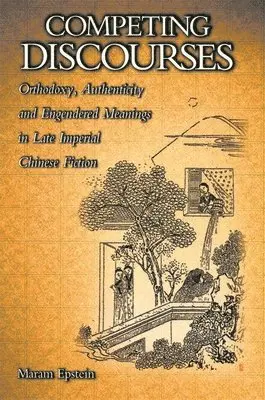
Competing Discourses
Orthodoxy, Authenticity, and Engendered Meanings in Late Imperial Chinese Fiction
Inbunden, Engelska, 2001
367 kr
Skickas inom 7-10 vardagar
In the traditional Chinese symbolic vocabulary, the construction of gender was never far from debates about ritual propriety, desire, and even cosmic harmony. Competing Discourses maps the aesthetic and semantic meanings associated with gender in the Ming-Qing vernacular novel through close readings of five long narratives: Marriage Bonds to Awaken the World, Dream of the Red Chamber, A Country Codger's Words of Exposure, Flowers in the Mirror, and A Tale of Heroic Lovers. Epstein argues that the authors of these novels manipulated gendered terms to achieve structural coherence. These patterns are, however, frequently at odds with other gendered structures in the texts, and authors exploited these conflicts to discuss the problem of orthodox behavior versus the cult of feeling.
Del 425 - Harvard East Asian Monographs
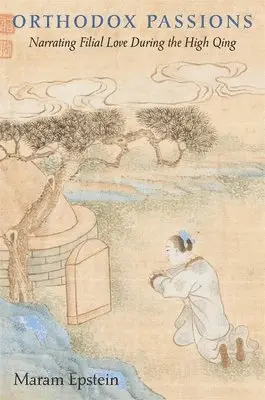
Orthodox Passions
Narrating Filial Love during the High Qing
Inbunden, Engelska, 2019
626 kr
Skickas inom 7-10 vardagar
In this groundbreaking interdisciplinary study, Maram Epstein identifies filial piety as the dominant expression of love in Qing dynasty texts. At a time when Manchu regulations made chastity the primary metaphor for obedience and social duty, filial discourse increasingly embraced the dramatic and passionate excesses associated with late-Ming chastity narratives.Qing texts, especially those from the Jiangnan region, celebrate modes of filial piety that conflicted with the interests of the patriarchal family and the state. Analyzing filial narratives from a wide range of primary texts, including local gazetteers, autobiographical and biographical nianpu records, and fiction, Epstein shows the diversity of acts constituting exemplary filial piety. This context, Orthodox Passions argues, enables a radical rereading of the great novel of manners The Story of the Stone (ca. 1760), whose absence of filial affections and themes make it an outlier in the eighteenth-century sentimental landscape. By decentering romantic feeling as the dominant expression of love during the High Qing, Orthodox Passions calls for a new understanding of the affective landscape of late imperial China.