Marc Bulterys – författare
Visar alla böcker från författaren Marc Bulterys. Handla med fri frakt och snabb leverans.
5 produkter
5 produkter
799 kr
Skickas inom 7-10 vardagar
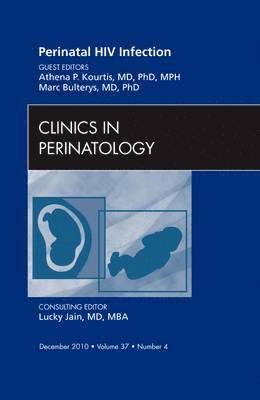
This issue of Clinics in Perinatology, guest edited by Drs. Athena Kourtis and Marc Bulterys, examines Perinatal HIV/AIDS. Authorities in the field have come together to offer reviews on topics including Epidemiology of perinatal HIV infection: US and worldwide; Biology of perinatal HIV transmission: Timing, virologic and immunologic factors; Viral sequencing from HIV-infected mothers and infants: Molecular evolution, diversity, and risk factors for mother-to-child transmission; Diagnosis of perinatally-acquired HIV infection; Prevention of mother-to-child transmission of HIV: Antiretroviral strategies; Prevention of mother-to-child transmission of HIV: The role of Cesarean section; International recommendations for prevention of mother-to-child transmission of HIV; Immune-based approaches: active and passive immunization; Breastfeeding and HIV: Biology of transmission and current state-of-the-art regarding prevention; HIV drug resistance and mother-to-child transmission of HIV; Survival and health benefits of breastfeeding versus artificial feeding in infants of HIV-infected women: Developing vs. developed world; Clinical care of the HIV-exposed infant of HIV-infected mothers; Clinical care of the HIV-infected infants; Issues of prematurity and HIV exposure/infection; and Antiretroviral pharmacology: Special issues regarding pregnant women and neonates.
Human Immunodeficiency Virus type 1 (HIV-1) and Breastfeeding
Science, Research Advances, and Policy
Inbunden, Engelska, 2012
1 637 kr
Skickas inom 10-15 vardagar
The HIV pandemic continues to levy a heavy burden on the human race world-wide. The estimated number of people who became newly infected with HIV in 2009 was 2.6 million; most of these individuals live in Sub-Saharan Africa, followed by India and Southeast Asia. An estimated 370,000 new cases of pediatric infections occurred globally in 2009 (or more than 1,000 new infections every day), practically all of them through mother-to-child transmission. Up to 40% of all new infant HIV infections occur during breastfeeding. While breastfeeding by HIV-infected mothers is not recommended in the U.S. and other resource-rich settings where safe replacement feeding is easily available, the situation is different in many resource-limited settings, where replacement feeding is not safe or available and carries a high risk of infections (diarrhea, pneumonia) and infant malnutrition. Mothers in such settings are faced with a difficult dilemma: to breastfeed their infants in order to provide theirinfants with its many benefits (nutritional, immunologic, cognitive), but to also risk transmitting HIV. These challenges have prompted an intensive search for new prophylactic and therapeutic strategies in order to prevent infants from acquiring HIV infection through breastfeeding. In this book, expert HIV researchers critically review every aspect of this highly evolving and topical subject. The opening chapters deal with the epidemiology, global magnitude and biologic mechanisms of HIV-1 transmission from mother to child through breastfeeding and include considerations of the virus (quantity, compartments, characteristics) and the host (genetic, immunity-innate, cellular, humoral). The effects of breastfeeding on the HIV-infected mother’s health and nutritional status, and the social and cultural issues associated with the practice of breastfeeding are also discussed. The next few chapters provide cutting-edge reviews of the latest approaches to prevention of HIV transmission to the infant through breastfeeding, including antiretroviral strategies, nutritional and immune-based approaches, and treatment of expressed breast milk. The remaining chapters provide a fascinating review of the many iterations this subject has received, as reflected in the several different sets of guidelines for infant feeding by HIV-infected mothers issued by the World Health Organization, and a debate by leading scientists on whether HIV-infected mothers should breastfeed their infants-in resource-limited and in resource-rich settings. A comprehensive overview of the current state of implementing the new evidence for prevention of breastfeeding transmission of HIV all over the world is also presented. Essential reading for the many disciplines of scientists and clinicians working on HIV/AIDS and other retroviruses, pediatricians, obstetricians/gynecologists, as well as all health-care professionals interested in expanding their understanding on the subject.
Human Immunodeficiency Virus type 1 (HIV-1) and Breastfeeding
Science, Research Advances, and Policy
Häftad, Engelska, 2016
2 089 kr
Skickas inom 5-8 vardagar
These challenges have prompted an intensive search for new prophylactic and therapeutic strategies in order to prevent infants from acquiring HIV infection through breastfeeding. In this book, expert HIV researchers critically review every aspect of this highly evolving and topical subject.
1 854 kr
Skickas inom 10-15 vardagar
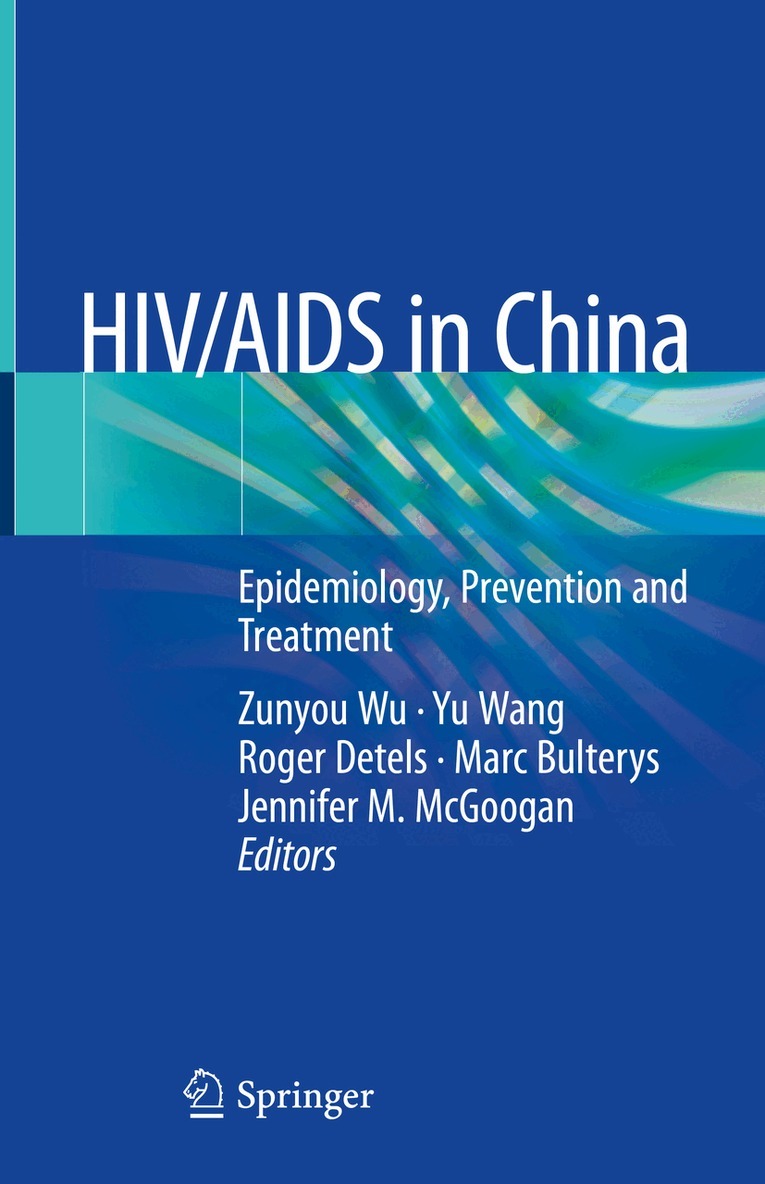
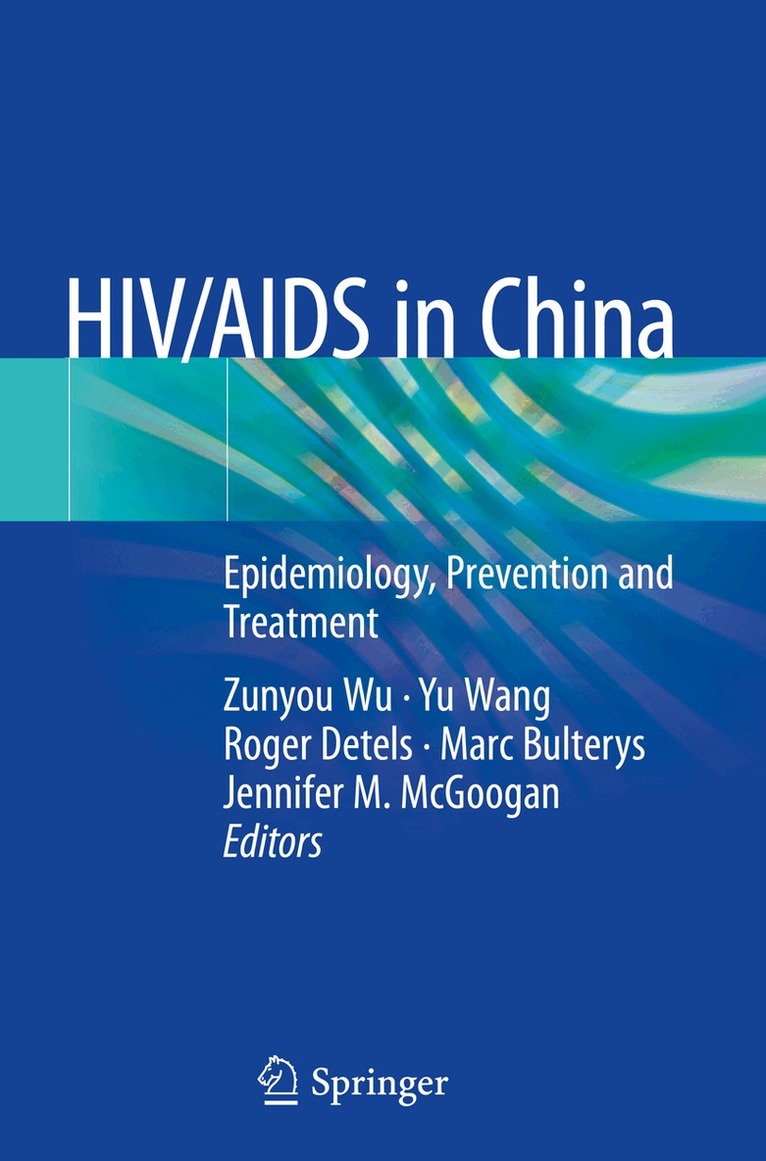
With HIV becoming the leading cause of infectious-disease mortality in Mainland China, this book focuses on tackling HIV/AIDS in the face of rapid political and economic change in China. Featuring contributions by over a dozen leading figures in the field, this book is the go-to text for any student or reader interested in how national and international organizations’ are attempting to control this epidemic. The book includes chapters on the epidemiology, treatment, and prevention of HIV, as well as several chapters that discuss in detail specific provincial- and national-level programs to control and treat HIV. It chronicles the Chinese government’s amazing about-face, as it replaced underfunded, non-evidence based policy decisions with successful, science-based approaches to disease control and prevention, including the adoption of once controversial needle-exchange programs and the establishment of a national HIV/AIDS data registry. It measures the success of national policy decisions, the implementation of treatment policies, and discusses the difficulty of accessing high-risk communities, including people who inject drugs, sex workers, and men who have sex with men – groups not easy to reach, study, engage in prevention programs, or treatment, for fear of stigmatization and loss of social status. Further, it documents the spread of HIV to other provinces, and the tragedy that befell repeat plasma donors in Henan and other poor provinces, where reused or improperly sterilized lab equipment caused some villages to have epidemic-level incidence rates. This book represents a positive contribution to the field of AIDS research, making vital, new information available to an interested readership.
1 311 kr
Skickas inom 10-15 vardagar
The book includes chapters on the epidemiology, treatment, and prevention of HIV, as well as several chapters that discuss in detail specific provincial- and national-level programs to control and treat HIV.