Marc E. Lavoie – författare
Visar alla böcker från författaren Marc E. Lavoie. Handla med fri frakt och snabb leverans.
6 produkter
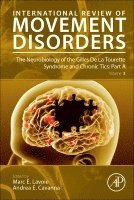
The Neurobiology of the Gilles De La Tourette Syndrome and Chronic Tics: Part A
Av Marc E. Lavoie, Andrea E. Cavanna
Inbunden, 2022
2122 kr
Lägg i varukorg
The Neurobiology of the Gilles de la Tourette Syndrome and Chronic Tics, Volume Three reviews historical background and current nosology and guidelines. In addition, it includes an overview of pathophysiology, ranging from its genetic basis and changes in neurochemistry and electrophysiology to …
The Neurobiology of the Gilles De La Tourette Syndrome and Chronic Tics: Part B
Av Marc E. Lavoie, Andrea E. Cavanna
Inbunden, 2022
2122 kr
Lägg i varukorg
The Neurobiology of the Gilles de la Tourette Syndrome and Chronic Tics, Part B, Volume Four reviews historical background, current nosology and guidelines. In addition, it includes an overview of pathophysiology, ranging from its genetic basis and changes in neurochemistry and electrophysiology to …
Managing Tic and Habit Disorders
A Cognitive Psychophysiological Treatment Approach with Acceptance Strategies
Av Kieron P. O'Connor, Marc E. Lavoie m. fl.
Inbunden, 2017
1379 kr
Lägg i varukorg
A pioneering guide for the management of tics and habit disordersManaging Tic and Habit Disorders: A Cognitive Psychophysiological Approach with Acceptance Strategies is a complete client and therapist program for dealing with tics and habit disorders. Groundbreaking and evidence-based, it …
Managing Tic and Habit Disorders
A Cognitive Psychophysiological Treatment Approach with Acceptance Strategies
Av Kieron P. O'Connor, Marc E. Lavoie m. fl.
Häftad, 2017
628 kr
Lägg i varukorg
A pioneering guide for the management of tics and habit disordersManaging Tic and Habit Disorders: A Cognitive Psychophysiological Approach with Acceptance Strategies is a complete client and therapist program for dealing with tics and habit disorders. Groundbreaking and evidence-based, it …
Managing Tic and Habit Disorders
A Cognitive Psychophysiological Treatment Approach with Acceptance Strategies
Av Benjamin Schoendorff, Marc E. Lavoie m. fl.
E-bok, 2017
721 kr
Lägg i varukorg
A pioneering guide for the management of tics and habit disorders Managing Tic and Habit Disorders: A Cognitive Psychophysiological Approach with Acceptance Strategies is a complete client and therapist program for dealing with tics and habit disorders. Groundbreaking and evidence-based, it …
Managing Tic and Habit Disorders
A Cognitive Psychophysiological Treatment Approach with Acceptance Strategies
Av Benjamin Schoendorff, Marc E. Lavoie m. fl.
E-bok, 2017
1594 kr
Lägg i varukorg
A pioneering guide for the management of tics and habit disorders Managing Tic and Habit Disorders: A Cognitive Psychophysiological Approach with Acceptance Strategies is a complete client and therapist program for dealing with tics and habit disorders. Groundbreaking and evidence-based, it …