Marcella Frangipane – författare
Visar alla böcker från författaren Marcella Frangipane. Handla med fri frakt och snabb leverans.
7 produkter
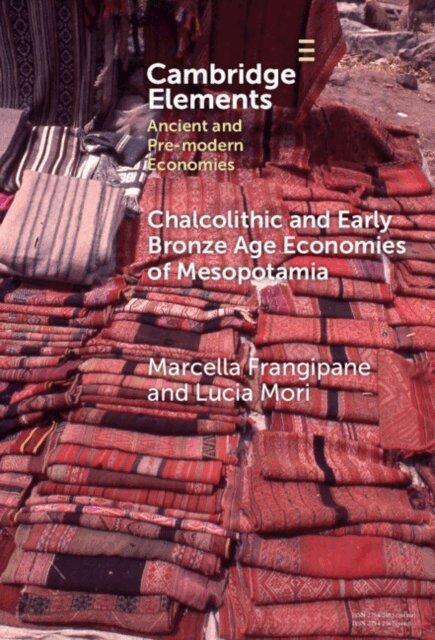
Chalcolithic and Early Bronze Age Economies of Mesopotamia
4th and 3rd Millennia BCE
Av Lucia Mori, Marcella Frangipane
E-bok, 2026
303 kr
Lägg i varukorg
Chalcolithic and Early Bronze Age Economies of Mesopotamia
4th and 3rd Millennia BCE
Av Marcella Frangipane, Lucia Mori
Häftad, 2026
308 kr
Lägg i varukorg
The Element reconstructs economic developments in the crucial phase of State formation in Mesopotamia, from the 4th to early 3rd millennium BCE, trying to understand how interrelating environmental, social, economic, and political factors in the two main areas of Mesopotamia profoundly changed the …
Chalcolithic and Early Bronze Age Economies of Mesopotamia
4th and 3rd Millennia BCE
Av Lucia Mori, Marcella Frangipane
E-bok, 2026
303 kr
Lägg i varukorg
Chalcolithic and Early Bronze Age Economies of Mesopotamia
4th and 3rd Millennia BCE
Av Marcella Frangipane, Lucia Mori
Inbunden, 2026
911 kr
Lägg i varukorg
The Element reconstructs economic developments in the crucial phase of State formation in Mesopotamia, from the 4th to early 3rd millennium BCE, trying to understand how interrelating environmental, social, economic, and political factors in the two main areas of Mesopotamia profoundly changed the …
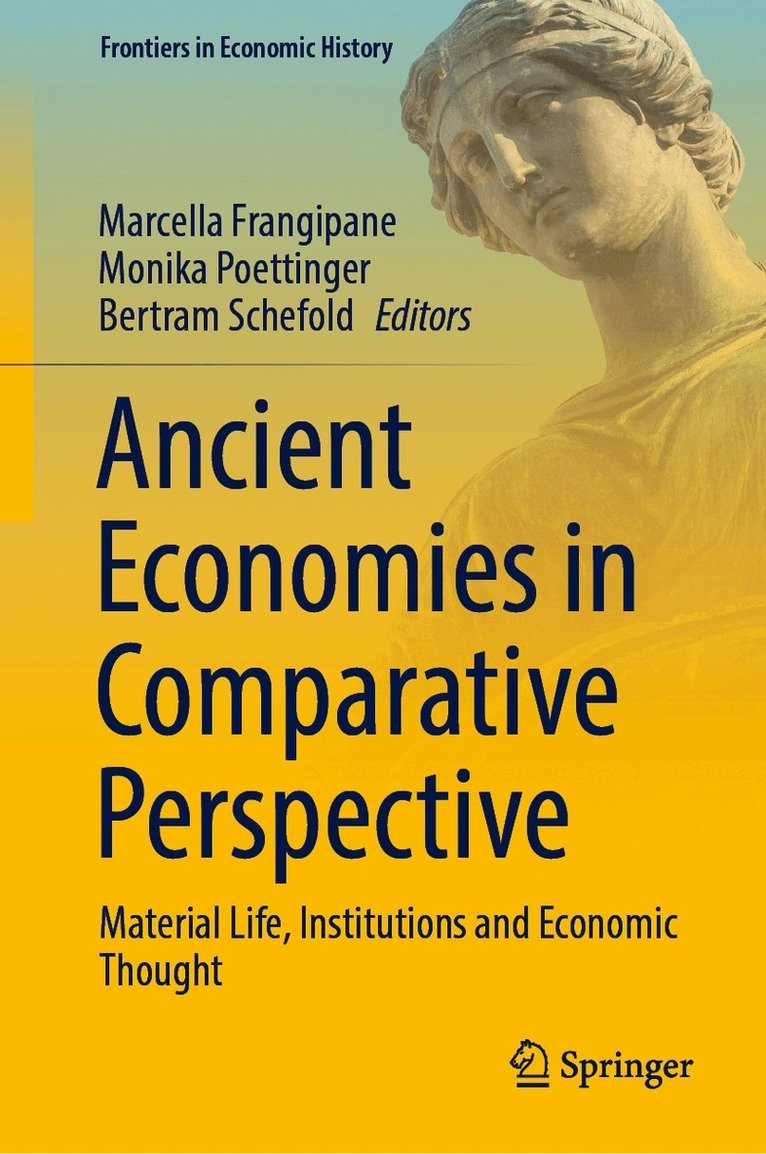
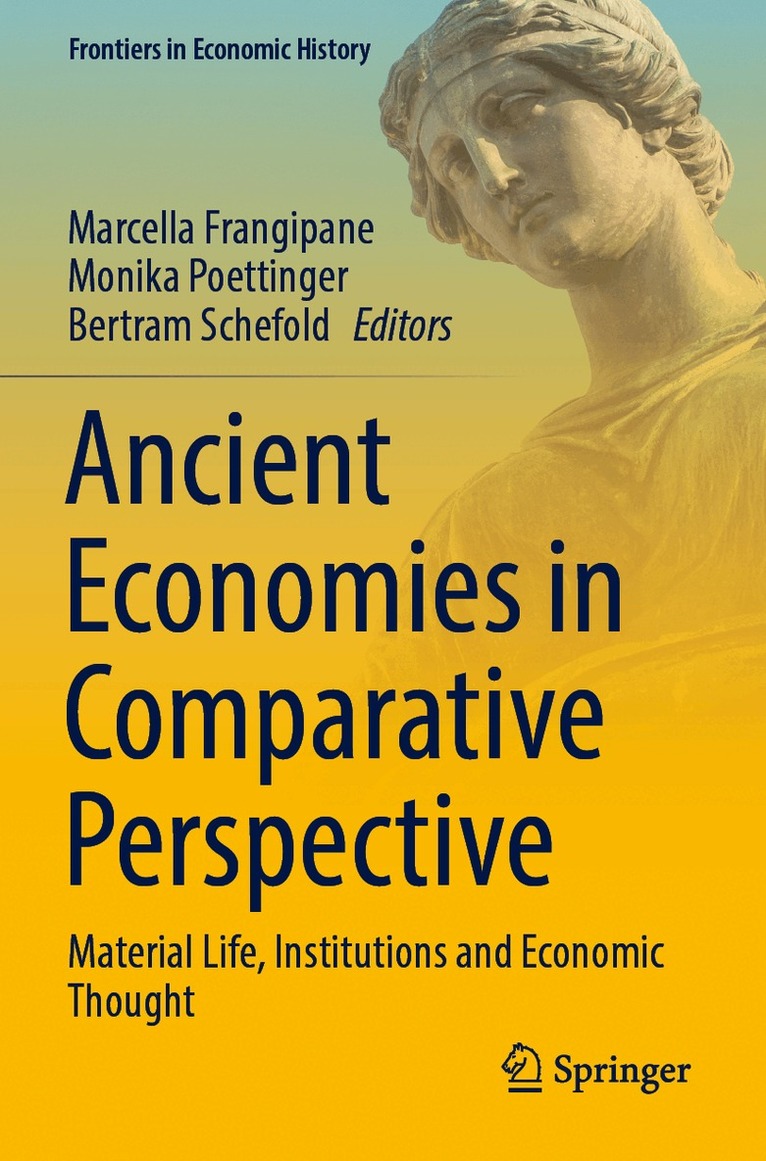
Ancient Economies in Comparative Perspective
Material Life, Institutions and Economic Thought
Av Marcella Frangipane, Monika Poettinger m. fl.
Inbunden, 2022
1355 kr
Lägg i varukorg
This book investigates the economic organization of ancient societies from a comparative perspective. By pursuing an interdisciplinary approach, including contributions by archaeologists, historians of antiquity, economic historians as well as historians of economic thought, it studies various …
Ancient Economies in Comparative Perspective
Material Life, Institutions and Economic Thought
Av Bertram Schefold, Monika Poettinger m. fl.
E-bok, 2022
1955 kr
Lägg i varukorg
This book investigates the economic organization of ancient societies from a comparative perspective. By pursuing an interdisciplinary approach, including contributions by archaeologists, historians of antiquity, economic historians as well as historians of economic thought, it studies various …
Ancient Economies in Comparative Perspective
Material Life, Institutions and Economic Thought
Av Marcella Frangipane, Monika Poettinger m. fl.
Häftad, 2023
1355 kr
Lägg i varukorg
This book investigates the economic organization of ancient societies from a comparative perspective. By pursuing an interdisciplinary approach, including contributions by archaeologists, historians of antiquity, economic historians as well as historians of economic thought, it studies various …