Marcello Fantoni – författare
Visar alla böcker från författaren Marcello Fantoni. Handla med fri frakt och snabb leverans.
5 produkter
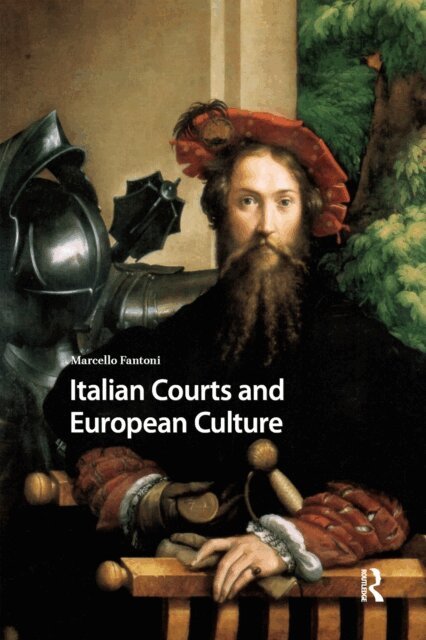
Italian Courts and European Culture
E-bok, 2025
767 kr
Lägg i varukorg
Between the fifteenth and the eighteenth century, princely courts dominated the Italian political scene. These courts were effervescent centers of cultural production. As such, they became a model for European monarchies who imported Italian courtly forma del vivere ('style of life') to legitimize …
Italian Courts and European Culture
E-bok, 2025
767 kr
Lägg i varukorg
Between the fifteenth and the eighteenth century, princely courts dominated the Italian political scene. These courts were effervescent centers of cultural production. As such, they became a model for European monarchies who imported Italian courtly forma del vivere ('style of life') to legitimize …
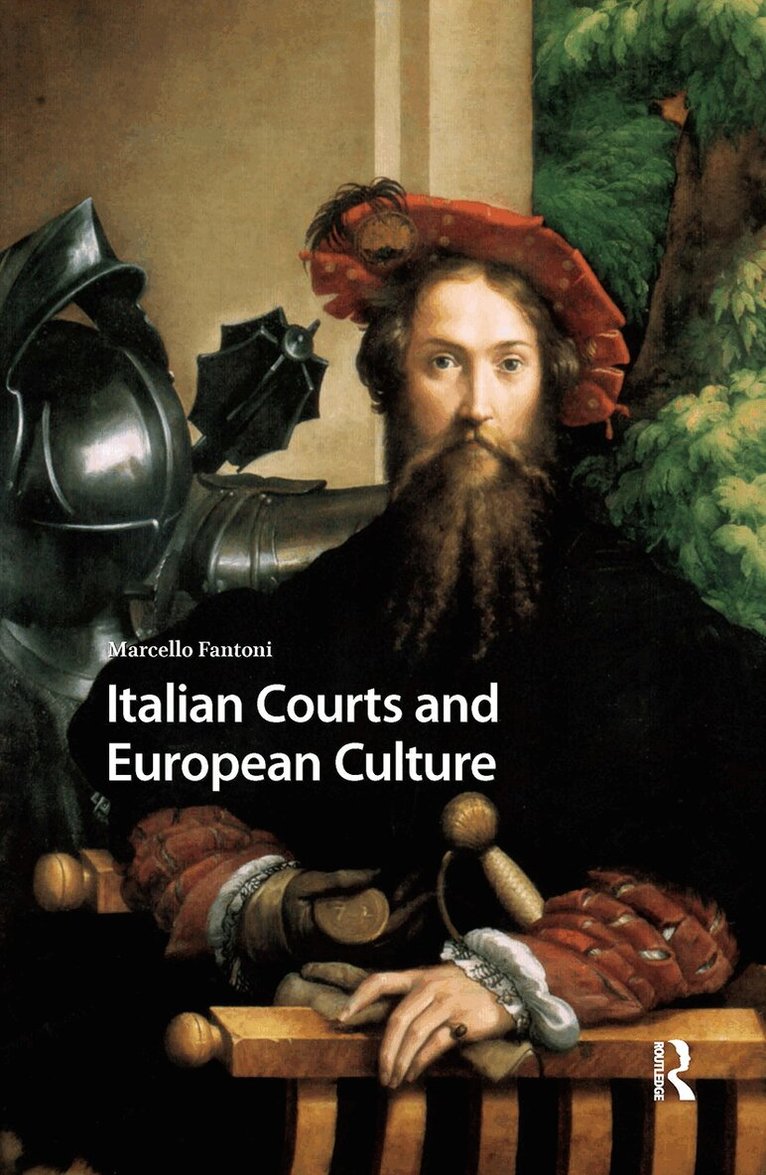
Italian Courts and European Culture
Häftad, 2025
725 kr
Lägg i varukorg
Between the fifteenth and the eighteenth century, princely courts dominated the Italian political scene. These courts were effervescent centers of cultural production. As such, they became a model for European monarchies who imported Italian courtly forma del vivere (‘style of life’) to legitimize …
Italian Courts and European Culture
Inbunden, 2022
2190 kr
Lägg i varukorg
This book offers a comprehensive reconstruction of the Italian geo-political map focused on courts (thirteenth - seventeenth centuries) and analyses the homogeneity of political forms and of the Italian Christian-Classicist culture.