Marcelo Hoffman – författare
Visar alla böcker från författaren Marcelo Hoffman. Handla med fri frakt och snabb leverans.
5 produkter
5 produkter
859 kr
Skickas
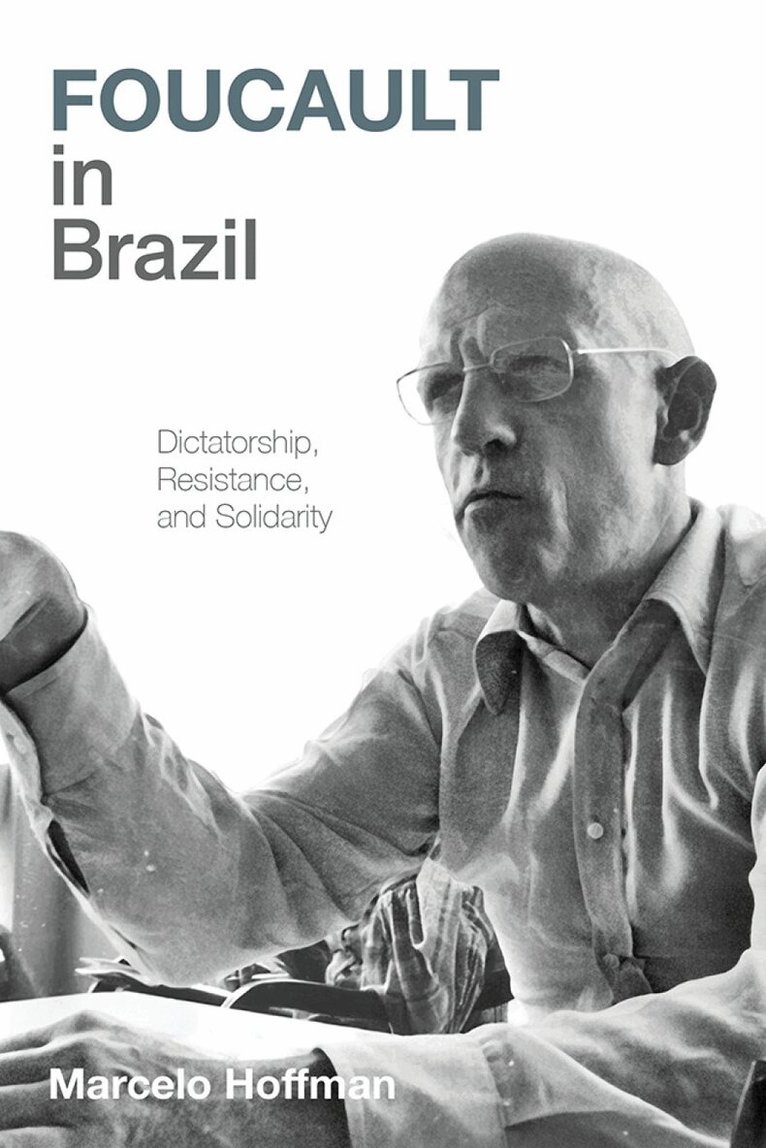
Philosopher Michel Foucault’s cultural criticism crosses disciplines and is well known as an influence on modern conceptions of knowledge and power. Less well known are the five trips he took to Brazil between 1965 and 1976\. Although a coup in 1964 had installed a military dictatorship, Foucault kept his opinion on the Brazilian government largely to himself until October 23, 1975\. On that date, he delivered a manifesto at a student assembly in São Paulo expressing his solidarity with students and professors protesting a wave of arrests and torture. This manifesto caught the government’s attention and became the focal point of the dictatorship’s surveillance of Foucault. Foucault in Brazil explores the production of the public antagonism between the philosopher and the dictatorship through a meticulous consideration of each of his visits to Brazil. Marcelo Hoffman connects history, philosophy, and political theory to open new ways of thinking about Foucault as a person and thinker and about Brazil and authoritarianism.
1 057 kr
Skickas inom 5-8 vardagar
Offers a history of the role of investigations in radical political struggles from the nineteenth century forward.Militant Acts presents a broad history of the concept and practice of investigations in radical political struggles from the nineteenth century to the present. Radicals launched investigations into the conditions and struggles of the oppressed and exploited to stimulate their political mobilization and organization. These investigations assumed a variety of methodological forms in a wide range of geographical and institutional contexts, and they also drew support from the participation of intellectuals such as Marx, Lenin, Mao, Dunayevskaya, Foucault, and Badiou. Marcelo Hoffman analyzes newspapers, pamphlets, reports, and other source materials, which reveal the diverse histories, underappreciated difficulties, and theoretical import of investigations in radical political struggles. In so doing, he challenges readers to rethink the supposed failure of these investigations and concludes that the value of investigations in radical political struggles ultimately resides in the possibility of producing a new political "we."
566 kr
Skickas inom 3-6 vardagar
Offers a history of the role of investigations in radical political struggles from the nineteenth century forward.Militant Acts presents a broad history of the concept and practice of investigations in radical political struggles from the nineteenth century to the present. Radicals launched investigations into the conditions and struggles of the oppressed and exploited to stimulate their political mobilization and organization. These investigations assumed a variety of methodological forms in a wide range of geographical and institutional contexts, and they also drew support from the participation of intellectuals such as Marx, Lenin, Mao, Dunayevskaya, Foucault, and Badiou. Marcelo Hoffman analyzes newspapers, pamphlets, reports, and other source materials, which reveal the diverse histories, underappreciated difficulties, and theoretical import of investigations in radical political struggles. In so doing, he challenges readers to rethink the supposed failure of these investigations and concludes that the value of investigations in radical political struggles ultimately resides in the possibility of producing a new political "we."
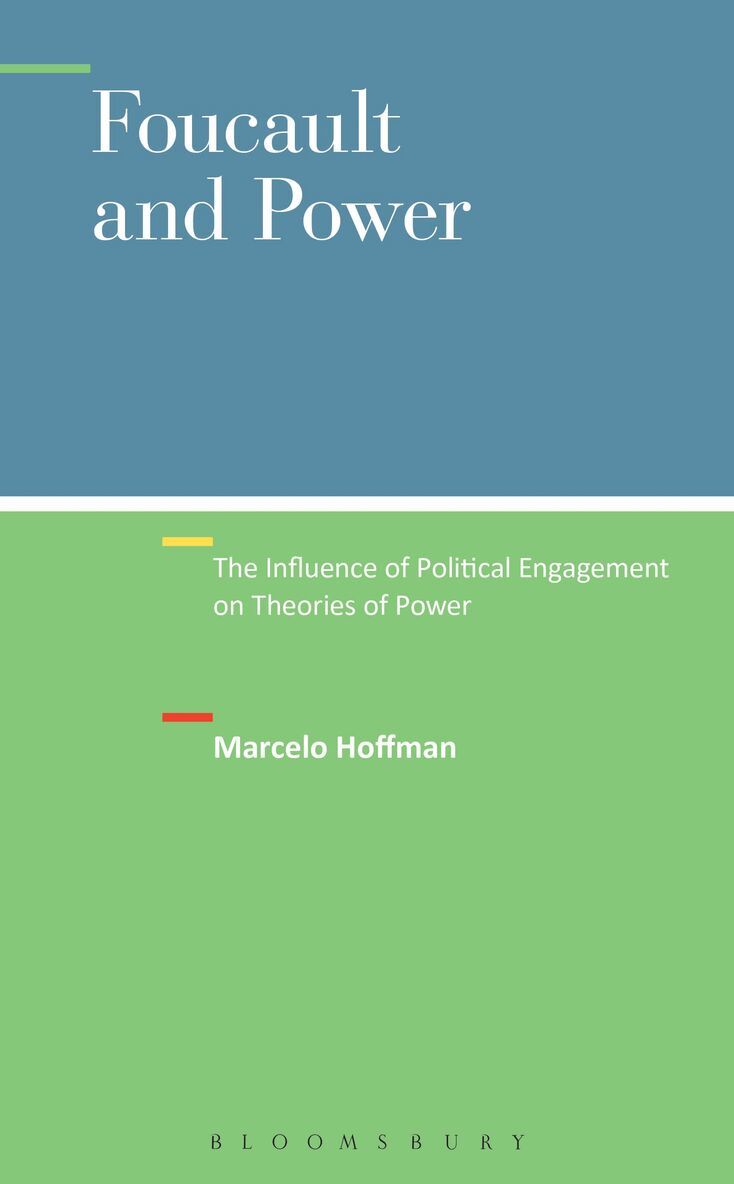
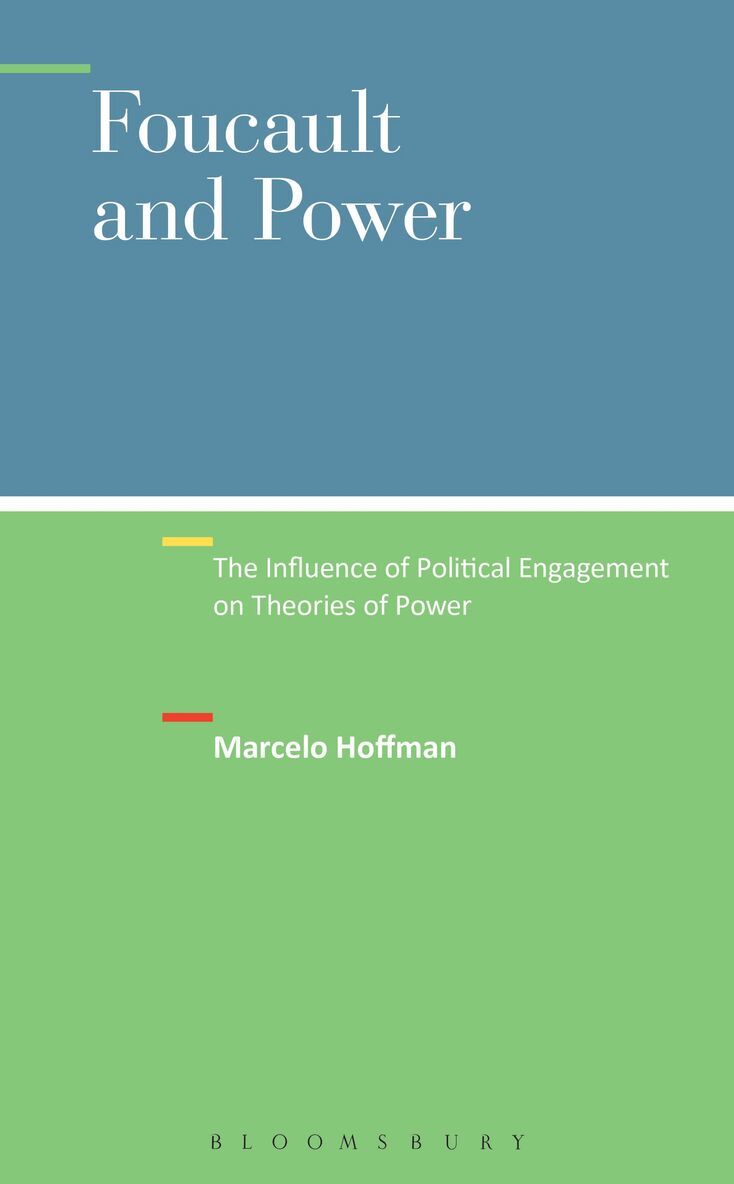
Foucault and Power
The Influence of Political Engagement on Theories of Power
Inbunden, Engelska, 2014
1 833 kr
Skickas inom 10-15 vardagar
Michel Foucault is one of the most preeminent theorists of power, yet the relationship between his militant activities and his analysis of power remains unclear. The book explores this relationship to explain the development of Foucault's thinking about power.Using newly translated and unpublished materials, it examines what led Foucault to take on the question of power in the early 1970s and subsequently refine his thinking, working through different models (war and government) and modalities (disciplinary, biopolitical and governmental). Looking at Foucault's political trajectory, from his immersion in the prisoner support movement to his engagements with the Iranian revolution and Solidarity in Poland, the book shows the militant underpinning of his interest in the question of power and its various shifts and mutations.This thorough account, which includes the first translation of a report edited by Foucault on prison conditions, will provide students in contemporary political theory with a better understanding of Foucault's thinking about power and of the interplay between political activities and theoretical productions.
528 kr
Skickas inom 10-15 vardagar
Michel Foucault is one of the most preeminent theorists of power, yet the relationship between his militant activities and his analysis of power remains unclear. The book explores this relationship to explain the development of Foucault's thinking about power.Using newly translated and unpublished materials, it examines what led Foucault to take on the question of power in the early 1970s and subsequently refine his thinking, working through different models (war and government) and modalities (disciplinary, biopolitical and governmental). Looking at Foucault's political trajectory, from his immersion in the prisoner support movement to his engagements with the Iranian revolution and Solidarity in Poland, the book shows the militant underpinning of his interest in the question of power and its various shifts and mutations.This thorough account, which includes the first translation of a report edited by Foucault on prison conditions, will provide students in contemporary political theory with a better understanding of Foucault's thinking about power and of the interplay between political activities and theoretical productions.