Marcia Esparza – författare
Visar alla böcker från författaren Marcia Esparza. Handla med fri frakt och snabb leverans.
8 produkter
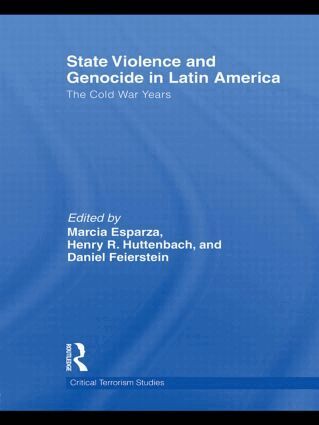
State Violence and Genocide in Latin America
The Cold War Years
Av Marcia Esparza, Henry R. Huttenbach m. fl.
Inbunden, 2009
2586 kr
Lägg i varukorg
This edited volume explores political violence and genocide in Latin America during the Cold War, examining this in light of the United States’ hegemonic position on the continent. Using case studies based on the regimes of Argentina, Chile, Guatemala, Peru and Uruguay, this book shows how U.S …
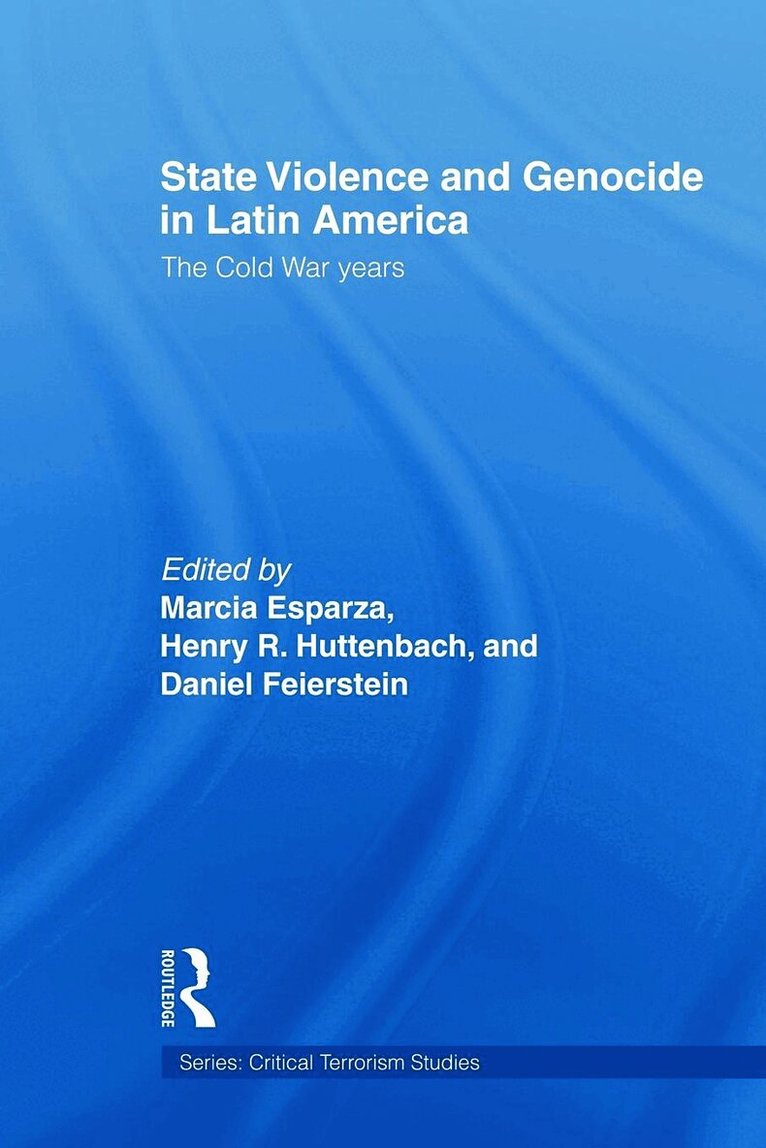
State Violence and Genocide in Latin America
The Cold War Years
Av Marcia Esparza, Henry R. Huttenbach m. fl.
Häftad, 2011
757 kr
Lägg i varukorg
This edited volume explores political violence and genocide in Latin America during the Cold War, examining this in light of the United States’ hegemonic position on the continent. Using case studies based on the regimes of Argentina, Chile, Guatemala, Peru and Uruguay, this book shows how U.S …
State Violence and Genocide in Latin America
The Cold War Years
Av Daniel Feierstein, Henry R. Huttenbach m. fl.
E-bok, 2009
866 kr
Lägg i varukorg
This edited volume explores political violence and genocide in Latin America during the Cold War, examining this in light of the United States’ hegemonic position on the continent. Using case studies based on the regimes of Argentina, Chile, Guatemala, Peru and Uruguay, this book shows how U.S …
State Violence and Genocide in Latin America
The Cold War Years
Av Daniel Feierstein, Henry R. Huttenbach m. fl.
E-bok, 2009
866 kr
Lägg i varukorg
This edited volume explores political violence and genocide in Latin America during the Cold War, examining this in light of the United States’ hegemonic position on the continent. Using case studies based on the regimes of Argentina, Chile, Guatemala, Peru and Uruguay, this book shows how U.S …
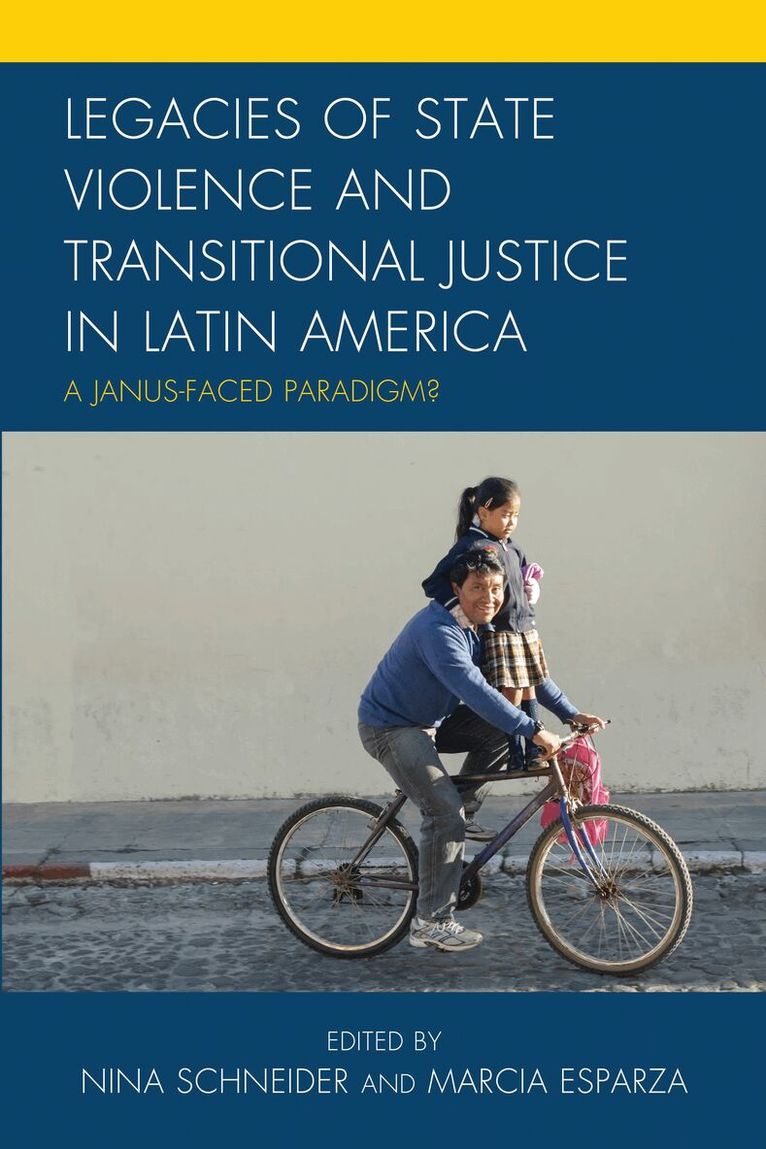
Legacies of State Violence and Transitional Justice in Latin America
A Janus-Faced Paradigm?
Av Nina Schneider, Marcia Esparza
Inbunden, 2015
1321 kr
Lägg i varukorg
Legacies of State Violence and Transitional Justice in Latin America presents a nuanced and evidence-based discussion of both the acceptance and co-optation of the transitional justice framework and its potential abuses in the context of the struggle to keep the memory of the past alive and hold …
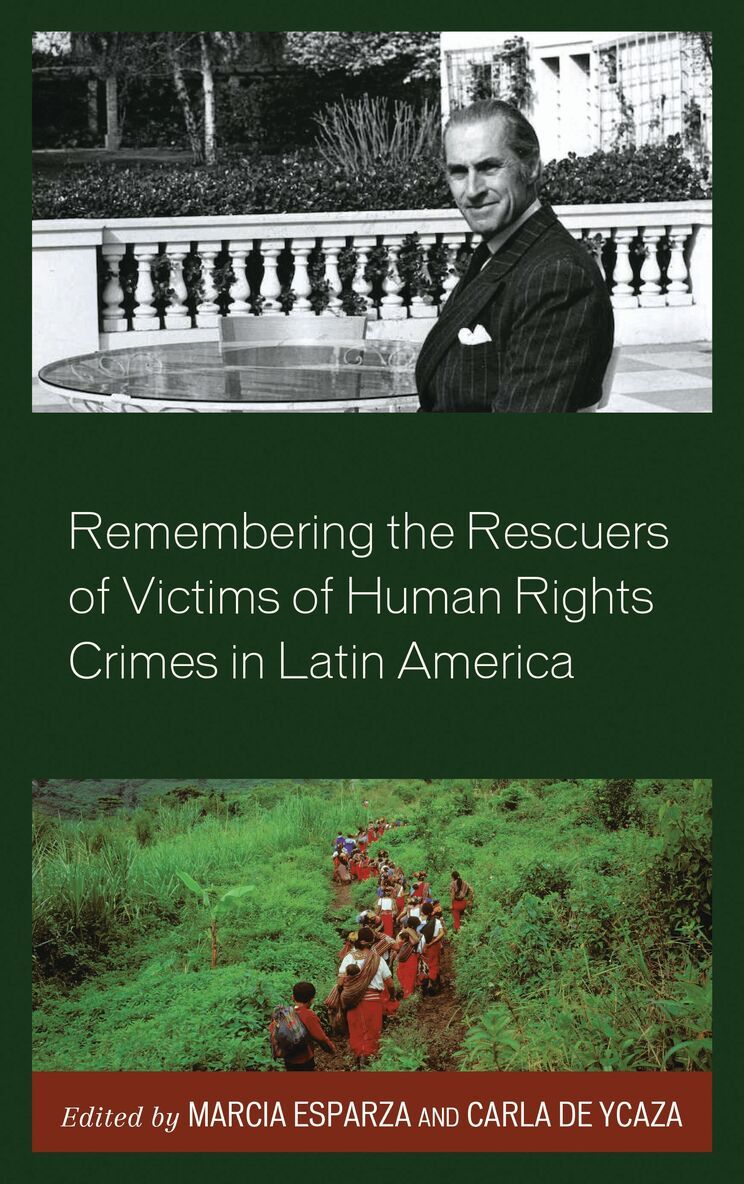
Remembering the Rescuers of Victims of Human Rights Crimes in Latin America
Av Marcia Esparza, Carla De Ycaza
Inbunden, 2016
1248 kr
Lägg i varukorg
This book explores the significance of remembering the rescuers denouncing human rights crimes as well as protecting and sheltering targeted victims—including the dead—during the Cold War state violence in Latin America. In light of newly unearthed archival evidence, testimonial memories, and the …
Silenced Communities
Legacies of Militarization and Militarism in a Rural Guatemalan Town
Inbunden, 2017
1921 kr
Lägg i varukorg
Although the Guatemalan Civil War ended more than two decades ago, its bloody legacy continues to resonate even today. In Silenced Communities, author Marcia Esparza offers an ethnographic account of the failed demilitarization of the rural militia in the town of Santo Tomás Chichicastenango …
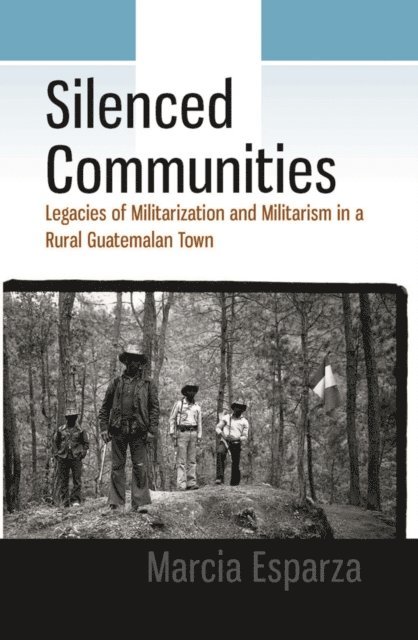
Silenced Communities
Legacies of Militarization and Militarism in a Rural Guatemalan Town
E-bok, 2017
326 kr
Lägg i varukorg
Although the Guatemalan Civil War ended more than two decades ago, its bloody legacy continues to resonate even today. In Silenced Communities , author Marcia Esparza offers an ethnographic account of the failed demilitarization of the rural militia in the town of Santo Tomás Chichicastenango …