Marco Imperadori – författare
Visar alla böcker från författaren Marco Imperadori. Handla med fri frakt och snabb leverans.
6 produkter
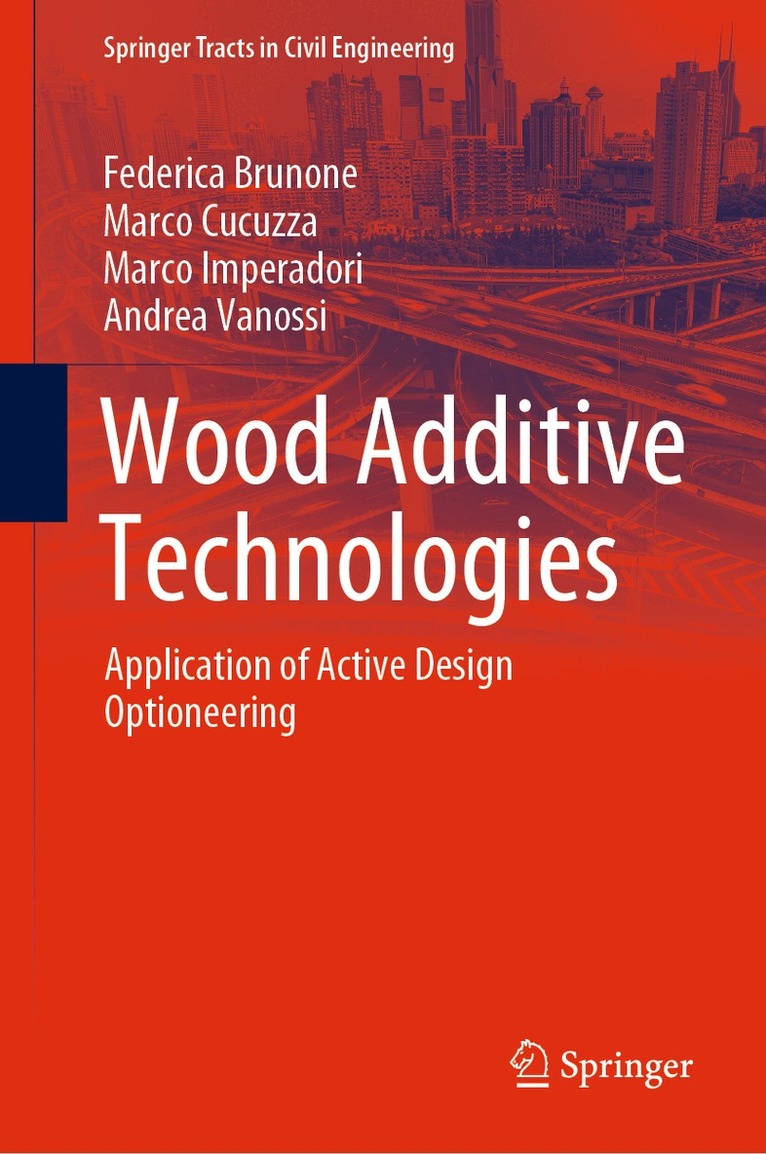
Wood Additive Technologies
Application of Active Design Optioneering
Av Federica Brunone, Marco Cucuzza m. fl.
Inbunden, 2021
736 kr
Lägg i varukorg
The book encodes a vision for the actively sustainable management and development of the built environment by referring to the application of timber-based construction systems as additive solutions for the multi-purpose improvement of existing buildings. It translates this vision into an innovative …
Wood Additive Technologies
Application of Active Design Optioneering
Av Andrea Vanossi, Marco Imperadori m. fl.
E-bok, 2021
923 kr
Lägg i varukorg
The book encodes a vision for the actively sustainable management and development of the built environment by referring to the application of timber-based construction systems as additive solutions for the multi-purpose improvement of existing buildings. It translates this vision into an innovative …
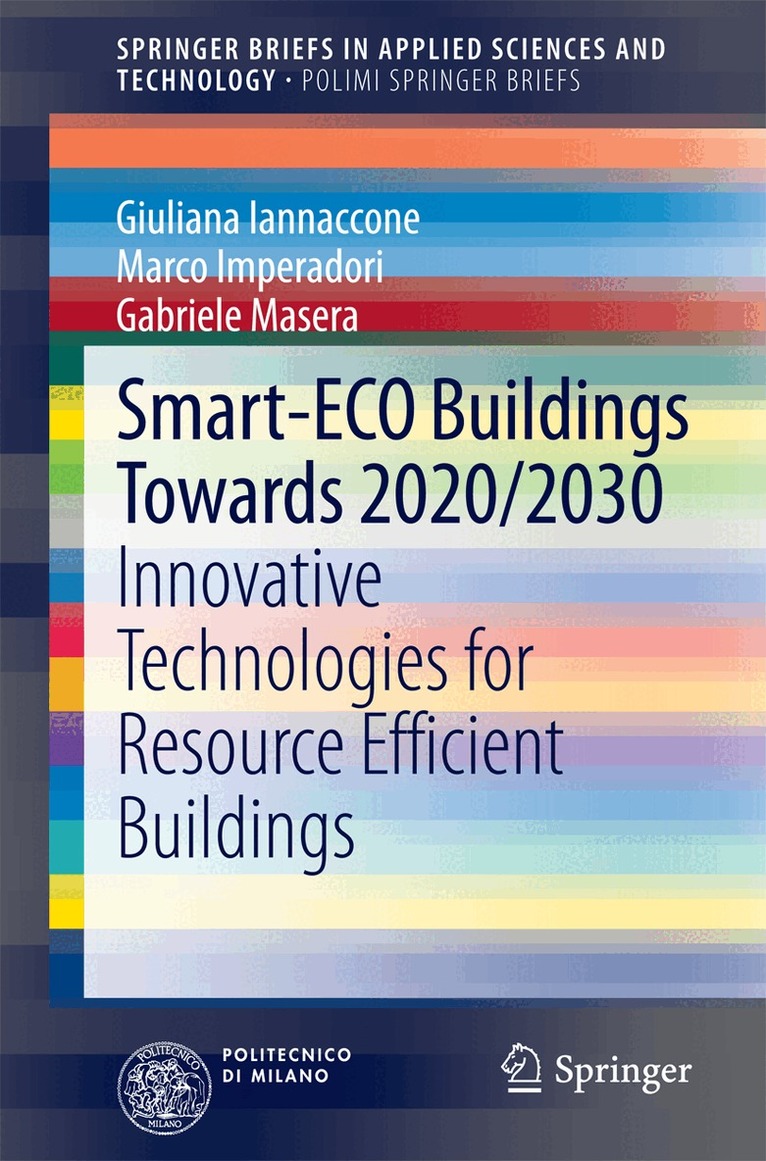
Smart-ECO Buildings towards 2020/2030
Innovative Technologies for Resource Efficient Buildings
Av Giuliana Iannaccone, Marco Imperadori m. fl.
Häftad, 2014
568 kr
Lägg i varukorg
The book aims to provide a basis for design and construction of resource-efficient buildings. The main concepts follow the vision of a European Sustainable Building as defined in the 2-years Smart-ECO research project funded by European Commission under the Sixth Framework Program. The focus is …
Smart-ECO Buildings towards 2020/2030
Innovative Technologies for Resource Efficient Buildings
Av Gabriele Masera, Marco Imperadori m. fl.
E-bok, 2014
734 kr
Lägg i varukorg
The book aims to provide a basis for design and construction of resource-efficient buildings. The main concepts follow the vision of a European Sustainable Building as defined in the 2-years Smart-ECO research project funded by European Commission under the Sixth Framework Program. The focus is …
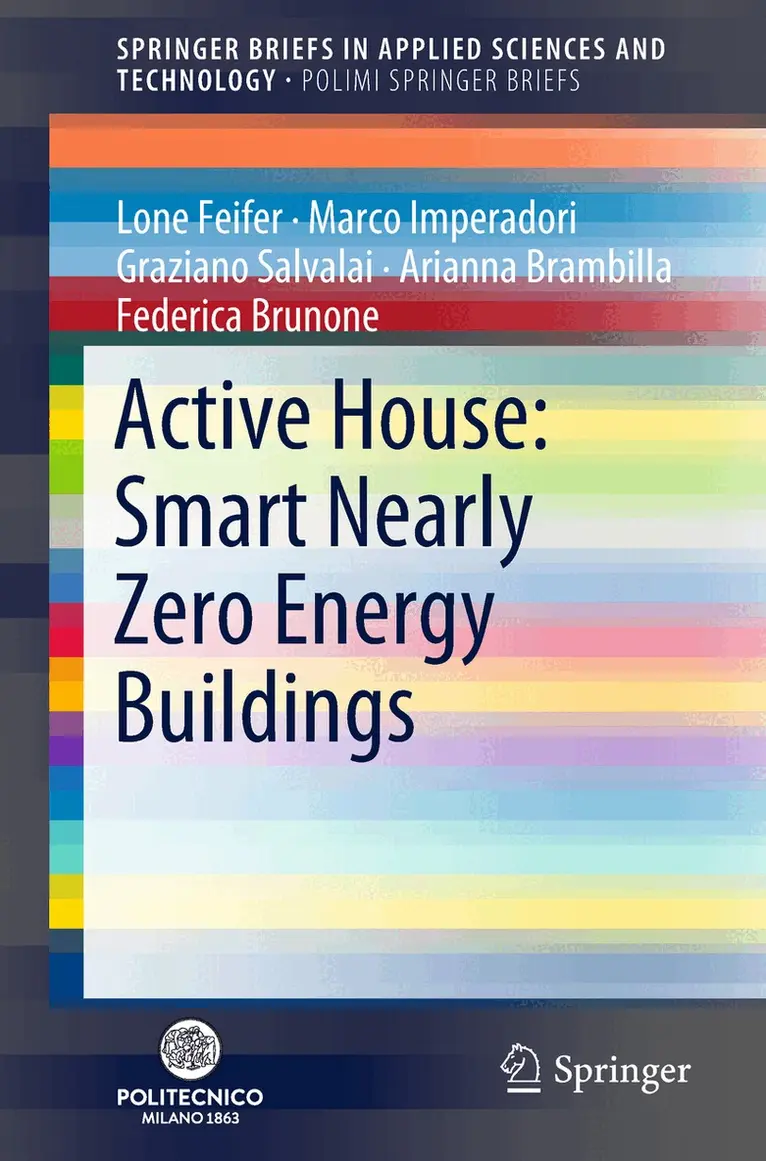
Active House: Smart Nearly Zero Energy Buildings
Av Lone Feifer, Marco Imperadori m. fl.
Häftad, 2018
736 kr
Lägg i varukorg
The book provides an overview of the Active House (AH) vision, intended as a building design method “beyond” the passive approach for buildings of the future that will be more and more connected, smart and innovative. It offers a novel philosophical design approach in which buildings, new or …
Active House: Smart Nearly Zero Energy Buildings
Av Federica Brunone, Arianna Brambilla m. fl.
E-bok, 2018
923 kr
Lägg i varukorg
The book provides an overview of the Active House (AH) vision, intended as a building design method “beyond” the passive approach for buildings of the future that will be more and more connected, smart and innovative. It offers a novel philosophical design approach in which buildings, new or …