Marcus Anthony Hunter – författare
Visar alla böcker från författaren Marcus Anthony Hunter. Handla med fri frakt och snabb leverans.
11 produkter
11 produkter
Häftad, Engelska, 2026
134 kr
Skickas
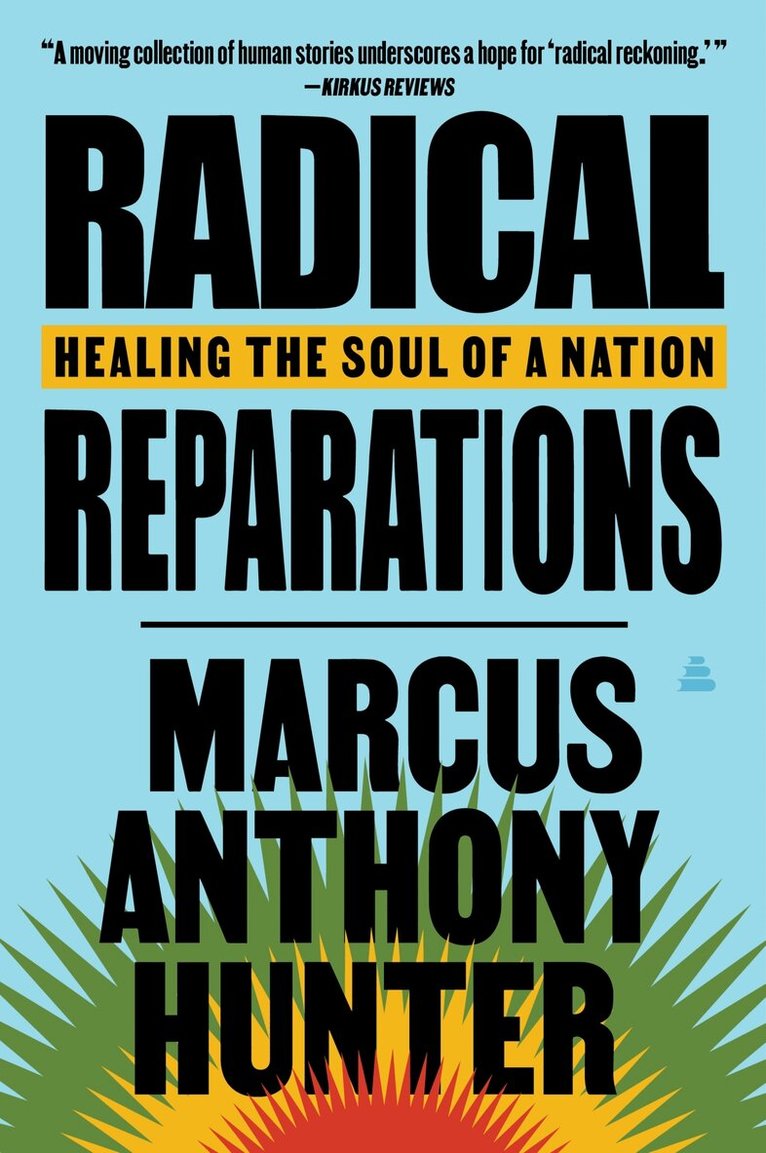
“An urgent call to action, a manifesto for justice, and a blueprint for a more equitable America. . . .It's time we confront our history head-on, and Radical Reparations provides the necessary tools.” —Congresswoman Barbara LeeA timely groundbreaking book in the vein of Derrick Bell's Faces at the Bottom of the Well, one of the country's foremost voices on reparations, offers a radical and vital new framework going beyond the current debate over this controversial issue.For over a century, the idea of reparations for the descendants of enslaved Black Americans has divided the United States. However, while the iconic phrase "40 acres and a mule" encapsulates the general notion of reparations, history has proven that the damages of enslavement on the African American community far exceed what a plot of land or a check could repair. While reparations are being widely debated once again, current petitions to redress the lasting and collateral consequences of slavery have not moved past economic solutions, even though we know that monetary redress alone is not enough. Not only would many wounds be left unhealed, but relying solely on economics would continue a legacy of neglect for African Americans. In this thoughtful and sure-to-be controversial book, Marcus Anthony Hunter argues that a radical shift in our outlook is necessary; we need more comprehensive solutions such as those currently sought by today's educators, historians, activists, organizers, Afrofuturists, and socially conscious citizens. In Radical Reparations, this conversation shifter, social justice pioneer, change agent, and inventor of the hashtag #BlackLivesMatter, which redefined the global conversation on racism and social justice, offers a unifying and unconventional framework for achieving holistic and comprehensive healing of African American communities. Hunter reimagines reparations through a profound new lens as he defines seven types of compensation: political, intellectual, legal, economic, spatial, social, and spiritual, using analysis of historical documents, comparative international cases, and speculative parables. Profound and revolutionary, trenchant and timely, Radical Reparations provides a compellingly and provocatively reframing of reparations' past, present, and future, offering a unifying way forward for us all.
Inbunden, Engelska, 2025
2 144 kr
Skickas inom 5-8 vardagar
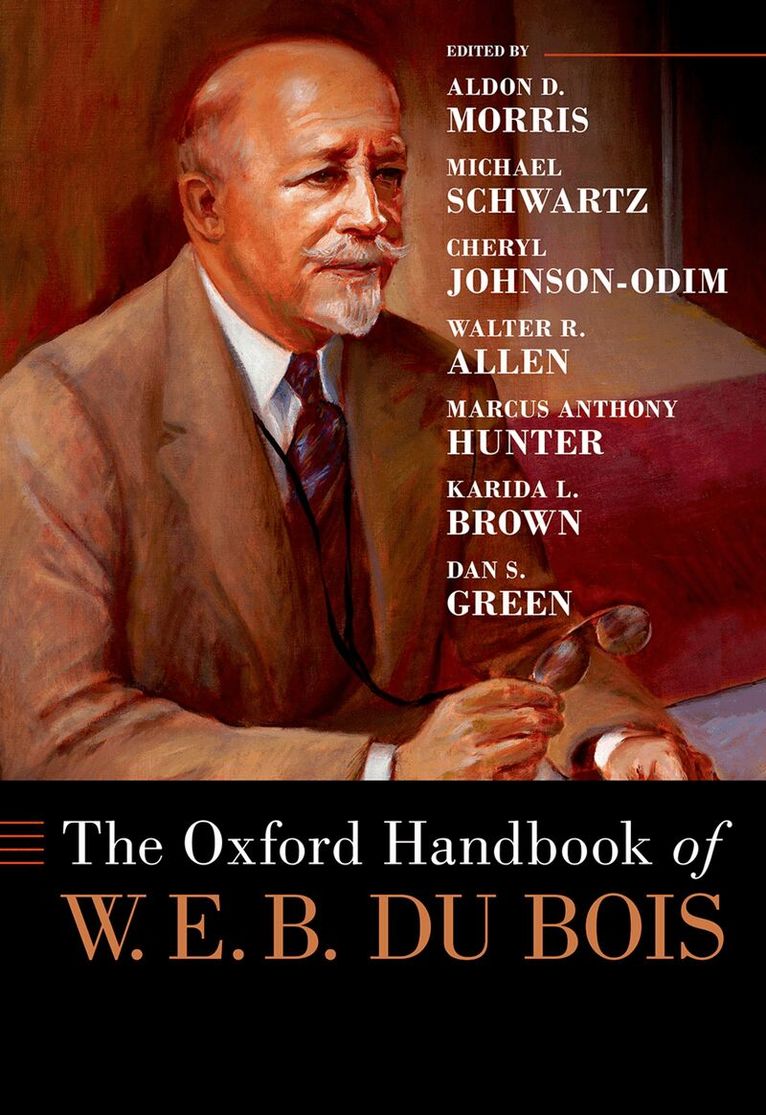
The Oxford Handbook of W. E. B. Du Bois is a work detailing the life and works of the twentieth century scholar and activist, W. E. B. Du Bois. It contains fifty chapters covering the multidimensional life and works of Du Bois. The contributing authors are experts on the topics about Du Bois which they authored. Because Du Bois was a prodigious twentieth century scholar and activist, these chapters delve into the numerous contributions he made in these domains. The Handbook is written in a clear accessible style enabling scholars, students, and the public to understand this complex and controversial historical figure. Du Bois is a fascinating figure because he lived for 95 years and often changed his ideas and activism as he grew over time. Du Bois's scholarship and activism addressed numerous historical developments and major social movements. The Handbook follows these tumultuous times where Du Bois struggled to make sense of the role that race, and racism, played in the development of the modern world. In so doing, this volume excavates the many lessons Du Bois's scholarship and activism hold for the contemporary world. The Handbook will serve as a guidepost for the emerging Du Boisian scholarship that has developed among scholars and students within and beyond the academy. It will assist in clarifying and enhancing the paradigm shifts Du Bois's work is currently generating in numerous intellectual disciplines and activist circles. The Oxford Handbook of W. E. B. Du Bois will stir needed debates for many years that are crucial for democracy to remain vital and flourishing.
E-bok
PDF, Engelska, 20241 897 kr
Läs direkt efter köp
The Oxford Handbook of W. E. B. Du Bois is a work detailing the life and works of the twentieth century scholar and activist, W. E. B. Du Bois. It contains fifty chapters covering the multidimensional life and works of Du Bois. The contributing authors are experts on the topics about Du Bois which they authored. Because Du Bois was a prodigious twentieth century scholar and activist, these chapters delve into the numerous contributions he made in these domains. The Handbook is written in a clear accessible style enabling scholars, students, and the public to understand this complex and controversial historical figure. Du Bois is a fascinating figure because he lived for 95 years and often changed his ideas and activism as he grew over time. Du Bois's scholarship and activism addressed numerous historical developments and major social movements. The Handbook follows these tumultuous times where Du Bois struggled to make sense of the role that race, and racism, played in the development of the modern world. In so doing, this volume excavates the many lessons Du Bois's scholarship and activism hold for the contemporary world. The Handbook will serve as a guidepost for the emerging Du Boisian scholarship that has developed among scholars and students within and beyond the academy. It will assist in clarifying and enhancing the paradigm shifts Du Bois's work is currently generating in numerous intellectual disciplines and activist circles. The Oxford Handbook of W. E. B. Du Bois will stir needed debates for many years that are crucial for democracy to remain vital and flourishing.
E-bok
Engelska, 20241 897 kr
Läs direkt efter köp
The Oxford Handbook of W. E. B. Du Bois is a work detailing the life and works of the twentieth century scholar and activist, W. E. B. Du Bois. It contains fifty chapters covering the multidimensional life and works of Du Bois. The contributing authors are experts on the topics about Du Bois which they authored. Because Du Bois was a prodigious twentieth century scholar and activist, these chapters delve into the numerous contributions he made in these domains. The Handbook is written in a clear accessible style enabling scholars, students, and the public to understand this complex and controversial historical figure. Du Bois is a fascinating figure because he lived for 95 years and often changed his ideas and activism as he grew over time. Du Bois's scholarship and activism addressed numerous historical developments and major social movements. The Handbook follows these tumultuous times where Du Bois struggled to make sense of the role that race, and racism, played in the development of the modern world. In so doing, this volume excavates the many lessons Du Bois's scholarship and activism hold for the contemporary world. The Handbook will serve as a guidepost for the emerging Du Boisian scholarship that has developed among scholars and students within and beyond the academy. It will assist in clarifying and enhancing the paradigm shifts Du Bois's work is currently generating in numerous intellectual disciplines and activist circles. The Oxford Handbook of W. E. B. Du Bois will stir needed debates for many years that are crucial for democracy to remain vital and flourishing.
Häftad, Engelska, 2015
431 kr
Skickas inom 5-8 vardagar
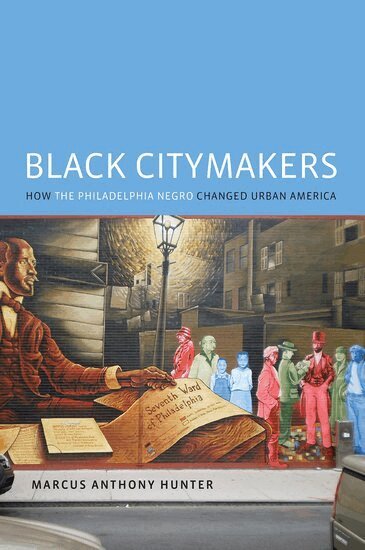
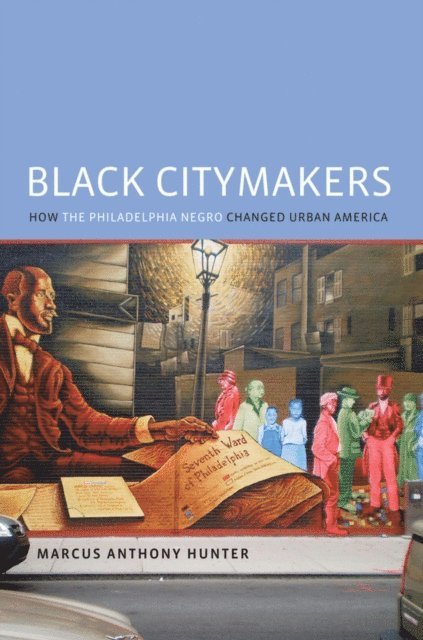
W.E.B. DuBois immortalized Philadelphia's Black Seventh Ward neighborhood, one of America's oldest urban black communities, in his 1899 sociological study The Philadelphia Negro. In the century after DuBois's study, however, the district has been transformed into a largely white upper middle class neighborhood.Black Citymakers revisits the Black Seventh Ward, documenting a century of banking and tenement collapses, housing activism, black-led anti-urban renewal mobilization, and post-Civil Rights political change from the perspective of the Black Seventh Warders. Drawing on historical, political, and sociological research, Marcus Hunter argues that black Philadelphians were by no means mere casualties of the large scale social and political changes that altered urban dynamics across the nation after World War II. Instead, Hunter shows that black Americans framed their own understandings of urban social change, forging dynamic inter- and intra-racial alliances that allowed them to shape their own migration from the old Black Seventh Ward to emergent black urban enclaves throughout Philadelphia. These Philadelphians were not victims forced from their homes - they were citymakers and agents of urban change.Black Citymakers explores a century of socioeconomic, cultural, and political history in the Black Seventh Ward, creating a new understanding of the political agency of black residents, leaders and activists in twentieth century urban change.
E-bok
Engelska, 2013407 kr
Läs direkt efter köp
W.E.B. DuBois immortalized Philadelphia''s Black Seventh Ward neighborhood, one of America''s oldest urban black communities, in his 1899 sociological study The Philadelphia Negro. In the century after DuBois''s study, however, the district has been transformed into a largely white upper middle class neighborhood.Black Citymakers revisits the Black Seventh Ward, documenting a century of banking and tenement collapses, housing activism, black-led anti-urban renewal mobilization, and post-Civil Rights political change from the perspective of the Black Seventh Warders. Drawing on historical, political, and sociological research, Marcus Hunter argues that black Philadelphians were by no means mere casualties of the large scale social and political changes that altered urban dynamics across the nation after World War II. Instead, Hunter shows that black Americans framed their own understandings of urban social change, forging dynamic inter- and intra-racial alliances that allowed them to shape their own migration from the old Black Seventh Ward to emergent black urban enclaves throughout Philadelphia. These Philadelphians were not victims forced from their homes - they were citymakers and agents of urban change.Black Citymakers explores a century of socioeconomic, cultural, and political history in the Black Seventh Ward, creating a new understanding of the political agency of black residents, leaders and activists in twentieth century urban change.
E-bok
PDF, Engelska, 2013407 kr
Läs direkt efter köp
W.E.B. DuBois immortalized Philadelphia''s Black Seventh Ward neighborhood, one of America''s oldest urban black communities, in his 1899 sociological study The Philadelphia Negro. In the century after DuBois''s study, however, the district has been transformed into a largely white upper middle class neighborhood.Black Citymakers revisits the Black Seventh Ward, documenting a century of banking and tenement collapses, housing activism, black-led anti-urban renewal mobilization, and post-Civil Rights political change from the perspective of the Black Seventh Warders. Drawing on historical, political, and sociological research, Marcus Hunter argues that black Philadelphians were by no means mere casualties of the large scale social and political changes that altered urban dynamics across the nation after World War II. Instead, Hunter shows that black Americans framed their own understandings of urban social change, forging dynamic inter- and intra-racial alliances that allowed them to shape their own migration from the old Black Seventh Ward to emergent black urban enclaves throughout Philadelphia. These Philadelphians were not victims forced from their homes - they were citymakers and agents of urban change.Black Citymakers explores a century of socioeconomic, cultural, and political history in the Black Seventh Ward, creating a new understanding of the political agency of black residents, leaders and activists in twentieth century urban change.
Inbunden, Engelska, 2018
1 116 kr
Skickas inom 5-8 vardagar
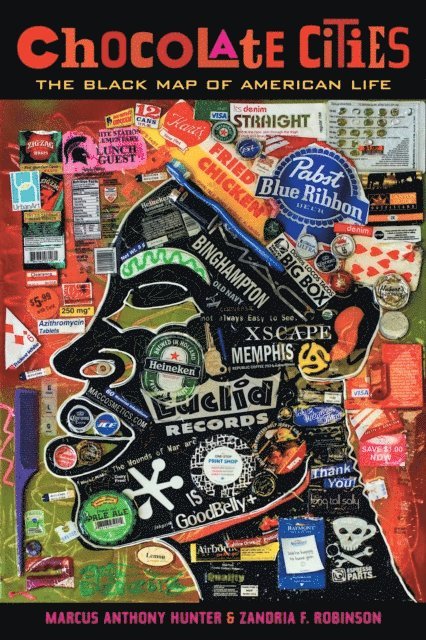
When you think of a map of the United States, what do you see? Now think of the Seattle that begot Jimi Hendrix. The Dallas that shaped Erykah Badu. The Holly Springs, Mississippi that compelled Ida B. Wells to activism against lynching. The Birmingham where Martin Luther King, Jr. penned his most famous missive. Now how do you see the United States? Chocolate Cities offers a new cartography of the U.S.-a "Black Map" that more accurately reflects the lived experiences and the future of Black life in America. Drawing on cultural sources such as film, music, fiction, and plays alongside traditional resources like census data, oral histories, ethnographies, and health and wealth data, the book offers a new perspective for analyzing, mapping, and understanding the ebbs and flows of the Black American experience-all in the cities, towns, neighborhoods, and communities that they create and defend. Black maps are consequentially different from our current geographical understanding of race and place in America. And as the U.S. moves toward a majority minority society, Chocolate Cities provides a broad and necessary assessment of how racial and ethnic minorities make and change America's social, economic, and political landscape.
Häftad, Engelska, 2018
359 kr
Skickas inom 5-8 vardagar
When you think of a map of the United States, what do you see? Now think of the Seattle that begot Jimi Hendrix. The Dallas that shaped Erykah Badu. The Holly Springs, Mississippi, that compelled Ida B. Wells to activism against lynching. The Birmingham where Martin Luther King, Jr., penned his most famous missive. Now how do you see the United States? Chocolate Cities offers a new cartography of the United States-a "Black Map" that more accurately reflects the lived experiences and the future of Black life in America. Drawing on cultural sources such as film, music, fiction, and plays, and on traditional resources like Census data, oral histories, ethnographies, and health and wealth data, the book offers a new perspective for analyzing, mapping, and understanding the ebbs and flows of the Black American experience-all in the cities, towns, neighborhoods, and communities that Black Americans have created and defended. Black maps are consequentially different from our current geographical understanding of race and place in America.And as the United States moves toward a majority minority society, Chocolate Cities provides a broad and necessary assessment of how racial and ethnic minorities make and change America's social, economic, and political landscape.
E-bok
Engelska, 2018418 kr
Läs direkt efter köp
From Central District Seattle to Harlem to Holly Springs, Black people have built a dynamic network of cities and towns where Black culture is maintained, created, and defended. But imagine—what if current maps of Black life are wrong? Chocolate Cities offers a refreshing and persuasive rendering of the United States—a “Black map” that more accurately reflects the lived experiences and the future of Black life in America. Drawing on film, fiction, music, and oral history, Marcus Anthony Hunter and Zandria F. Robinson trace the Black American experience of race, place, and liberation, mapping it from Emancipation to now. As the United States moves toward a majority minority society, Chocolate Cities provides a provocative, broad, and necessary assessment of how racial and ethnic minorities make and change America’s social, economic, and political landscape.
Häftad, Engelska, 2021
190 kr
Skickas inom 3-6 vardagar