Margaret A. Shupnik – författare
Visar alla böcker från författaren Margaret A. Shupnik. Handla med fri frakt och snabb leverans.
3 produkter
3 produkter
Inbunden, Engelska, 2000
2 238 kr
Skickas inom 10-15 vardagar
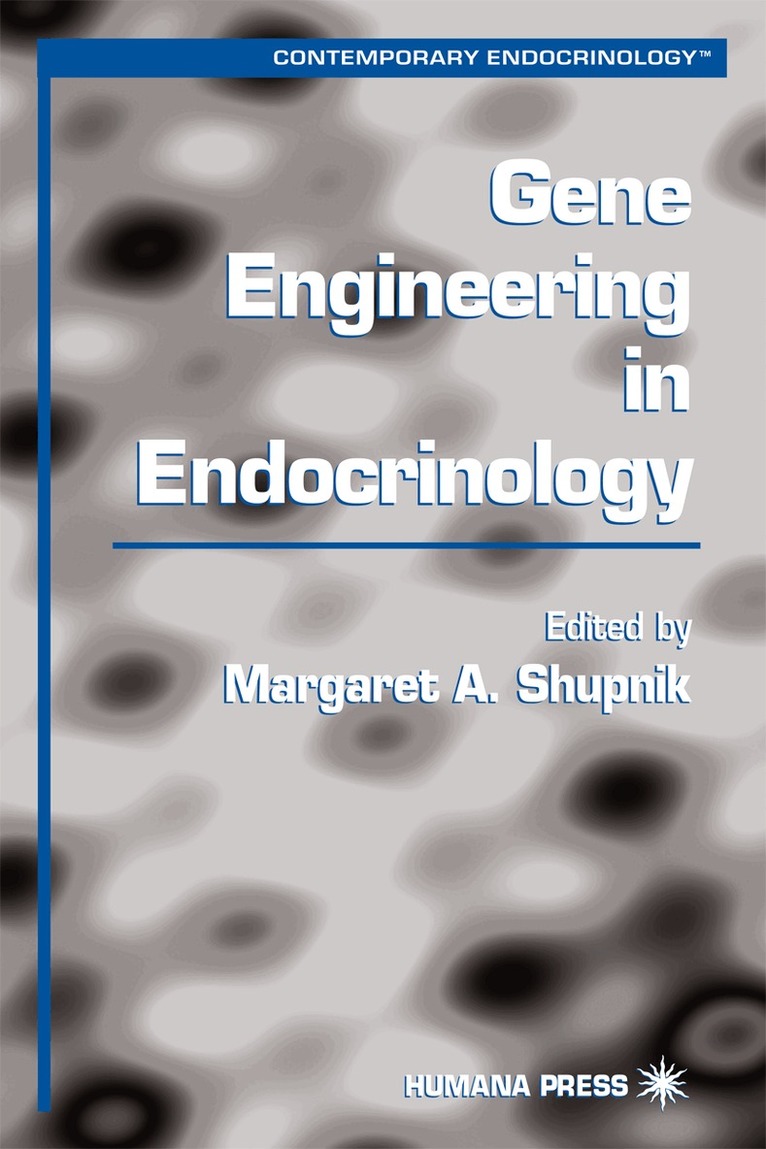
Margaret Shupnik and a team of leading investigators review the most recent breakthroughs in molecular endocrinology, emphasizing how studies of natural mutations and gene knockouts have illuminated endocrine processes. Using both animal and human model data, these authoritative researchers examine in depth the molecular basis of development, growth, and reproductive processes, the specific mutations that explain certain genetic syndromes, the hormonal regulation of gene expression (which affects the treatment of infertility and steroid-dependent cancers), and current research directions. Comprehensive and up-to-date, Gene Engineering in Endocrinology offers today's experimental and clinical endocrinologists, as well as reproductive biologists, a richly informative survey of what has already been accomplished with the genetic engineering of hormone processes and hormone-related genetic syndromes - research that promises powerful new experimental and therapeutic opportunities as this field continues its rapid development.
E-bok
PDF, Engelska, 20002 848 kr
Läs direkt efter köp
During the past five to ten years, a variety of tools has been developed in the disciplines of both gene engineering, and molecular and structural biology. Some of these advances have permitted scientists not only to identify and characterize genes, but also to target these genes by disruption, thus eliminating their function in living animals, and to det- mine the biological responses to altered gene products. This has particular significance in endocrine systems, in which feedback mechanisms between the hypothalamus, pi- itary, and end organs are critical in normal physiology. Interpretation of the physiological significance, or the site of action of specific molecules in this context, has been difficult prior to transgenic technology. Major advances have occurred specifically in the areas of growth and development, and of reproduction. Coupled with analysis of naturally occurring mutations in humans, the use of transgenic animals and in vitro systems has recently allowed endocrinologists to understand the importance of specific thyroid hormone receptor isoforms in vivo, the molecular basis for generalized resistance to thyroid hormones via mutations in the nuclear receptor, and mechanisms for suppressing gene transcription. Previously designated “orphan rec- tors,” such as steroidogenic factor-1, were demonstrated to have critical roles in dev- opment and reproduction. Other nuclear receptors—including those for thyroid hormone, estrogens, androgens, and progesterone—were shown to bind to coactivator and co- pressor proteins that modified their transcriptional activity, and contributed to the ce- specific effects of the hormones.
Häftad, Engelska, 2010
2 461 kr
Skickas inom 10-15 vardagar
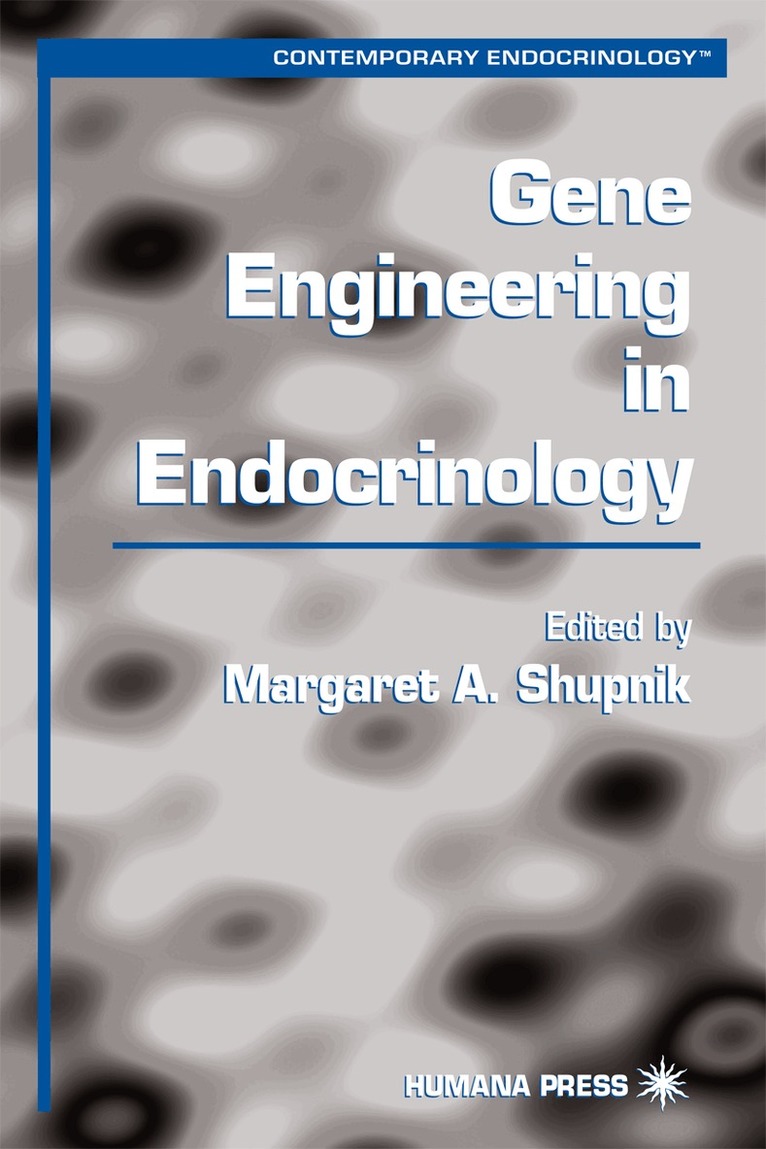
Margaret Shupnik and a team of leading investigators review the most recent breakthroughs in molecular endocrinology, emphasizing how studies of natural mutations and gene knockouts have illuminated endocrine processes. Using both animal and human model data, these authoritative researchers examine in depth the molecular basis of development, growth, and reproductive processes, the specific mutations that explain certain genetic syndromes, the hormonal regulation of gene expression (which affects the treatment of infertility and steroid-dependent cancers), and current research directions. Comprehensive and up-to-date, Gene Engineering in Endocrinology offers today's experimental and clinical endocrinologists, as well as reproductive biologists, a richly informative survey of what has already been accomplished with the genetic engineering of hormone processes and hormone-related genetic syndromes-research that promises powerful new experimental and therapeutic opportunities as this field continues its rapid development.