Margaret Clegg – författare
Visar alla böcker från författaren Margaret Clegg. Handla med fri frakt och snabb leverans.
7 produkter
7 produkter
Inbunden, Engelska, 2020
1 096 kr
Skickas inom 7-10 vardagar
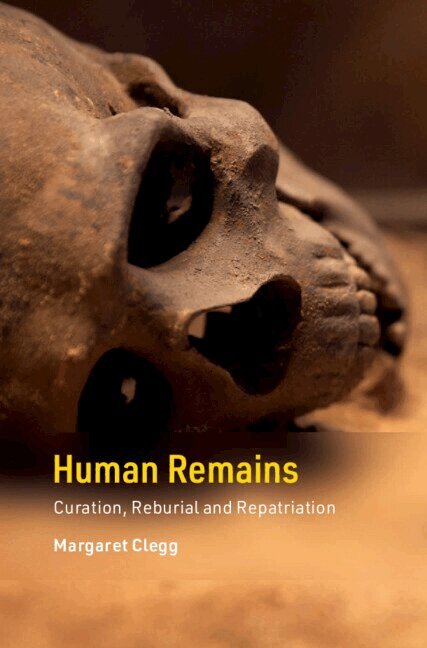
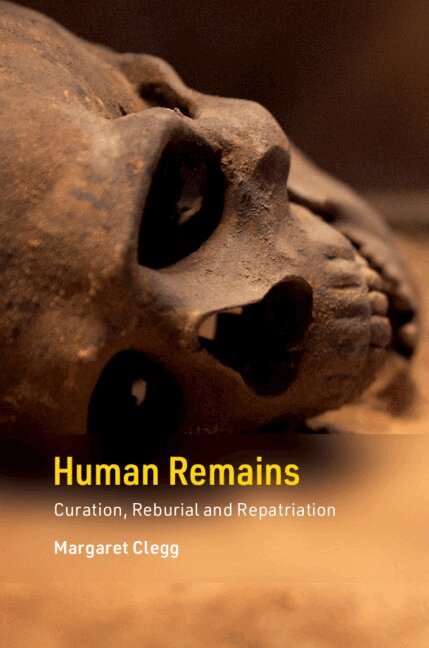
Working with human remains raises a whole host of ethical issues, from how the remains are used to how and where they are stored. Over recent years, attitudes towards repatriation and reburial have changed considerably and there are now laws in many countries to facilitate or compel the return of remains to claimant communities. Such changes have also brought about new ways of working with and caring for human remains, while enabling their ongoing use in research projects. This has often meant a reevaluation of working practices for both the curation of remains and in providing access to them. This volume will look at the issues and difficulties inherent in holding human remains with global origins, and how diverse institutions and countries have tackled these issues. Essential reading for advanced students in biological anthropology, museum studies, archaeology and anthropology, as well as museum curators, researchers and other professionals.
E-bok
Engelska, 2020570 kr
Läs direkt efter köp
Working with human remains raises a whole host of ethical issues, from how the remains are used to how and where they are stored. Over recent years, attitudes towards repatriation and reburial have changed considerably and there are now laws in many countries to facilitate or compel the return of remains to claimant communities. Such changes have also brought about new ways of working with and caring for human remains, while enabling their ongoing use in research projects. This has often meant a reevaluation of working practices for both the curation of remains and in providing access to them. This volume will look at the issues and difficulties inherent in holding human remains with global origins, and how diverse institutions and countries have tackled these issues. Essential reading for advanced students in biological anthropology, museum studies, archaeology and anthropology, as well as museum curators, researchers and other professionals.
E-bok
PDF, Engelska, 2020570 kr
Läs direkt efter köp
Working with human remains raises a whole host of ethical issues, from how the remains are used to how and where they are stored. Over recent years, attitudes towards repatriation and reburial have changed considerably and there are now laws in many countries to facilitate or compel the return of remains to claimant communities. Such changes have also brought about new ways of working with and caring for human remains, while enabling their ongoing use in research projects. This has often meant a reevaluation of working practices for both the curation of remains and in providing access to them. This volume will look at the issues and difficulties inherent in holding human remains with global origins, and how diverse institutions and countries have tackled these issues. Essential reading for advanced students in biological anthropology, museum studies, archaeology and anthropology, as well as museum curators, researchers and other professionals.
391 kr
Skickas inom 3-6 vardagar
267 kr
Läs direkt efter köp
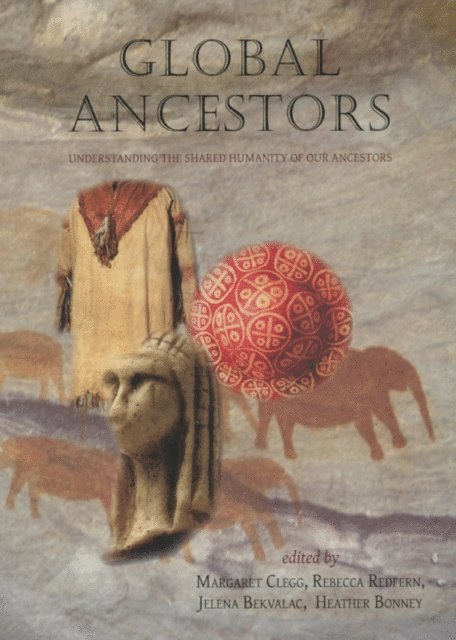
Global Ancestors is a collection of papers which reflect on modern museological responses to the often complex and emotive relationship that people have with the ancestors and objects which they created. Set out in three broad themes, the first collection of papers explore how indigenous peoples are represented in museums in Panama and China and how more can be gained by working with indigenous communities to further our understanding of the ancestors. The second section examines changes in British and American museological thinking regarding the repatriation of human remains and objects to indigenous peoples, focussing in particular on the impact of legislation on western institutions and the expectations of indigenous communities and alternative religious groups. These issues are explored through case studies involving material from the British Museum and Glasgow Museum. The final section explores the ways in which archaeologists and indigenous communities interact. These chapters illustrate, through case studies from South Africa, Finland and Canada, how both groups have worked together for their mutual benefit or to change the majority viewpoint. Global Ancestors represents the beginnings of a more inclusive and shared understanding between different constituencies and points the way forward to a time when we can consider the ancestors truly ‘global’.
Del 1383 - BAR International Series
Proceedings of the Fifth Annual Conference of the British Association for Biological Anthropology and Osteoarchaeology
Häftad, Engelska, 2005
391 kr
Skickas inom 3-6 vardagar
Häftad, Engelska, 2020
484 kr
Tillfälligt slut
Working with human remains raises a whole host of ethical issues, from how the remains are used to how and where they are stored. Over recent years, attitudes towards repatriation and reburial have changed considerably and there are now laws in many countries to facilitate or compel the return of remains to claimant communities. Such changes have also brought about new ways of working with and caring for human remains, while enabling their ongoing use in research projects. This has often meant a reevaluation of working practices for both the curation of remains and in providing access to them. This volume will look at the issues and difficulties inherent in holding human remains with global origins, and how diverse institutions and countries have tackled these issues. Essential reading for advanced students in biological anthropology, museum studies, archaeology and anthropology, as well as museum curators, researchers and other professionals.