Margaret Graver – författare
Visar alla böcker från författaren Margaret Graver. Handla med fri frakt och snabb leverans.
10 produkter
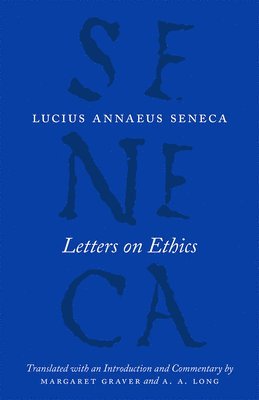
Letters on Ethics – To Lucilius
Av Lucius Annaeus Seneca, Margaret Graver m. fl.
Häftad, 2017
467 kr
Lägg i varukorg
The Roman statesman and philosopher Seneca (4 BCE-65 CE) recorded his moral philosophy and reflections on life as a highly original kind of correspondence. Letters on Ethics includes vivid descriptions of town and country life in Nero's Italy, discussions of poetry and oratory, and philosophical …
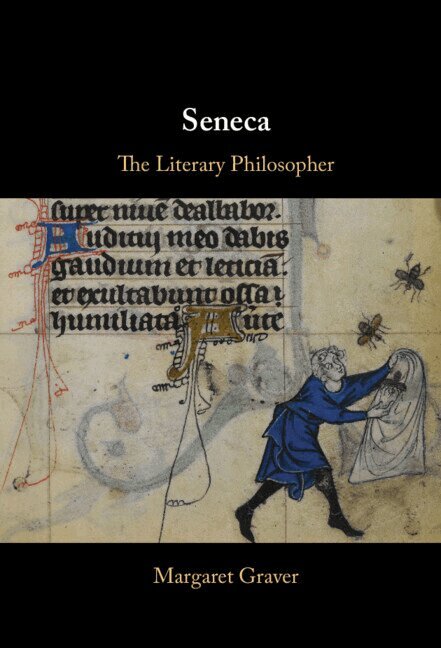
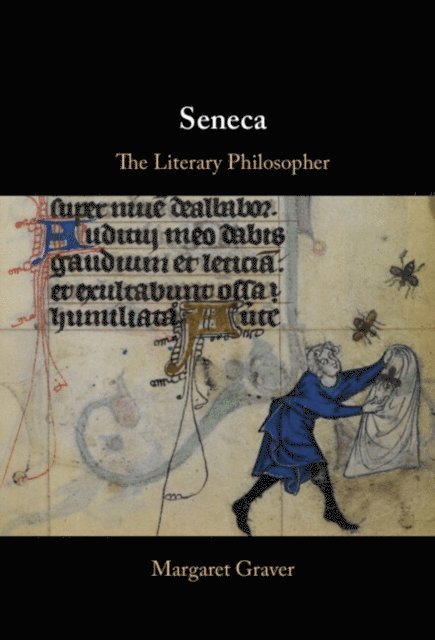
Seneca
The Literary Philosopher
Inbunden, 2023
1514 kr
Lägg i varukorg
Seneca stands apart from other philosophers of Greece and Rome not only for his interest in practical ethics, but also for the beauty and liveliness of his writing. These twelve in-depth essays take up a series of interrelated topics in his works, from his relation to Stoicism, Epicureanism, and …
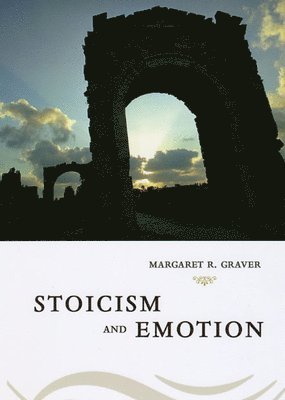
Stoicism and Emotion
E-bok, 2008
609 kr
Lägg i varukorg
On the surface, stoicism and emotion seem like contradictory terms. Yet the Stoic philosophers of ancient Greece and Rome were deeply interested in the emotions, which they understood as complex judgments about what we regard as valuable in our surroundings. Stoicism and Emotion shows that they did …
Stoicism and Emotion
Inbunden, 2007
853 kr
Lägg i varukorg
On the surface, stoicism and emotion seem like contradictory terms. Yet the Stoic philosophers of ancient Greece and Rome were deeply interested in the emotions, which they understood as complex judgments about what we regard as valuable in our surroundings. "Stoicism and Emotion" shows that they …
Stoicism and Emotion
Häftad, 2009
378 kr
Lägg i varukorg
On the surface, stoicism and emotion seem like contradictory terms. Yet the Stoic philosophers of ancient Greece and Rome were deeply interested in the emotions, which they understood as complex judgments about what we regard as valuable in our surroundings. "Stoicism and Emotion" shows that they …
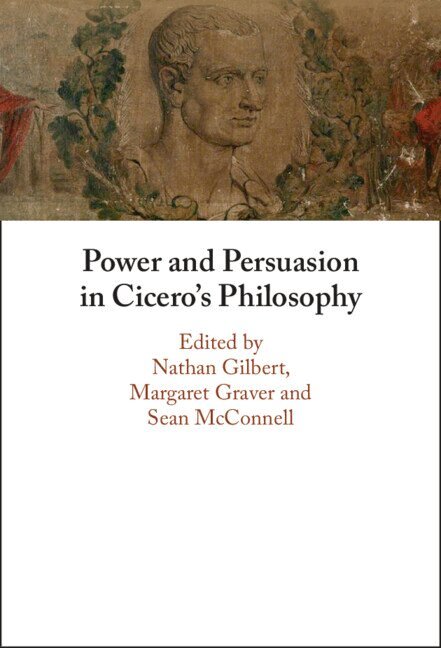
Power and Persuasion in Cicero's Philosophy
Av Nathan Gilbert, Margaret Graver m. fl.
Inbunden, 2023
1514 kr
Lägg i varukorg
Extensively trained as a philosopher, Cicero was also a working politician with a keen awareness of the distance between pure intellectual endeavor and effective strategies of persuasion. This volume explores a series of interrelated problems in his works, from the use of emotion, self-correction, …
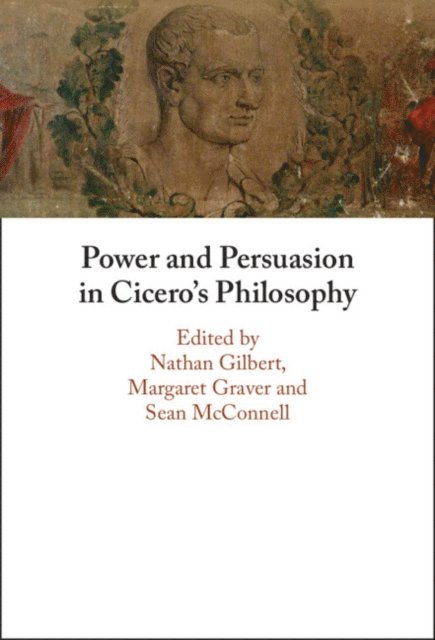
Power and Persuasion in Cicero's Philosophy
Av Sean McConnell, Margaret Graver m. fl.
E-bok, 2023
1500 kr
Lägg i varukorg
Extensively trained as a philosopher, Cicero was also a working politician with a keen awareness of the distance between pure intellectual endeavor and effective strategies of persuasion. This volume explores a series of interrelated problems in his works, from the use of emotion, self-correction, …
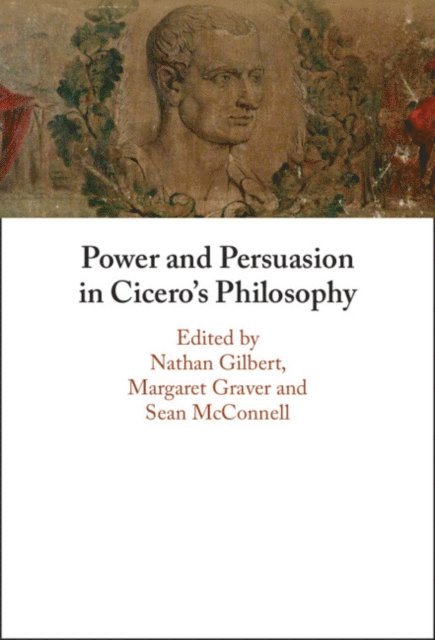
Power and Persuasion in Cicero's Philosophy
Av Sean McConnell, Margaret Graver m. fl.
E-bok, 2023
1500 kr
Lägg i varukorg
Extensively trained as a philosopher, Cicero was also a working politician with a keen awareness of the distance between pure intellectual endeavor and effective strategies of persuasion. This volume explores a series of interrelated problems in his works, from the use of emotion, self-correction, …