Margaret Lavinia Anderson – författare
Visar alla böcker från författaren Margaret Lavinia Anderson. Handla med fri frakt och snabb leverans.
8 produkter
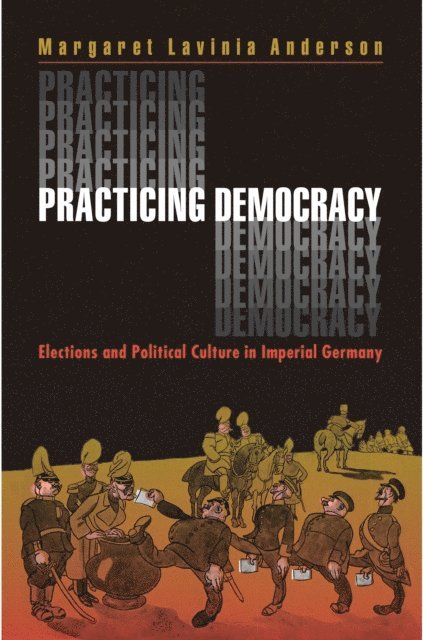
Practicing Democracy
Elections and Political Culture in Imperial Germany
Häftad, 2000
449 kr
Lägg i varukorg
What happens when manhood suffrage, a radically egalitarian institution, gets introduced into a deeply hierarchical society? In her sweeping history of Imperial Germany's electoral culture, Anderson shows how the sudden opportunity to "practice" democracy in 1867 opened up a free space in the land …
Practicing Democracy
Elections and Political Culture in Imperial Germany
E-bok, 2021
617 kr
Lägg i varukorg
What happens when manhood suffrage, a radically egalitarian institution, gets introduced into a deeply hierarchical society? In her sweeping history of Imperial Germany''s electoral culture, Anderson shows how the sudden opportunity to "practice" democracy in 1867 opened up a free space in the land …
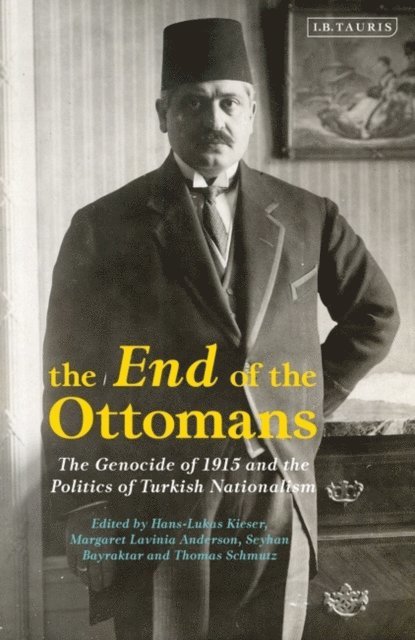
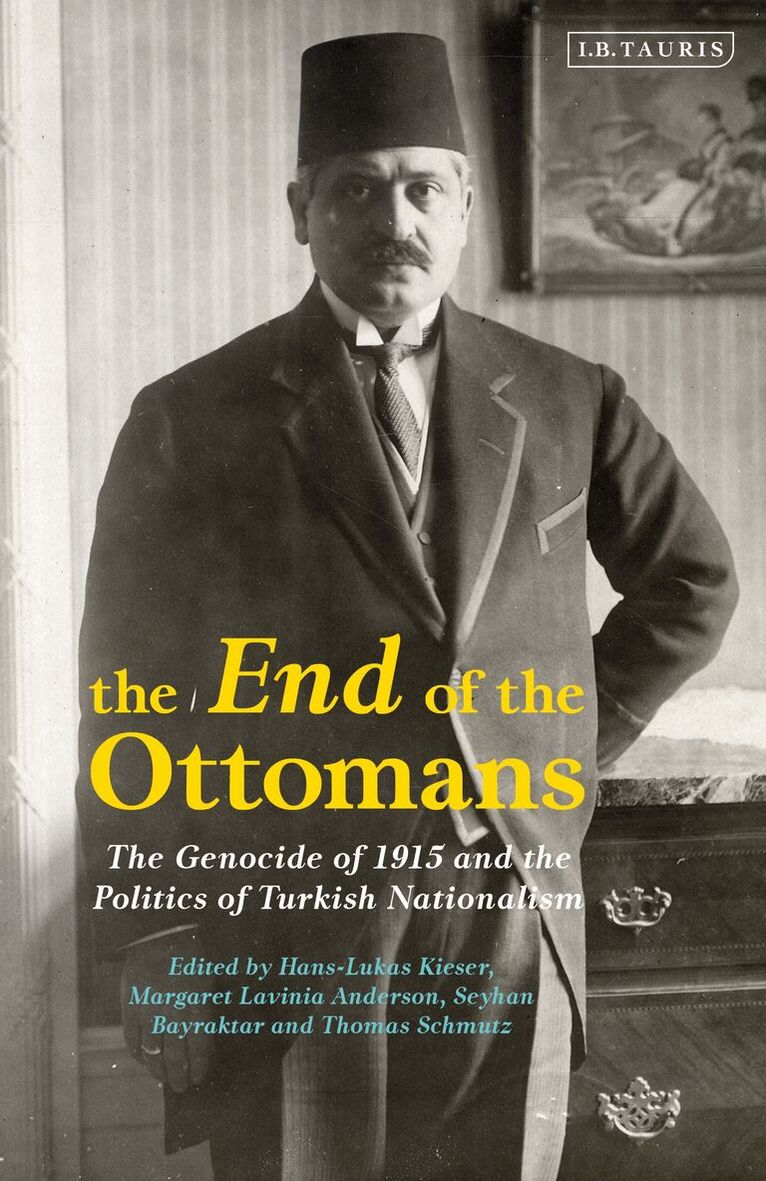
End of the Ottomans
The Genocide of 1915 and the Politics of Turkish Nationalism
Av Hans-Lukas Kieser, Margaret Lavinia Anderson m. fl.
Häftad, 2020
500 kr
Lägg i varukorg
In the early part of the twentieth century, as Europe began its descent into the First World War, the Ottoman world – once the largest Empire in the Middle East – began to experience a revolution which would culminate in the new, secular Turkish state. Alongside this, in 1915, as part of an …
End of the Ottomans
The Genocide of 1915 and the Politics of Turkish Nationalism
Av Hans-Lukas Kieser, Margaret Lavinia Anderson m. fl.
E-bok, 2019
546 kr
Lägg i varukorg
In the early part of the twentieth century, as Europe began its descent into the First World War, the Ottoman world – once the largest Empire in the Middle East – began to experience a revolution which would culminate in the new, secular Turkish state. Alongside this, in 1915, as part of an …
End of the Ottomans
The Genocide of 1915 and the Politics of Turkish Nationalism
Av Hans-Lukas Kieser, Margaret Lavinia Anderson m. fl.
E-bok, 2019
546 kr
Lägg i varukorg
In the early part of the twentieth century, as Europe began its descent into the First World War, the Ottoman world – once the largest Empire in the Middle East – began to experience a revolution which would culminate in the new, secular Turkish state. Alongside this, in 1915, as part of an …
End of the Ottomans
The Genocide of 1915 and the Politics of Turkish Nationalism
Av Hans-Lukas Kieser, Margaret Lavinia Anderson m. fl.
Inbunden, 2019
1603 kr
Lägg i varukorg
In the early part of the twentieth century, as Europe began its descent into the First World War, the Ottoman world – once the largest Empire in the Middle East – began to experience a revolution which would culminate in the new, secular Turkish state. Alongside this, in 1915, as part of an …
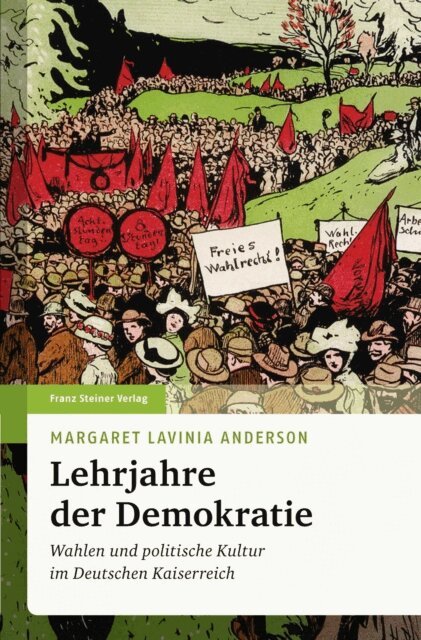
Lehrjahre der Demokratie
Wahlen und politische Kultur im Deutschen Kaiserreich
E-bok, 2012
394 kr
Lägg i varukorg
Ein allgemeines Männerwahlrecht im Land der Kaiser, Junker und Generäle?Margaret Lavinia Anderson führt in die "Übungen der Demokratie" im Deutschen Kaiserreich ein. Sie zeigt die Herausforderungen, Folgen und Auswirkungen eines Wahlrechts in einer hierarchisch strukturierten Gesellschaft, spürt …
Lehrjahre Der Demokratie: Wahlen Und Politische Kultur Im Deutschen Kaiserreich
Inbunden
920 kr
Tillfälligt slut