Margaret Preston – författare
Visar alla böcker från författaren Margaret Preston. Handla med fri frakt och snabb leverans.
6 produkter
6 produkter
Inbunden, Engelska, 2004
1 021 kr
Skickas inom 10-15 vardagar
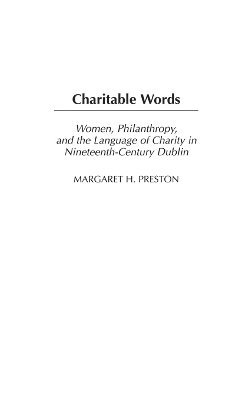
Mismanaged by local authority, in the 19th-century, Dublin lacked sufficient industrial development to provide adequate employment. Dublin's charitable workers attempted to improve the lives of the thousands who flocked to the city in search of relief. As a means to examining the hidden incentives of charity, the author offers a discussion of the language of charity in this setting. She notes how contemporary notions of race, class, and religion influenced how Ireland's philanthropists thought of and related to the poor. While much has been written on the perceived racial inferiority of the Celt as compared to the Anglo-Saxon, Preston suggests that the Irish upper classes, in seeking to gain equal footing with the British elite, adopted the same language to describe the poor.Intense sectarian strife marred Irish charities and undermined the smooth operation of social services. Preston offers insight by focusing on two women philanthropists who battled for the souls of Ireland's children. She also explores those who remained above the fray, such as the Religious Society of Friends in Ireland, who offered aid to all regardless of creed. Within the charitable records of this group, Preston contends that one can see how the Society changed over time and that, in Ireland, the industrial revolution as well as the 1798 Rebellion, contributed to the Society adapting to the mainstream. Finally, the women of charity helped to establish a modern nursing system for Ireland, and this work details their efforts at turning nursing into a respectable profession for women.
E-bok
PDF, Engelska, 20041 095 kr
Läs direkt efter köp
Mismanaged by local authority, in the 19th-century, Dublin lacked sufficient industrial development to provide adequate employment. Dublin's charitable workers attempted to improve the lives of the thousands who flocked to the city in search of relief. As a means to examining the hidden incentives of charity, the author offers a discussion of the language of charity in this setting. She notes how contemporary notions of race, class, and religion influenced how Ireland's philanthropists thought of and related to the poor. While much has been written on the perceived racial inferiority of the Celt as compared to the Anglo-Saxon, Preston suggests that the Irish upper classes, in seeking to gain equal footing with the British elite, adopted the same language to describe the poor.Intense sectarian strife marred Irish charities and undermined the smooth operation of social services. Preston offers insight by focusing on two women philanthropists who battled for the souls of Ireland's children. She also explores those who remained above the fray, such as the Religious Society of Friends in Ireland, who offered aid to all regardless of creed. Within the charitable records of this group, Preston contends that one can see how the Society changed over time and that, in Ireland, the industrial revolution as well as the 1798 Rebellion, contributed to the Society adapting to the mainstream. Finally, the women of charity helped to establish a modern nursing system for Ireland, and this work details their efforts at turning nursing into a respectable profession for women.
Häftad, Engelska, 2012
433 kr
Skickas inom 5-8 vardagar
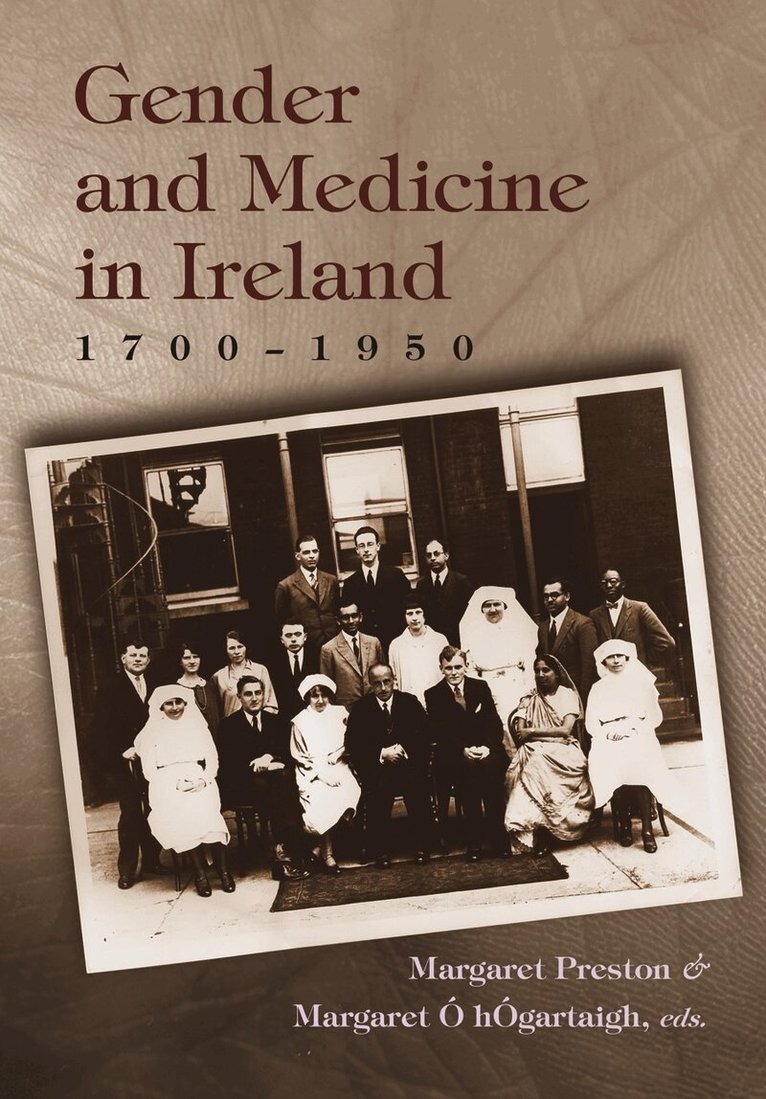
The essays in this collection examine the intersections between gender, medicine, and conventional economic, political, and social histories in Ireland between 1700 and 1950. Gathering many of the top voices in Irish studies and the history of medicine, the editors cover a range of topics including midwifery, mental health, alcoholism, and infant mortality. Composed of thirteen chapters, the volume includes James Kelly’s original analyses of eighteenth-century dental practice and midwifery, placing the Irish experience in an international context. Greta Jones, in an exploration of a disease that affected thousands in Ireland, explains the reasons for higher tuberculosis mortality among women. Several essays call attention to the attempted containment of disease, exploring the role of asylums and the gendered attitudes toward insanity and reform. Contributors highlight the often neglected impact of nurses and midwives, occupations traditionally dominated by women. Presenting a social history of Irish medicine, the disparate essays are united by several common themes: the inherent danger of life in eighteenth- and nineteenth-century Ireland, the specific brutality of women’s lives at the time, and the heroics of several enlightened figures.
Häftad, Engelska, 2015
235 kr
Skickas inom 5-8 vardagar
Häftad, Engelska, 2017
155 kr
Skickas inom 5-8 vardagar
Häftad, Engelska, 2017
111 kr
Skickas inom 5-8 vardagar