Margaret S. Graves - Böcker
Visar alla böcker från författaren Margaret S. Graves. Handla med fri frakt och snabb leverans.
5 produkter
5 produkter
1 002 kr
Skickas inom 5-8 vardagar
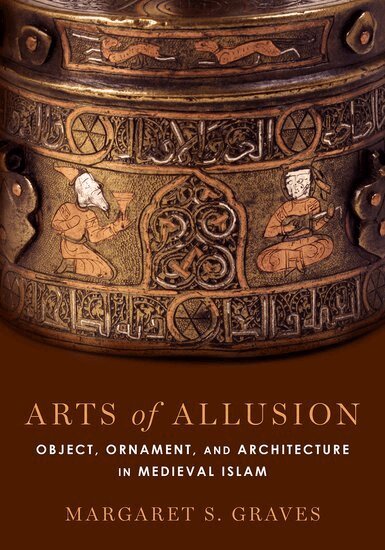
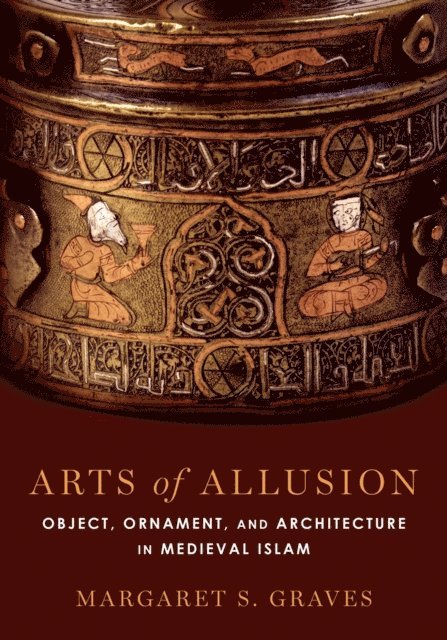
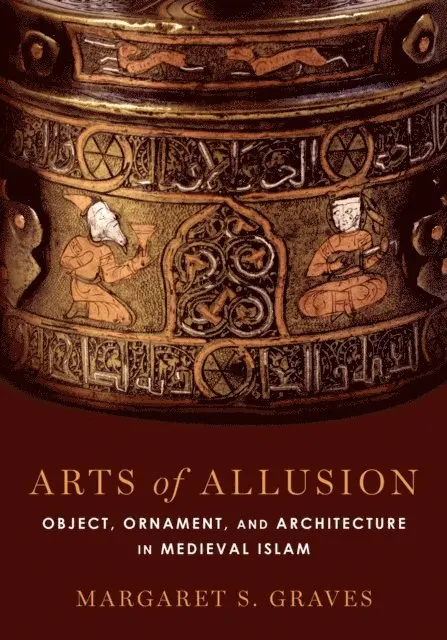
The art of the object reached unparalleled heights in the medieval Islamic world, yet the intellectual dimensions of ceramics, metalwares, and other plastic arts in this milieu have not always been acknowledged. Arts of Allusion reveals the object as a crucial site where pre-modern craftsmen of the eastern Mediterranean and Persianate realms engaged in fertile dialogue with poetry, literature, painting, and, perhaps most strikingly, architecture. Lanterns fashioned after miniature shrines, incense burners in the form of domed monuments, earthenware jars articulated with arches and windows, inkwells that allude to tents: through close studies of objects from the ninth to the thirteenth centuries, this book reveals that allusions to architecture abound across media in the portable arts of the medieval Islamic world. Arts of Allusion draws upon a broad range of material evidence as well as medieval texts to locate its subjects in a cultural landscape where the material, visual and verbal realms were intertwined. Moving far beyond the initial identification of architectural types with their miniature counterparts in the plastic arts, Margaret Graves develops a series of new frameworks for exploring the intelligent art of the allusive object. These address materiality, representation, and perception, and examine contemporary literary and poetic paradigms of metaphor, description, and indirect reference as tools for approaching the plastic arts. Arguing for the role of the intellect in the applied arts and for the communicative potential of ornament, Arts of Allusion asserts the reinstatement of craftsmanship into Islamic intellectual history.
824 kr
Skickas inom 7-10 vardagar
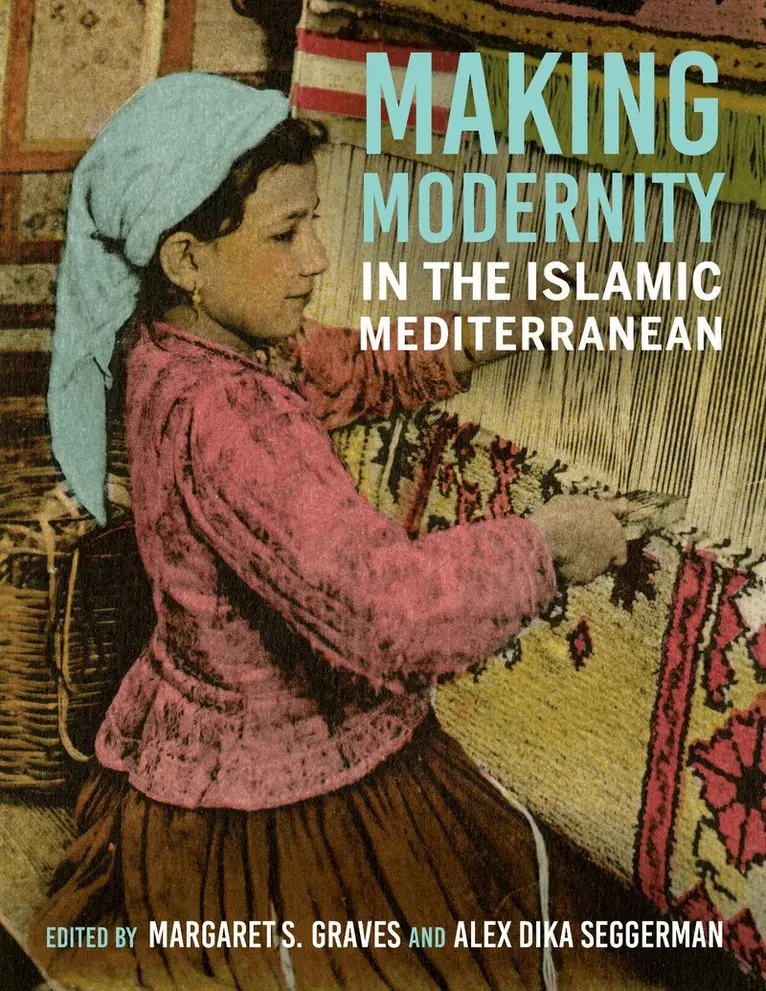
The Islamic world's artistic traditions experienced profound transformation in the 19th century as rapidly developing technologies and globalizing markets ushered in drastic changes in technique, style, and content. Despite the importance and ingenuity of these developments, the 19th century remains a gap in the history of Islamic art. To fill this opening in art historical scholarship, Making Modernity in the Islamic Mediterranean charts transformations in image-making, architecture, and craft production in the Islamic world from Fez to Istanbul. Contributors focus on the shifting methods of production, reproduction, circulation, and exchange artists faced as they worked in fields such as photography, weaving, design, metalwork, ceramics, and even transportation. Covering a range of media and a wide geographical spread, Making Modernity in the Islamic Mediterranean reveals how 19th-century artists in the Middle East and North Africa reckoned with new tools, materials, and tastes from local perspectives.
320 kr
Skickas inom 7-10 vardagar
The Islamic world's artistic traditions experienced profound transformation in the 19th century as rapidly developing technologies and globalizing markets ushered in drastic changes in technique, style, and content. Despite the importance and ingenuity of these developments, the 19th century remains a gap in the history of Islamic art. To fill this opening in art historical scholarship, Making Modernity in the Islamic Mediterranean charts transformations in image-making, architecture, and craft production in the Islamic world from Fez to Istanbul. Contributors focus on the shifting methods of production, reproduction, circulation, and exchange artists faced as they worked in fields such as photography, weaving, design, metalwork, ceramics, and even transportation. Covering a range of media and a wide geographical spread, Making Modernity in the Islamic Mediterranean reveals how 19th-century artists in the Middle East and North Africa reckoned with new tools, materials, and tastes from local perspectives.
251 kr
Skickas inom 7-10 vardagar
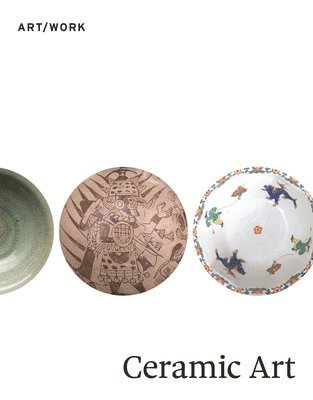
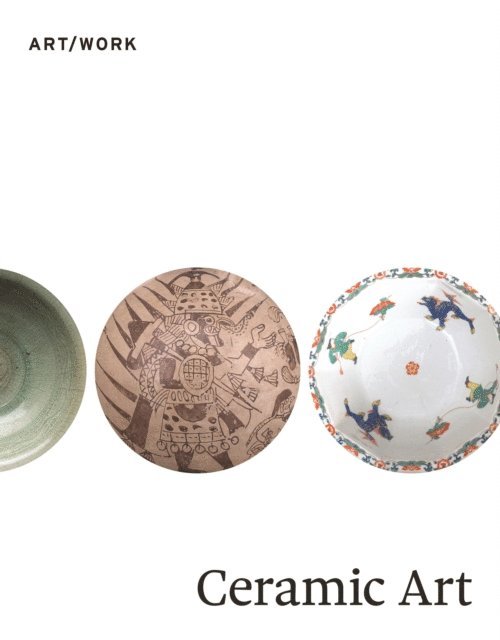
A new examination of the history of ceramic art, spanning ancient to modern times, emphasizing its traditions, materials, and methods of makingConcise but comprehensive, Ceramic Art brings together the voices of art historians, conservators, and artists to tell the history of making art from fired clay. The story spans history and continents, examining the global traditions of ceramists that range from pre-Columbian Peruvian artisans to contemporary African studio potters.The volume shows how human need gave rise to multiple traditions in earthenware, stoneware, porcelain, glaze, and surface decoration from Africa, Asia, Europe, the Middle East, and the Americas. Essays describe the core materials and practice of ceramics, followed by consideration of its production, consumption, and use. Throughout, the focus is on the power of materials and the role conservation plays in the afterlife of a ceramic object.An accessible introduction to an ancient practice, Ceramic Art offers new ways of thinking about the broader forces that have shaped the traditions of the medium.
536 kr
Skickas inom 7-10 vardagar
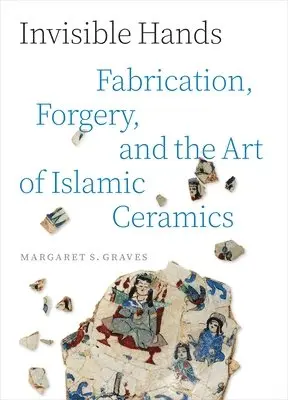
The remarkable history of forged and fabricated Islamic ceramics, their makers, and their unique role in colonial tradeIn the heyday of Islamic art collecting around the turn of the twentieth century, thousands of premodern ceramic objects circulated on the international antiquities market. Invisible Hands tells the story of how traditional craft skills of the Islamic world, often thought to have died out with the advent of industrialization, were redirected toward a thriving new market in the colonial era: the fabrication and fictionalizing of antiquities, especially ceramics.In this stunning work of art history, Margaret Graves shakes the foundations of the discipline, challenging us to reconsider what is and is not art. She traces how sophisticated fabrications—as modern as they were believed to be medieval—moved within an international network of diggers, dealers, and collectors who took advantage of a largely unregulated marketplace to exchange and amass objects that were fabulous in every sense of the word. She looks at canonical artworks as well as many previously unpublished and rarely seen objects, shedding light on the astonishingly varied ways Islamic ceramics were altered and remade by highly skilled craftspeople to meet the demands of Western collectors. Shifting away from the moralizing stance of past studies on reconstructed Islamic ceramics, Graves shows how fabrication and forgery became a major site of participation in modern global capitalism and establishes an entirely new paradigm in the history of art.Drawing on a substantive new body of provenance research, archaeology, economic history, and laboratory analysis, Invisible Hands centers previously marginalized objects, reframing the practices of fabrication and forgery as crucial forms of invention and artistic skill worthy of study and admiration.