Margareta Lützhöft - Böcker
Visar alla böcker från författaren Margareta Lützhöft. Handla med fri frakt och snabb leverans.
4 produkter
4 produkter
1 330 kr
Skickas inom 10-15 vardagar
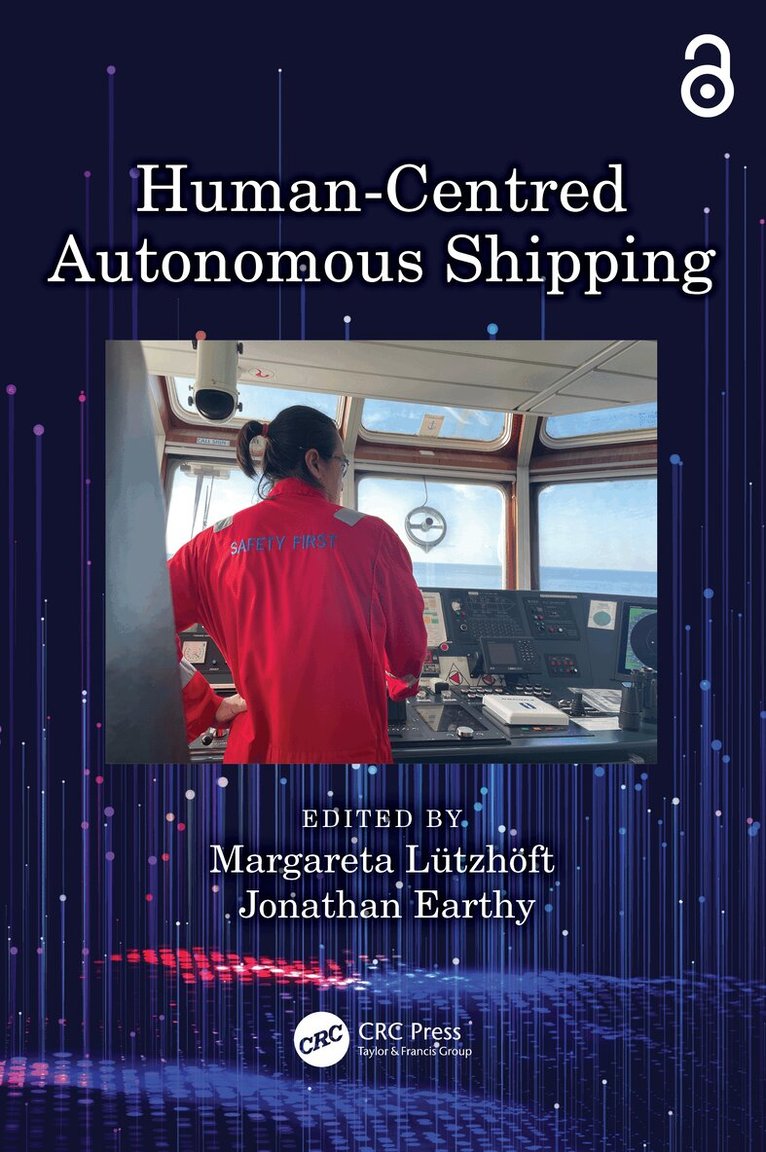
Tracing the development of autonomous and automated shipping from a hype of unmanned ships to a more realistic use of automation to augment humans in maritime operations, this book shows why human factors and human-centred design are essential to the endeavour.Themes addressed in the book include technology and cybersecurity, regulation and classification, and competence and skills. It combines commentary and insight from experts across the industry as well as academia and describes a roller-coaster ride from conceptual idea via a period of hype where technologists and engineers enthusiastically advocated a rapid development as many others in the maritime industry felt compelled, but struggled, to follow and finally to a more measured view as cumulative experience started to show the limitations, risks, and the lack of a generic business case.This book is intended for anyone working in, researching in, or simply interested in shipping and the maritime domain and the evolution of autonomous shipping. The target audience includes regulators, educators, researchers, engineers, and manufacturers.The Open Access version of this book, available at http://www.taylorfrancis.com, has been made available under a Creative Commons Attribution-Non Commercial-No Derivatives (CC-BY-NC-ND) 4.0 license
722 kr
Skickas inom 10-15 vardagar
Tracing the development of autonomous and automated shipping from a hype of unmanned ships to a more realistic use of automation to augment humans in maritime operations, this book shows why human factors and human-centred design are essential to the endeavour.Themes addressed in the book include technology and cybersecurity, regulation and classification, and competence and skills. It combines commentary and insight from experts across the industry as well as academia and describes a roller-coaster ride from conceptual idea via a period of hype where technologists and engineers enthusiastically advocated a rapid development as many others in the maritime industry felt compelled, but struggled, to follow and finally to a more measured view as cumulative experience started to show the limitations, risks, and the lack of a generic business case.This book is intended for anyone working in, researching in, or simply interested in shipping and the maritime domain and the evolution of autonomous shipping. The target audience includes regulators, educators, researchers, engineers, and manufacturers.The Open Access version of this book, available at http://www.taylorfrancis.com, has been made available under a Creative Commons Attribution-Non Commercial-No Derivatives (CC-BY-NC-ND) 4.0 license
2 162 kr
Skickas inom 10-15 vardagar
Shipping is a pillar of global trade, with 90 per cent of the world’s trade in goods and raw materials carried by ship. Despite the economic benefits this delivers, maritime operations can be dangerous, and when accidents occur the consequences are serious. Consequential outcomes from hazards at sea include serious injury, death, loss of cargo and destruction of the marine environment.Managing Maritime Safety will give you a thorough understanding of contemporary maritime safety and its management. It provides varying viewpoints on traditional safety topics in conjunction with critical discussions of the international safety management code and its application. The book also offers new perspectives on maritime safety such as ship and equipment design for safety and the relevance of safety management systems, in particular the application of the International Safety Management code to remote controlled or autonomous ships. The authors all work in the maritime industry, as practitioners, in education, research, government and classification. The combination of wide-ranging and extensive experience provides an unprecedented span of views with a strong connection to the real issues in the maritime domain. This book sets out to provide much needed consolidated knowledge for university level students on maritime safety management, incorporating theoretical, historical, research, operational and design perspectives.
688 kr
Skickas inom 10-15 vardagar
Shipping is a pillar of global trade, with 90 per cent of the world’s trade in goods and raw materials carried by ship. Despite the economic benefits this delivers, maritime operations can be dangerous, and when accidents occur the consequences are serious. Consequential outcomes from hazards at sea include serious injury, death, loss of cargo and destruction of the marine environment.Managing Maritime Safety will give you a thorough understanding of contemporary maritime safety and its management. It provides varying viewpoints on traditional safety topics in conjunction with critical discussions of the international safety management code and its application. The book also offers new perspectives on maritime safety such as ship and equipment design for safety and the relevance of safety management systems, in particular the application of the International Safety Management code to remote controlled or autonomous ships. The authors all work in the maritime industry, as practitioners, in education, research, government and classification. The combination of wide-ranging and extensive experience provides an unprecedented span of views with a strong connection to the real issues in the maritime domain. This book sets out to provide much needed consolidated knowledge for university level students on maritime safety management, incorporating theoretical, historical, research, operational and design perspectives.