Margarita M. Balmaceda – författare
Visar alla böcker från författaren Margarita M. Balmaceda. Handla med fri frakt och snabb leverans.
12 produkter
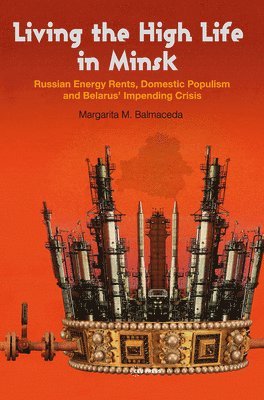
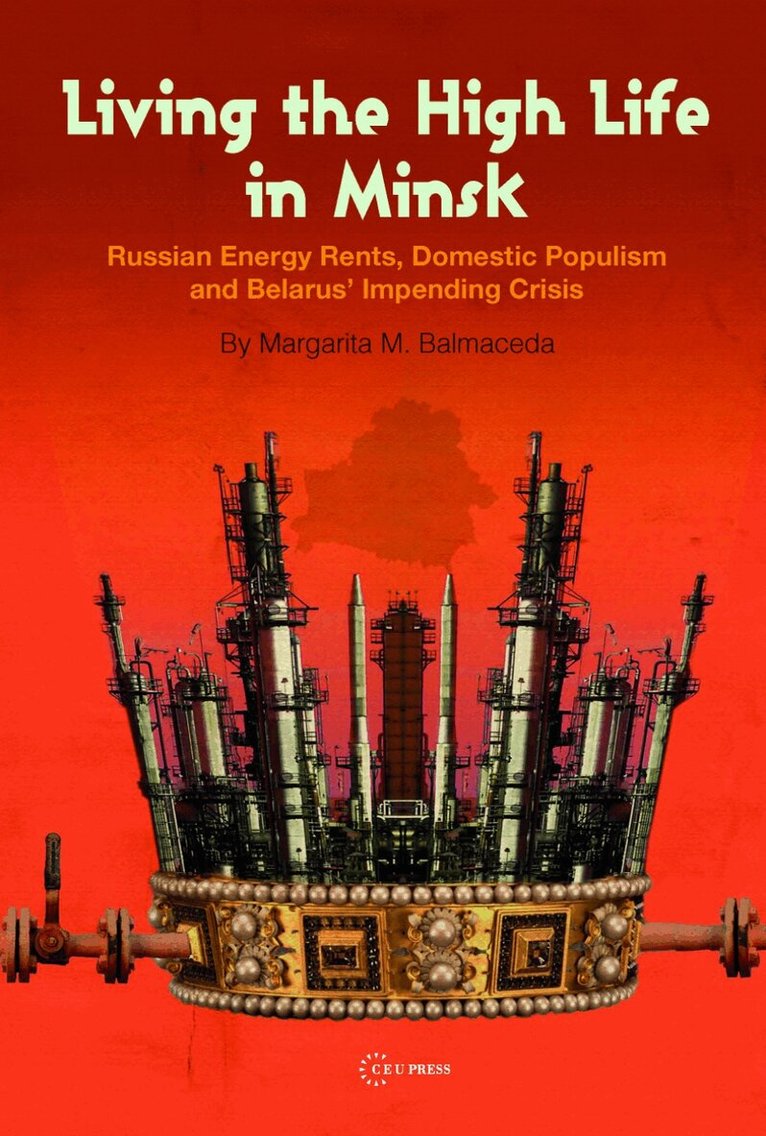
Living the High Life in Minsk
Russian Energy Rents, Domestic Populism and Belarus' Impending Crisis
Inbunden, 2014
1667 kr
Lägg i varukorg
Living the High Life in Minsk looks at the sources of stability and instability in post-Soviet authoritarian states through the case study of President Lukashenka’s firm hold on power in Belarus. In particular, it seeks to understand the role of energy relations, policies, and discourses in the …
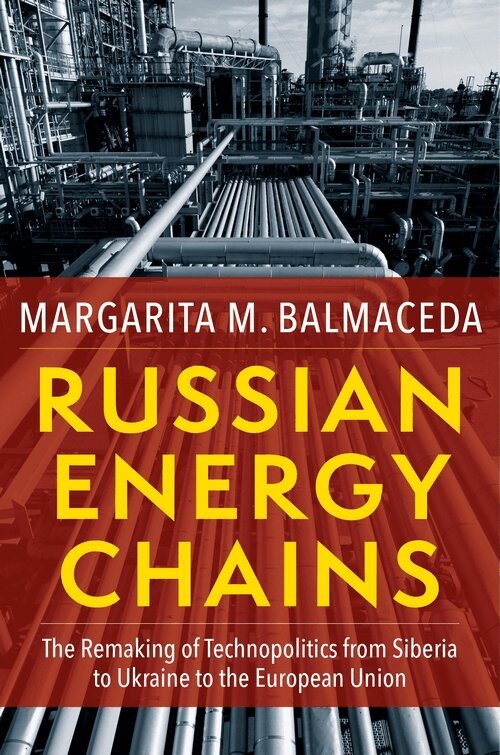
Russian Energy Chains
The Remaking of Technopolitics from Siberia to Ukraine to the European Union
Inbunden, 2021
2913 kr
Lägg i varukorg
Russia’s use of its vast energy resources for leverage against post-Soviet states such as Ukraine is widely recognized as a threat. Yet we cannot understand this danger without also understanding the opportunity that Russian energy represents. From corruption-related profits to transportation-fee …
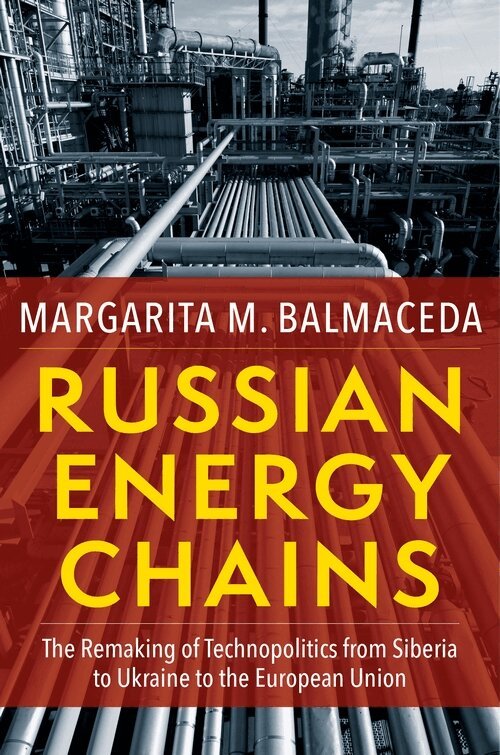
Russian Energy Chains
The Remaking of Technopolitics from Siberia to Ukraine to the European Union
Häftad, 2021
401 kr
Lägg i varukorg
Russia’s use of its vast energy resources for leverage against post-Soviet states such as Ukraine is widely recognized as a threat. Yet we cannot understand this danger without also understanding the opportunity that Russian energy represents. From corruption-related profits to transportation-fee …
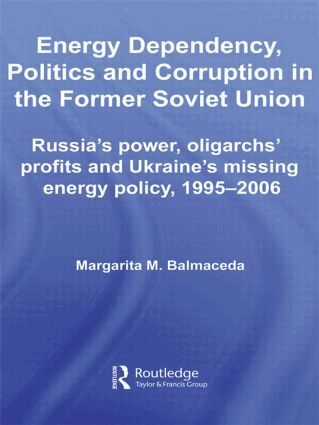
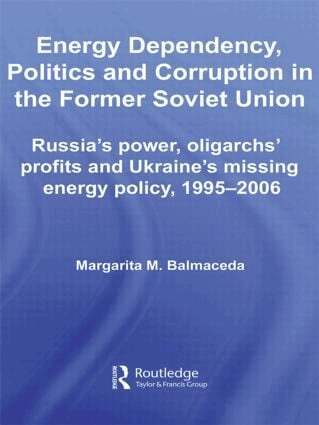
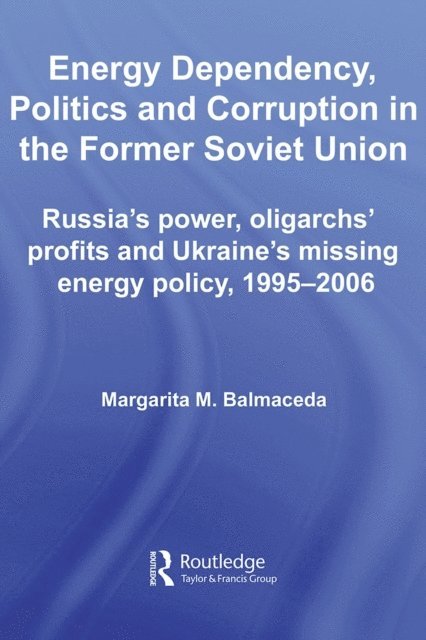
Energy Dependency, Politics and Corruption in the Former Soviet Union
Russia's Power, Oligarchs' Profits and Ukraine's Missing Energy Policy, 1995-2006
Inbunden, 2007
2512 kr
Lägg i varukorg
Energy has become a major element to Russia's attempts, under Putin, to restore its influence over former Soviet territories and reaffirm itself as the dominant regional power. This book investigates how Russia has manipulated the energy of its neighbours on Russian energy supplies to achieve its …
Energy Dependency, Politics and Corruption in the Former Soviet Union
Russia's Power, Oligarchs' Profits and Ukraine's Missing Energy Policy, 1995-2006
Häftad, 2012
747 kr
Lägg i varukorg
Energy has become a major element to Russia's attempts, under Putin, to restore its influence over former Soviet territories and reaffirm itself as the dominant regional power. This book investigates how Russia has manipulated the energy of its neighbours on Russian energy supplies to achieve its …
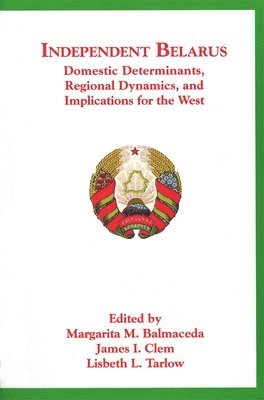
Independent Belarus
Domestic Determinants, Regional Dynamics, and Implications for the West
Av Margarita M. Balmaceda, James I. Clem m. fl.
Häftad, 2003
242 kr
Lägg i varukorg
The fall of the Berlin Wall in 1989 ushered in a period of democratization and market reform extending across the East-Central European region, with one important exception: Belarus. Ironically, Belarus's fledgling attempts at democracy produced a leader who has suspended the post-Soviet …
Energy Dependency, Politics and Corruption in the Former Soviet Union
Russia's Power, Oligarchs' Profits and Ukraine's Missing Energy Policy, 1995-2006
E-bok, 2007
883 kr
Lägg i varukorg
Energy has become a major element to Russia''s attempts, under Putin, to restore its influence over former Soviet territories and reaffirm itself as the dominant regional power. This book investigates how Russia has manipulated the energy of its neighbours on Russian energy supplies to achieve its …
Energy Dependency, Politics and Corruption in the Former Soviet Union
Russia's Power, Oligarchs' Profits and Ukraine's Missing Energy Policy, 1995-2006
E-bok, 2007
864 kr
Lägg i varukorg
Energy has become a major element to Russia''s attempts, under Putin, to restore its influence over former Soviet territories and reaffirm itself as the dominant regional power. This book investigates how Russia has manipulated the energy of its neighbours on Russian energy supplies to achieve its …
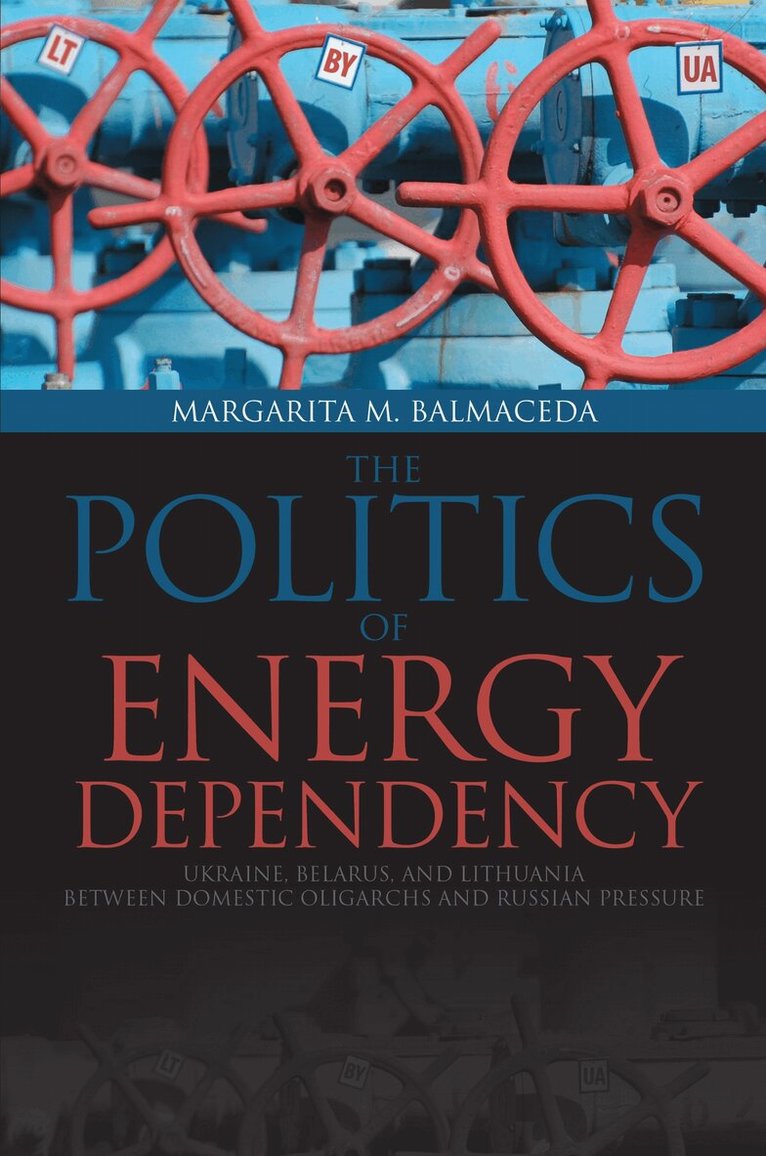
Politics of Energy Dependency
Ukraine, Belarus, and Lithuania Between Domestic Oligarchs and Russian Pressure
E-bok, 2014
636 kr
Lägg i varukorg
Energy has been an important element in Moscow’s quest to exert power and influence in its surrounding areas both before and after the collapse of the USSR. With their political independence in 1991, Ukraine, Belarus, and Lithuania also became, virtually overnight, separate energy-poor entities …
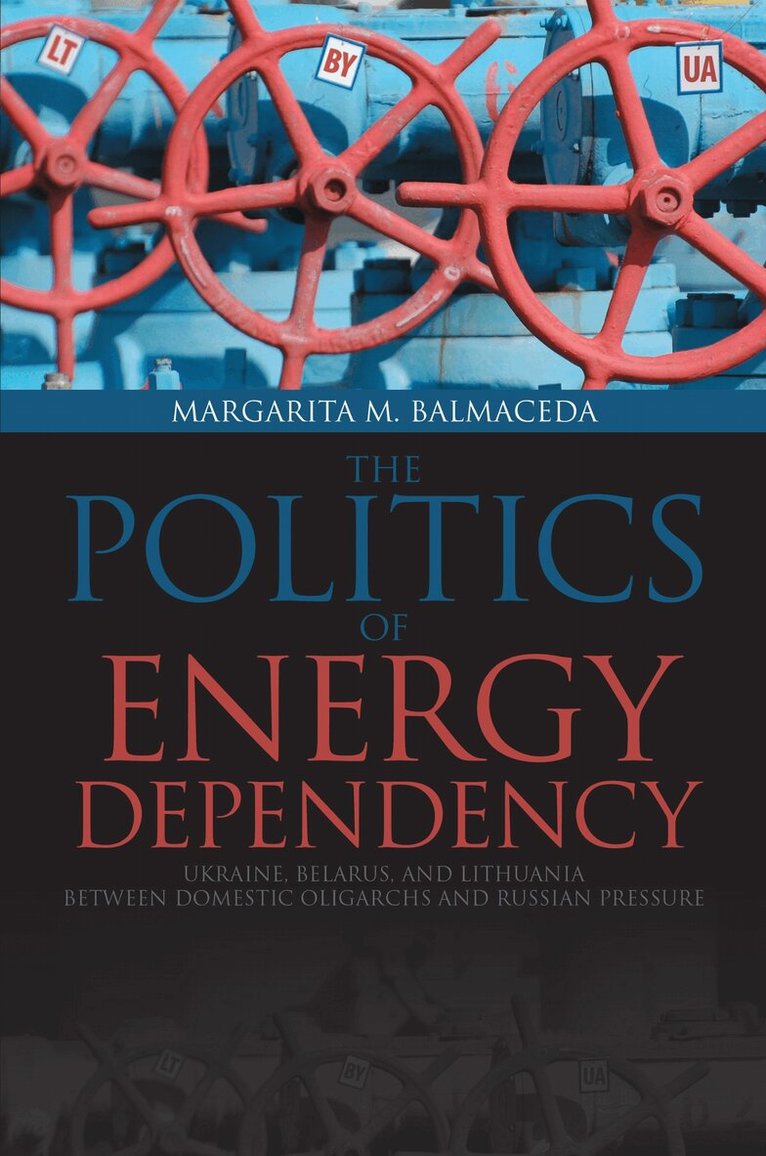
Politics of Energy Dependency
Ukraine, Belarus, and Lithuania Between Domestic Oligarchs and Russian Pressure
E-bok, 2013
636 kr
Lägg i varukorg
Energy has been an important element in Moscow’s quest to exert power and influence in its surrounding areas both before and after the collapse of the USSR. With their political independence in 1991, Ukraine, Belarus, and Lithuania also became, virtually overnight, separate energy-poor entities …
Politics of Energy Dependency
Ukraine, Belarus, and Lithuania Between Domestic Oligarchs and Russian Pressure
Häftad, 2015
467 kr
Lägg i varukorg
Energy has been an important element in Moscow’s quest to exert power and influence in its surrounding areas both before and after the collapse of the USSR. With their political independence in 1991, Ukraine, Belarus, and Lithuania also became, virtually overnight, separate energy-poor entities …
Living the High Life in Minsk
Russian Energy Rents, Domestic Populism and Belarus' Impending Crisis
Häftad, 2023
709 kr
Lägg i varukorg
Living the High Life in Minsk looks at the sources of stability and instability in post-Soviet authoritarian states through the case study of President Lukashenka’s firm hold on power in Belarus. In particular, it seeks to understand the role of energy relations, policies, and discourses in the …