Margarita Schiemer – författare
Visar alla böcker från författaren Margarita Schiemer. Handla med fri frakt och snabb leverans.
6 produkter
6 produkter
Häftad, Engelska, 2020
559 kr
Skickas inom 5-8 vardagar
Inbunden, Engelska, 2020
624 kr
Skickas inom 5-8 vardagar
Häftad, Engelska, 2020
559 kr
Skickas inom 5-8 vardagar
Inbunden, Engelska, 2020
624 kr
Skickas inom 5-8 vardagar
Inbunden, Engelska, 2017
533 kr
Skickas inom 10-15 vardagar
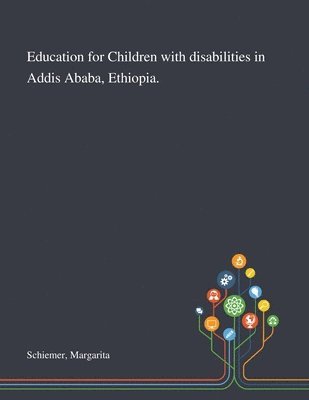
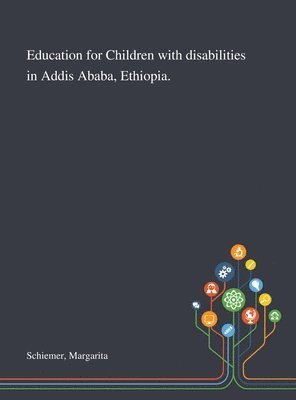
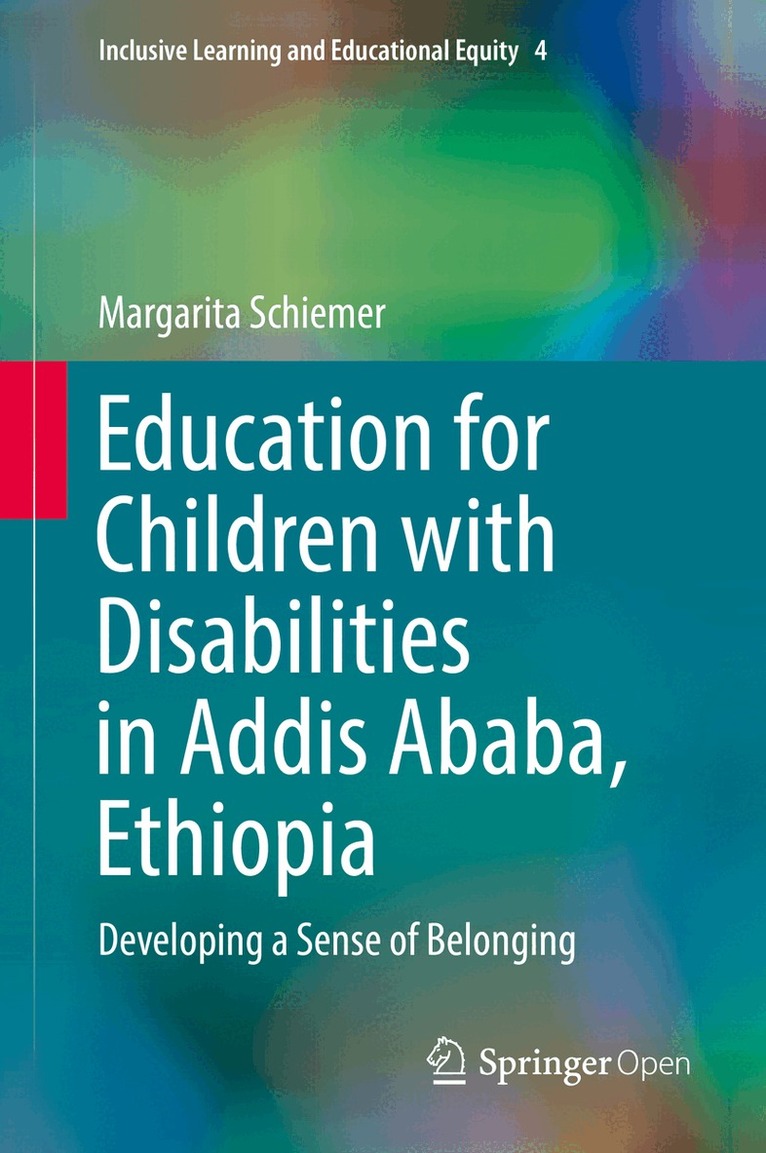
This book is open access under a CC BY 4.0 license.This book presents insights into the lived realities of children with disabilities in primary schools in Addis Ababa, Ethiopia. It examines specific cultural and societal characteristics of Ethiopia that influence the education of children with disabilities. The book presents findings drawn from interviews with, and participant observation of the schoolchildren, family members, teachers and other “experts”, and places these findings in a cultural-historical context. The multidimensional approach taken allows for, on the one hand, the provision of a historical grounding of the book, explaining the main historical junctures and their implications for education, and the discussion of the role of culture and society as barriers and facilitators of education. On the other hand, it gives the book a more personal angle, allowing the reader to gain insight into what it means to feel like a family, develop a sense of belonging, and trying to move toward educational equity.
Del 4 - Inclusive Learning and Educational Equity
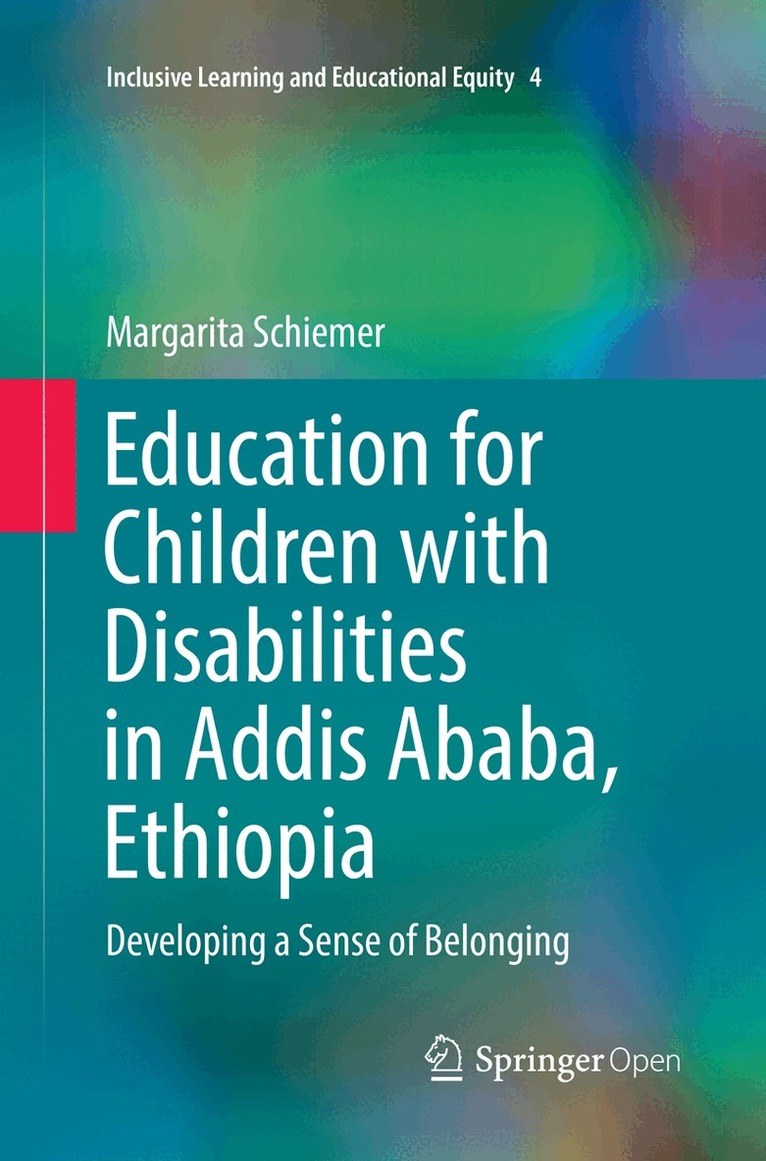
Education for Children with Disabilities in Addis Ababa, Ethiopia
Developing a Sense of Belonging
Häftad, Engelska, 2018
533 kr
Skickas inom 10-15 vardagar
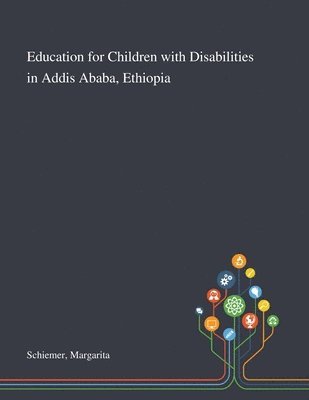
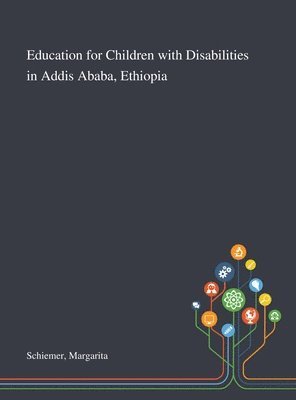
This book is open access under a CC BY 4.0 license.This book presents insights into the lived realities of children with disabilities in primary schools in Addis Ababa, Ethiopia. It examines specific cultural and societal characteristics of Ethiopia that influence the education of children with disabilities. The book presents findings drawn from interviews with, and participant observation of the schoolchildren, family members, teachers and other “experts”, and places these findings in a cultural-historical context. The multidimensional approach taken allows for, on the one hand, the provision of a historical grounding of the book, explaining the main historical junctures and their implications for education, and the discussion of the role of culture and society as barriers and facilitators of education. On the other hand, it gives the book a more personal angle, allowing the reader to gain insight into what it means to feel like a family, develop a sense of belonging, and trying to move toward educational equity.