Margret Fine-Davis - Böcker
Visar alla böcker från författaren Margret Fine-Davis. Handla med fri frakt och snabb leverans.
7 produkter
7 produkter
600 kr
Skickas inom 10-15 vardagar
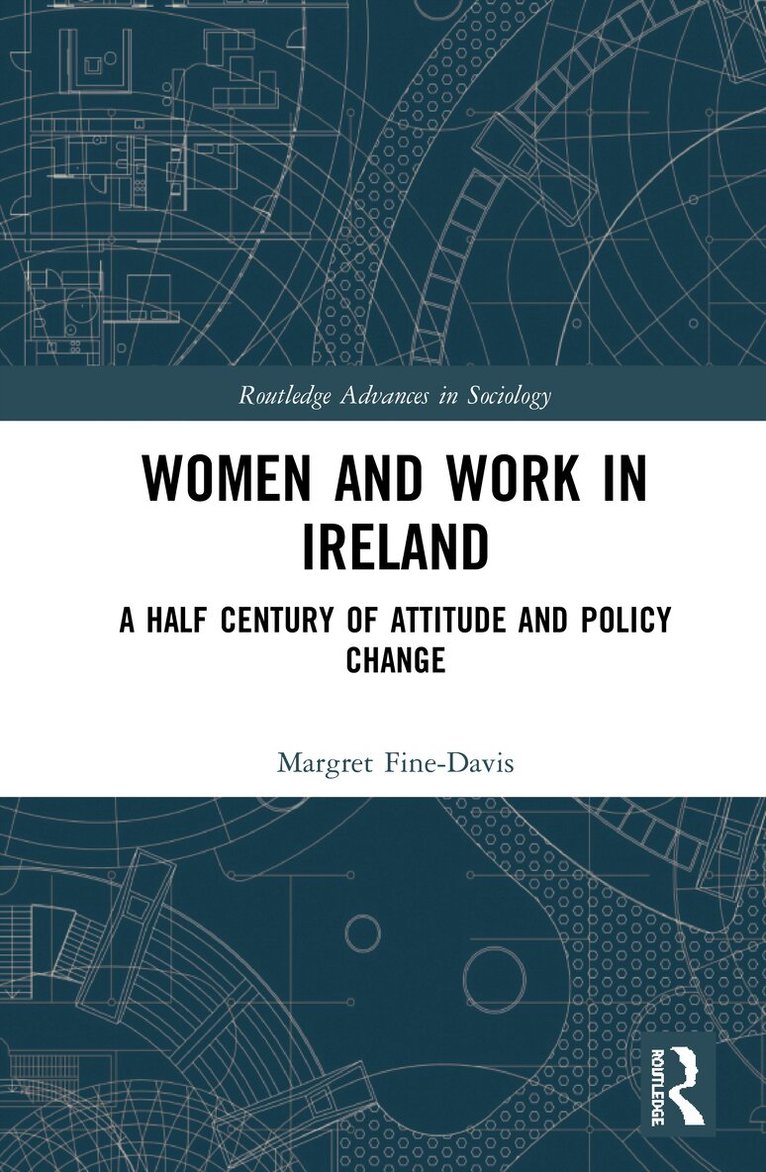
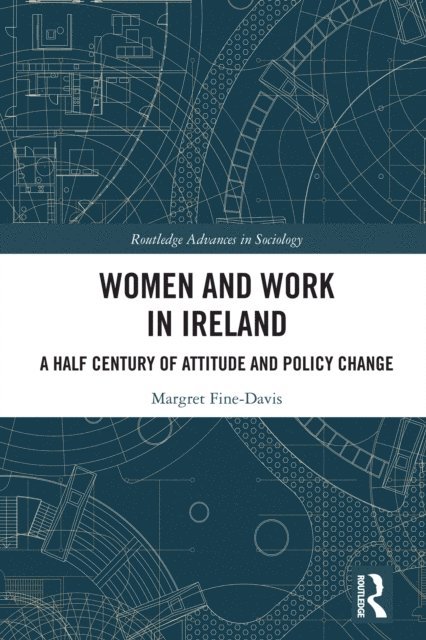
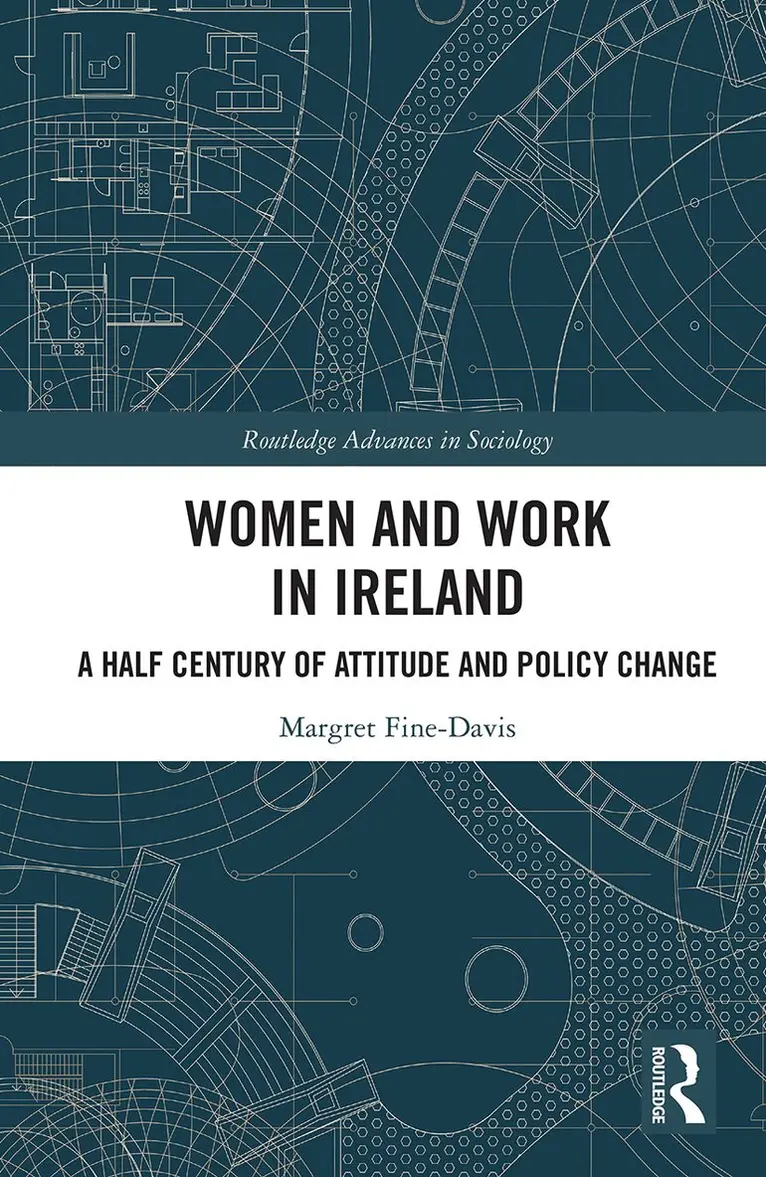
This book chronicles the evolution of women’s participation in the labour force in Ireland over the last five decades. This was largely spearheaded by married women and mothers, leading to many related social issues including childcare, flexible working, the sharing of domestic work and work-life balance. The book presents empirical data on these topics, drawn from the author’s research spanning several decades, and shows how attitudes have evolved and influenced the development of social policy. The book begins by exploring the factors which predisposed some married women to enter the workplace in the early 1970s while most did not and examines the relative well-being of housewives and employed married women. It demonstrates the effects the anti-discrimination legislation of the 1970s had on women’s perceived discrimination over time, showing that women initially denied their own discrimination. The history of childcare policy is examined from the early Government Working Party reports of the 1980s to the evolution of childcare policy in Ireland. Issues of work-life balance are presented through cross-cultural comparisons from Ireland and several European countries, and key questions are asked, such as "are men who work part-time seen as less serious about their careers?" The concluding chapter focuses on how women’s role in the workplace impacts on men and gender relations. Questions are posed concerning the ways in which men’s roles need to adapt and the extent to which workplaces and social policy also need to change to accommodate men and women’s needs for work-life balance.The book will be of interest to social scientists and to students. It will be a valuable resource for courses in the sociology of work and the family, gender studies, social psychology and Irish studies. By providing quantitative data in an accessible form, it will also provide a valuable case study for courses in social research methods.
2 155 kr
Skickas inom 10-15 vardagar
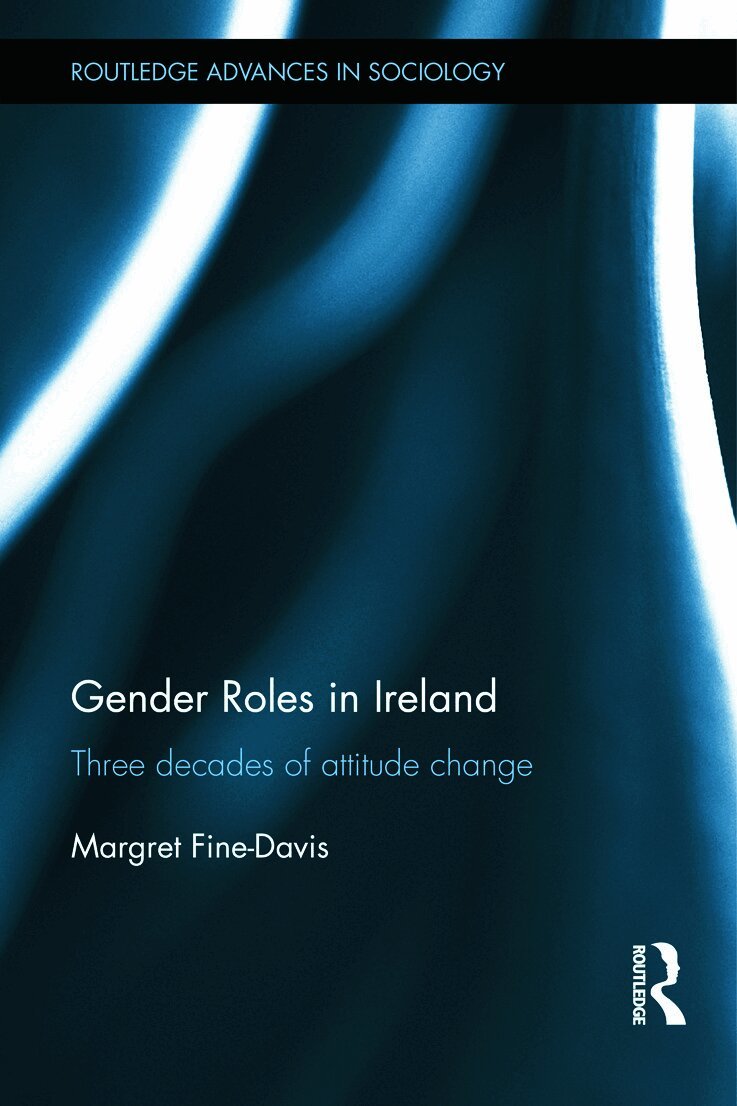
Gender Roles in Ireland: three decades of attitude change documents changing attitudes toward the role of women in Ireland from 1975 to 2005, a key period of social change in this society. The book presents replicated measures from four separate surveys carried out over three decades. These cover a wide range of gender role attitudes as well as key social issues concerning the role of women in Ireland, including equal pay, equal employment opportunity, maternal employment, contraception etc. Attitudes to abortion, divorce and moral issues are also presented and discussed in the context of people’s voting behaviour in national referenda. Taken together, the data available in these studies paint a detailed and complex picture of the evolving role of women in Ireland during a period of rapid social change and key developments in social legislation. The book brings the results up to the present by including new data on current gender role issues from Margret Fine-Davis' latest research.
1 068 kr
Skickas inom 5-8 vardagar
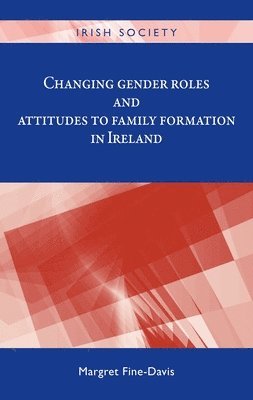
Recent decades have witnessed major changes in gender roles and family patterns, as well as a falling birth rate in Ireland and the rest of Europe. While the traditional family is now being replaced in many cases by new family forms, we do not know the reasons why people are making the choices they are and whether or not these choices are leading to greater well-being. While demographic research has attempted to explain the new trends in family formation and fertility, there has been little research on people's attitudes to family formation and having children. This book presents the results of the first major study to examine people's attitudes to family formation and childbearing in Ireland. Based on a nationwide representative sample of 1,404 men and women in the childbearing age group, the study was carried out against a backdrop of changing gender role attitudes and behaviour as well as significant demographic change.
2 088 kr
Skickas inom 10-15 vardagar
This book chronicles the evolution of women’s participation in the labour force in Ireland over the last five decades. This was largely spearheaded by married women and mothers, leading to many related social issues including childcare, flexible working, the sharing of domestic work and work-life balance. The book presents empirical data on these topics, drawn from the author’s research spanning several decades, and shows how attitudes have evolved and influenced the development of social policy. The book begins by exploring the factors which predisposed some married women to enter the workplace in the early 1970s while most did not and examines the relative well-being of housewives and employed married women. It demonstrates the effects the anti-discrimination legislation of the 1970s had on women’s perceived discrimination over time, showing that women initially denied their own discrimination. The history of childcare policy is examined from the early Government Working Party reports of the 1980s to the evolution of childcare policy in Ireland. Issues of work-life balance are presented through cross-cultural comparisons from Ireland and several European countries, and key questions are asked, such as "are men who work part-time seen as less serious about their careers?" The concluding chapter focuses on how women’s role in the workplace impacts on men and gender relations. Questions are posed concerning the ways in which men’s roles need to adapt and the extent to which workplaces and social policy also need to change to accommodate men and women’s needs for work-life balance.The book will be of interest to social scientists and to students. It will be a valuable resource for courses in the sociology of work and the family, gender studies, social psychology and Irish studies. By providing quantitative data in an accessible form, it will also provide a valuable case study for courses in social research methods.
647 kr
Skickas inom 10-15 vardagar
Gender Roles in Ireland: three decades of attitude change documents changing attitudes toward the role of women in Ireland from 1975 to 2005, a key period of social change in this society. The book presents replicated measures from four separate surveys carried out over three decades. These cover a wide range of gender role attitudes as well as key social issues concerning the role of women in Ireland, including equal pay, equal employment opportunity, maternal employment, contraception etc. Attitudes to abortion, divorce and moral issues are also presented and discussed in the context of people’s voting behaviour in national referenda. Taken together, the data available in these studies paint a detailed and complex picture of the evolving role of women in Ireland during a period of rapid social change and key developments in social legislation. The book brings the results up to the present by including new data on current gender role issues from Margret Fine-Davis' latest research.
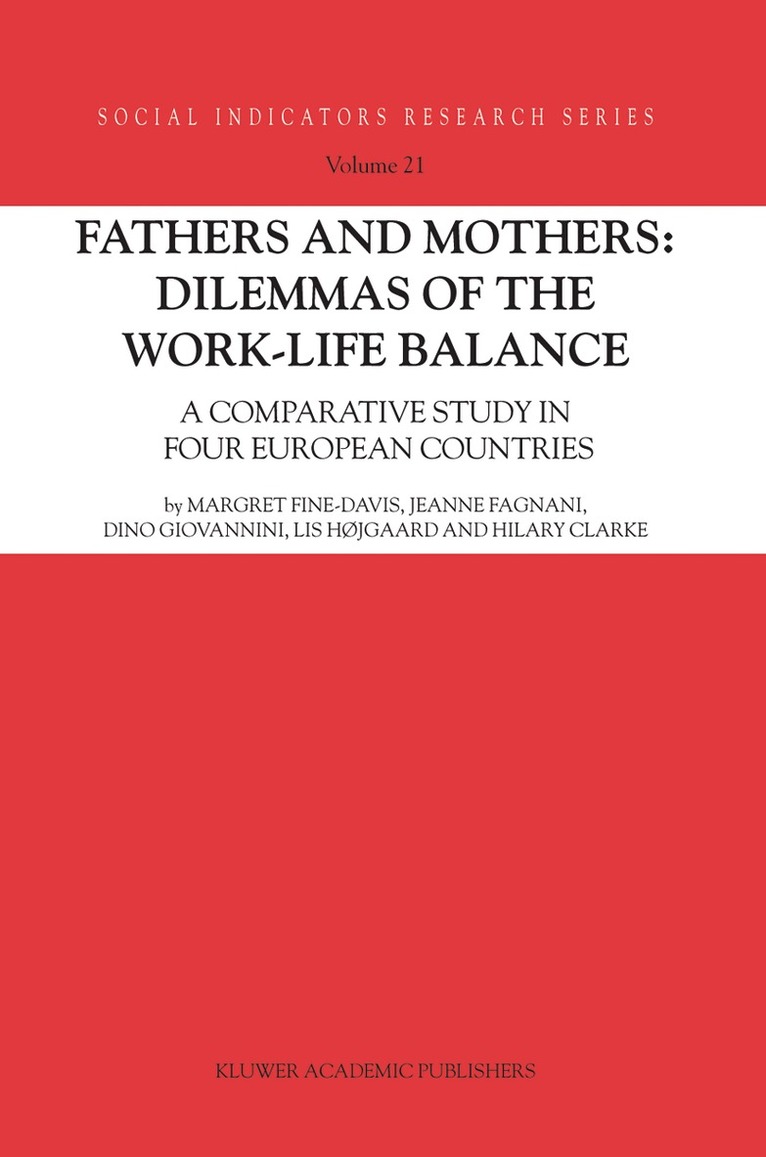
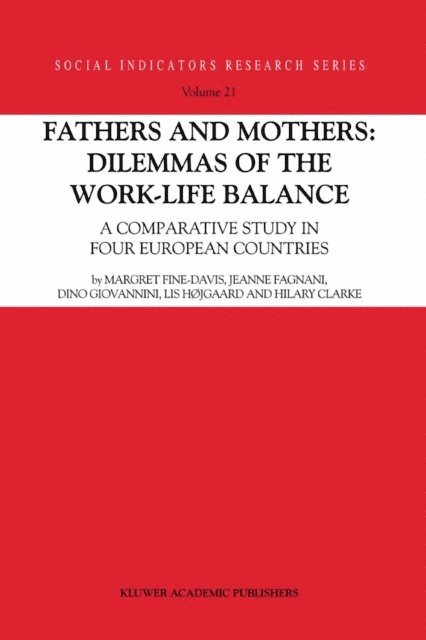
Fathers and Mothers: Dilemmas of the Work-Life Balance
A Comparative Study in Four European Countries
Inbunden, Engelska, 2004
1 069 kr
Skickas inom 10-15 vardagar
At the risk of sounding frivolous, there is a good case to be made for the argument that women constitute the revolutionary force behind contemporary social and economic transformation. It is in large part the changing role of women that explains the new household structure, our altered demographic behaviour, the growth of the service economy and, as a consequence, the new dilemmas that the advanced societies face. Most European countries have failed to adapt adequately to the novel challenges and the result is an increasingly serious disequilibrium. Women explicitly desire economic independence and the societal collective, too, needs to maximise female employment. And yet, this runs up against severe incompatibility problems that then result in very low birth rates. Our aging societies need more kids, yet fertility levels are often only half of what citizens define as their desired number of children. No matter what happens in the next decade, we are doomed to have exceedingly small cohorts that, in turn, must shoulder the massive burden of supporting a retired baby-boom generation. Hence it is tantamount that tomorrow’s adults be maximally productive and, yet, the typical EU member state invests very little in its children and families.
Fathers and Mothers: Dilemmas of the Work-Life Balance
A Comparative Study in Four European Countries
Häftad, Engelska, 2004
1 069 kr
Skickas inom 10-15 vardagar
At the risk of sounding frivolous, there is a good case to be made for the argument that women constitute the revolutionary force behind contemporary social and economic transformation. It is in large part the changing role of women that explains the new household structure, our altered demographic behaviour, the growth of the service economy and, as a consequence, the new dilemmas that the advanced societies face. Most European countries have failed to adapt adequately to the novel challenges and the result is an increasingly serious disequilibrium. Women explicitly desire economic independence and the societal collective, too, needs to maximise female employment. And yet, this runs up against severe incompatibility problems that then result in very low birth rates. Our aging societies need more kids, yet fertility levels are often only half of what citizens define as their desired number of children. No matter what happens in the next decade, we are doomed to have exceedingly small cohorts that, in turn, must shoulder the massive burden of supporting a retired baby-boom generation. Hence it is tantamount that tomorrow’s adults be maximally productive and, yet, the typical EU member state invests very little in its children and families.