Margriet van Eikema Hommes – författare
Visar alla böcker från författaren Margriet van Eikema Hommes. Handla med fri frakt och snabb leverans.
5 produkter
5 produkter
E-bok
PDF, Engelska, 20251 195 kr
Läs direkt efter köp
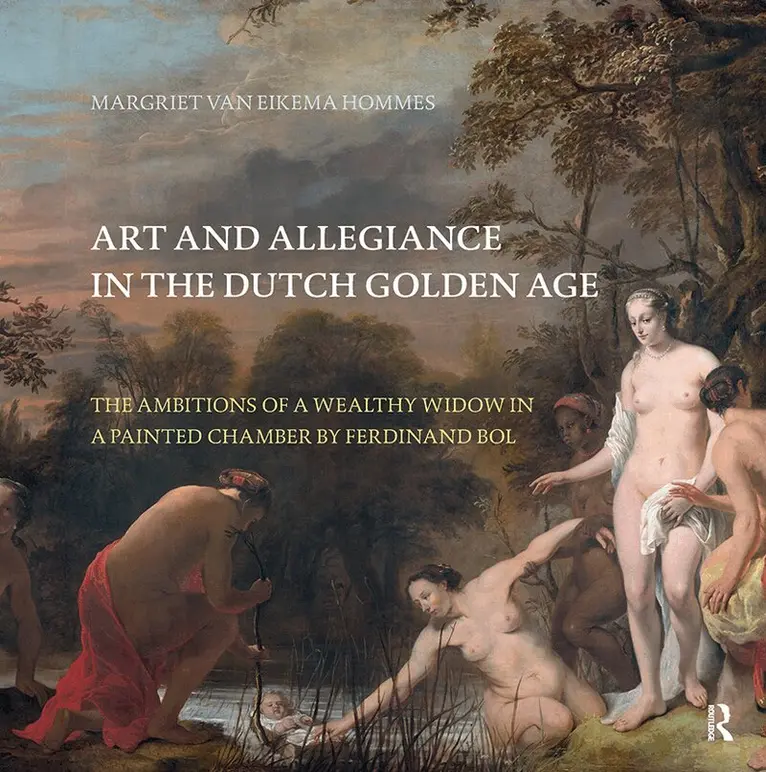
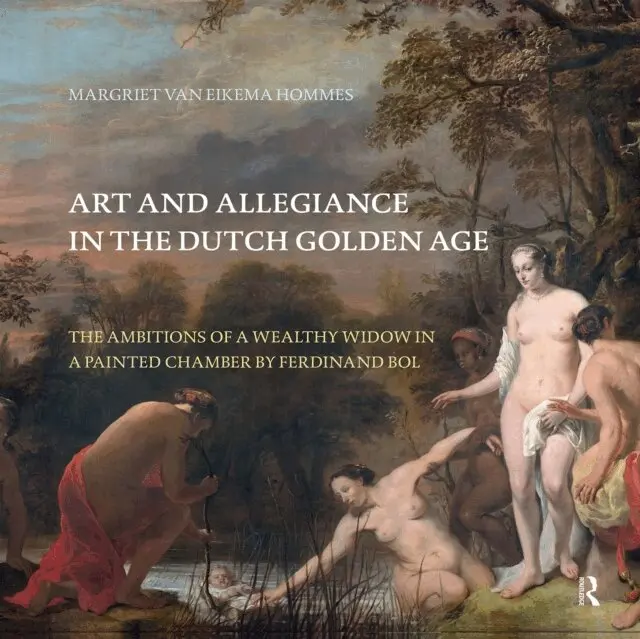
In the early 1650s Ferdinand Bol produced a series of wall-covering paintings. This 'painted chamber' is a unique example of a branch of the art of painting which was extremely popular in the seventeenth century, although hardly any of it now remains. Bol's ensemble has always been surrounded by mysteries. Who was the initial owner, what was the reason for its commission and how were the ceiling-high canvases originally placed? Through a combination of material-technical research and archival, stylistic, iconographic and cultural-historical investigation these questions have for the first time been given convincing answers.,This book, with Bol's unique ensemble in the lead role, is the account of an exciting (art) historical quest. The journey begins with apparently insignificant damage to the canvases and small remnants of old paint and varnish, passing via Biblical, classical and contemporary history to its eventual destination in the remarkable life of a particularly ambitious Utrecht widow. The reader becomes familiar with the religious beliefs, ideals and social ambitions of a remarkable woman, and sees close-up how, through Bol's paintings, she was able to give literal expression to her endeavours in the turbulent Utrecht in the middle of the Golden Age.
E-bok
Engelska, 20251 195 kr
Läs direkt efter köp
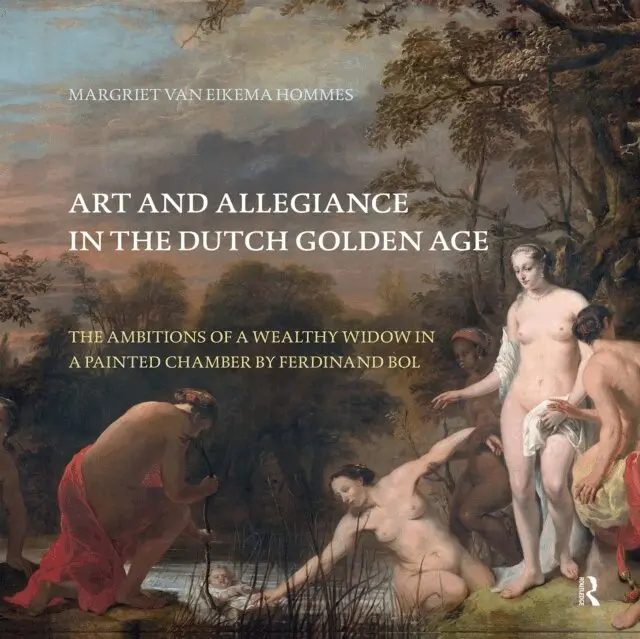
In the early 1650s Ferdinand Bol produced a series of wall-covering paintings. This 'painted chamber' is a unique example of a branch of the art of painting which was extremely popular in the seventeenth century, although hardly any of it now remains. Bol's ensemble has always been surrounded by mysteries. Who was the initial owner, what was the reason for its commission and how were the ceiling-high canvases originally placed? Through a combination of material-technical research and archival, stylistic, iconographic and cultural-historical investigation these questions have for the first time been given convincing answers.,This book, with Bol's unique ensemble in the lead role, is the account of an exciting (art) historical quest. The journey begins with apparently insignificant damage to the canvases and small remnants of old paint and varnish, passing via Biblical, classical and contemporary history to its eventual destination in the remarkable life of a particularly ambitious Utrecht widow. The reader becomes familiar with the religious beliefs, ideals and social ambitions of a remarkable woman, and sees close-up how, through Bol's paintings, she was able to give literal expression to her endeavours in the turbulent Utrecht in the middle of the Golden Age.
Inbunden, Engelska, 2004
921 kr
Skickas inom 5-8 vardagar
Häftad, Engelska, 2012
1 005 kr
Skickas inom 5-8 vardagar
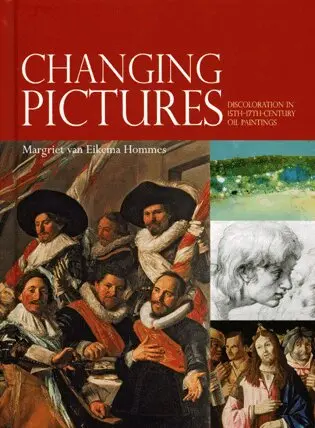
This book uses new techniques of identification to provide a revolutionary analysis of paintings by Ferdinand Bol.
Inbunden, Engelska, 2026
1 555 kr
Skickas inom 5-8 vardagar
In 1672, when the Dutch Republic was under simultaneous attack by four foreign armies, Gerard de Lairesse created a magnificent three-part ceiling painting for one of the main protagonists of this Disaster Year—the powerful former burgomaster of Amsterdam, Andries de Graeff. Technical examination has revealed that Lairesse repeatedly altered his composition and in no fewer than four successive stages, he changed, removed or added figures and objects. In this book, Margriet van Eikema Hommes, in search of an explanation for this ceiling painting’s intriguing origins, investigates its meaning and purpose. The painter and his patron prove to have been jointly responsible for the iconography, which they repeatedly updated to reflect military and political events in the Disaster Year and the dramatic twists of fate in De Graeff’s own life. This beautifully illustrated book not only situates the work within its cultural and historical context but also offers an in-depth examination of Lairesse’s painting technique and the way he meticulously designed his ceiling pieces in close dialogue with the architecture of the room.