Maria Alessia Rossi – författare
Visar alla böcker från författaren Maria Alessia Rossi. Handla med fri frakt och snabb leverans.
16 produkter
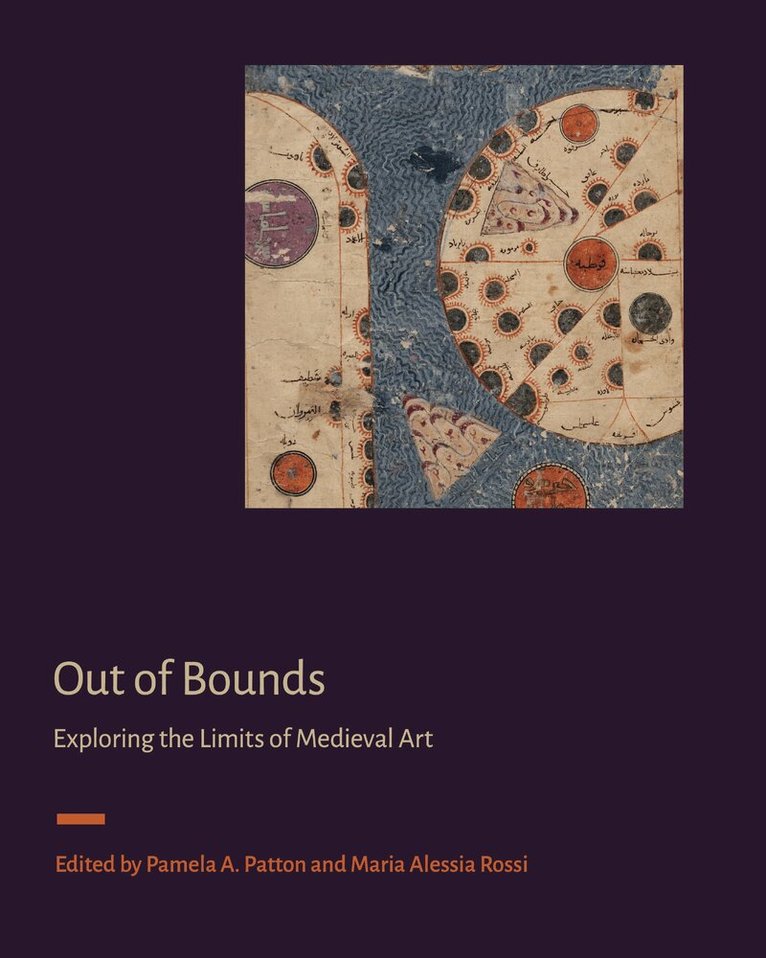
Out of Bounds
Exploring the Limits of Medieval Art
Av Pamela A. Patton, Maria Alessia Rossi
Inbunden, 2023
1185 kr
Lägg i varukorg
Where are the limits of medieval art as a field of study? What happens when conventionally trained art historians disregard the chronological, geographical, or cultural parameters that both direct and protect their scholarship? Beginning with Thelma K. Thomas and Alicia Walker’s acute assessment of …
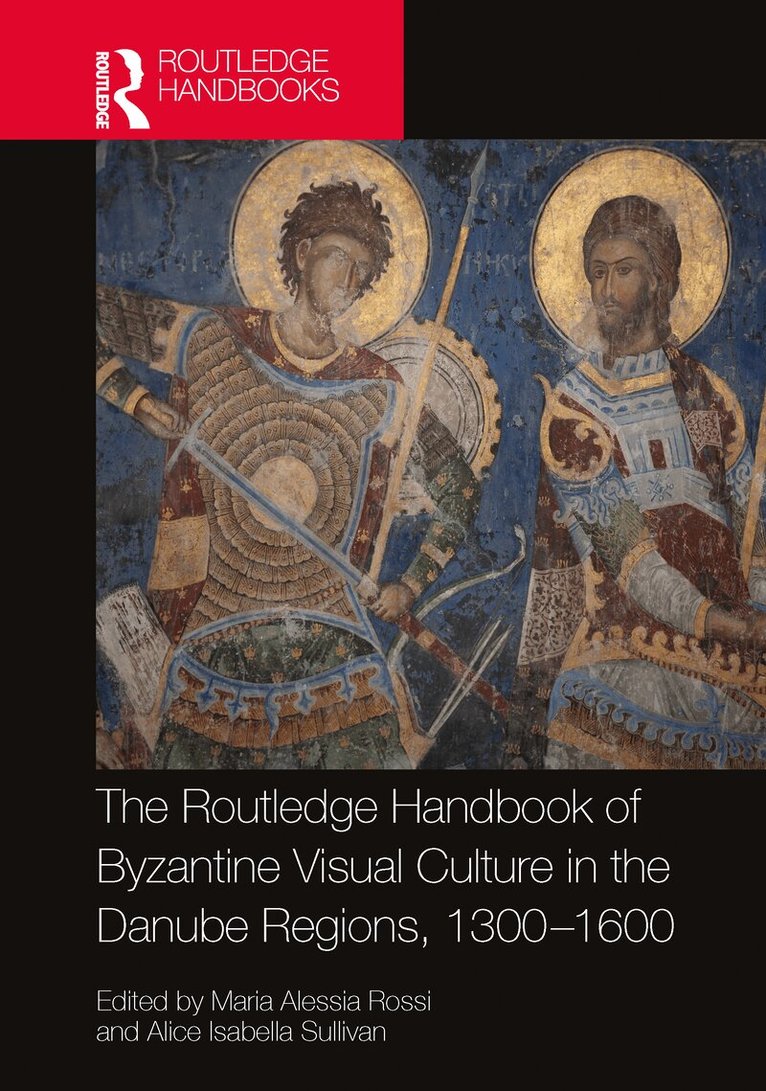
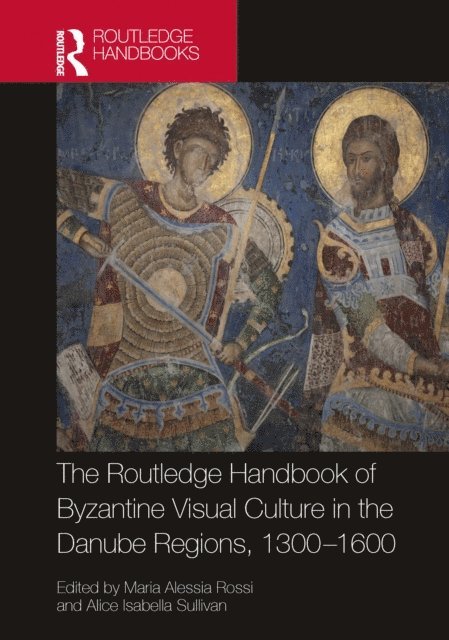
Routledge Handbook of Byzantine Visual Culture in the Danube Regions, 1300-1600
Av Maria Alessia Rossi, Alice Isabella Sullivan
Inbunden, 2024
4348 kr
Lägg i varukorg
This volume aims to broaden and nuance knowledge about the history, art, culture, and heritage of Eastern Europe relative to Byzantium. From the thirteenth century to the decades after the fall of Constantinople in 1453, the regions of the Danube River stood at the intersection of different …
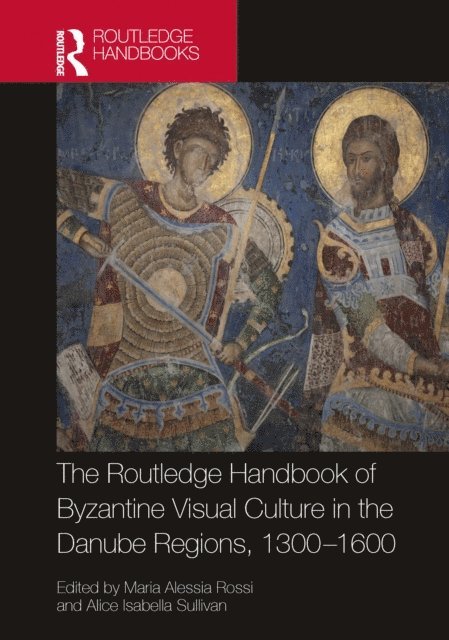
Routledge Handbook of Byzantine Visual Culture in the Danube Regions, 1300-1600
Av Maria Alessia Rossi, Alice Isabella Sullivan
Häftad, 2026
909 kr
Lägg i varukorg
This volume aims to broaden and nuance knowledge about the history, art, culture, and heritage of Eastern Europe relative to Byzantium. From the thirteenth century to the decades after the fall of Constantinople in 1453, the regions of the Danube River stood at the intersection of different …
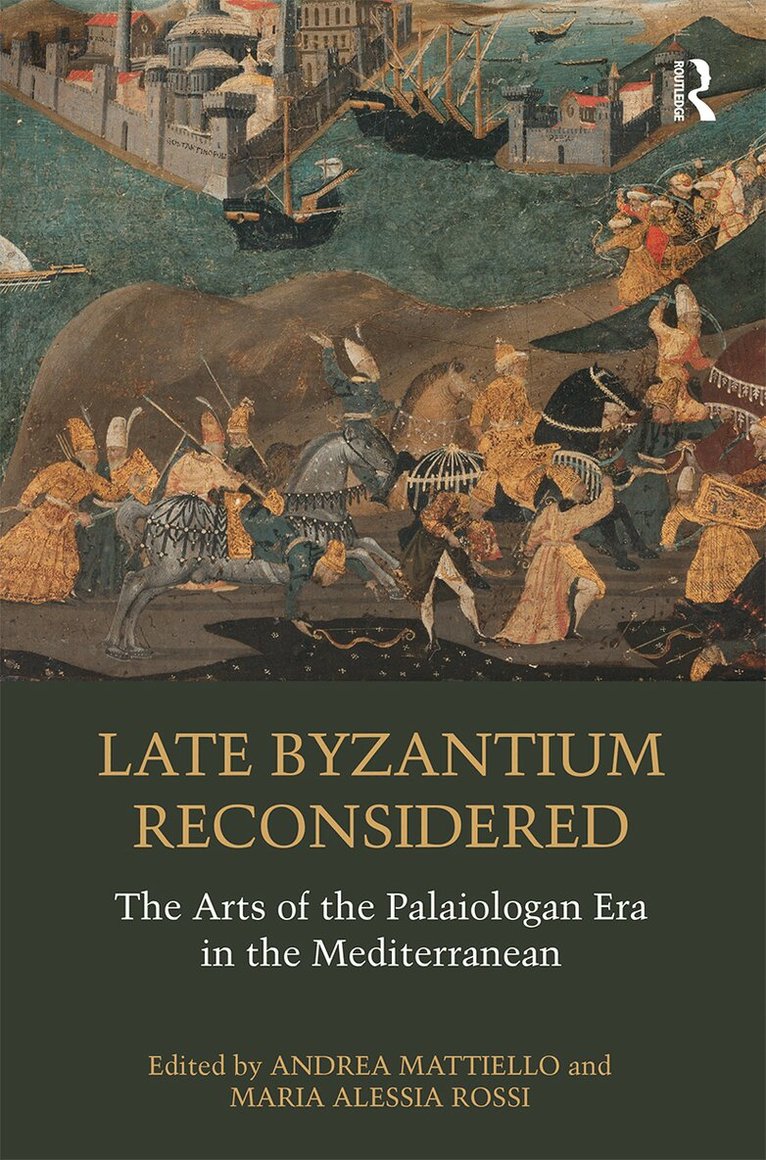
Late Byzantium Reconsidered
The Arts of the Palaiologan Era in the Mediterranean
Av Andrea Mattiello, Maria Alessia Rossi
Häftad, 2020
725 kr
Lägg i varukorg
Late Byzantium Reconsidered offers a unique collection of essays analysing the artistic achievements of Mediterranean centres linked to the Byzantine Empire between 1261, when the Palaiologan dynasty re-conquered Constantinople, and the decades after 1453, when the Ottomans took the city, marking …
Late Byzantium Reconsidered
The Arts of the Palaiologan Era in the Mediterranean
Av Andrea Mattiello, Maria Alessia Rossi
Inbunden, 2019
2578 kr
Lägg i varukorg
Late Byzantium Reconsidered offers a unique collection of essays analysing the artistic achievements of Mediterranean centres linked to the Byzantine Empire between 1261, when the Palaiologan dynasty re-conquered Constantinople, and the decades after 1453, when the Ottomans took the city, marking …
Routledge Handbook of Byzantine Visual Culture in the Danube Regions, 1300-1600
Av Alice Isabella Sullivan, Maria Alessia Rossi
E-bok, 2024
874 kr
Lägg i varukorg
This volume aims to broaden and nuance knowledge about the history, art, culture, and heritage of Eastern Europe relative to Byzantium. From the thirteenth century to the decades after the fall of Constantinople in 1453, the regions of the Danube River stood at the intersection of different …
Routledge Handbook of Byzantine Visual Culture in the Danube Regions, 1300-1600
Av Alice Isabella Sullivan, Maria Alessia Rossi
E-bok, 2024
874 kr
Lägg i varukorg
This volume aims to broaden and nuance knowledge about the history, art, culture, and heritage of Eastern Europe relative to Byzantium. From the thirteenth century to the decades after the fall of Constantinople in 1453, the regions of the Danube River stood at the intersection of different …
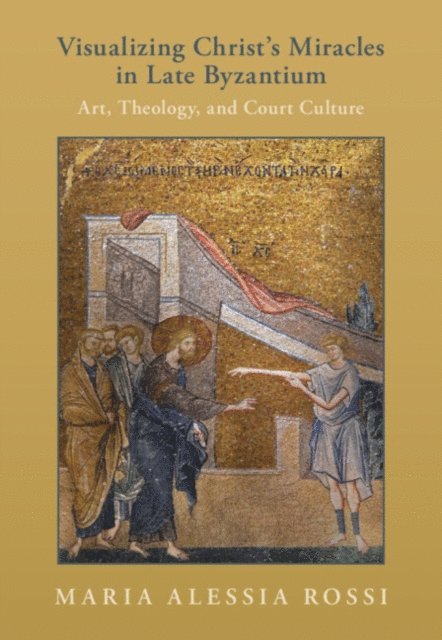
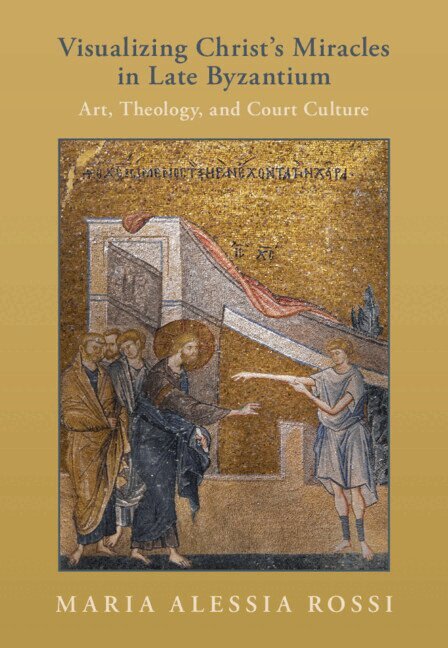
Visualizing Christ's Miracles in Late Byzantium
Art, Theology, and Court Culture
E-bok, 2024
1342 kr
Lägg i varukorg
Visualizing Christ's Miracles in Late Byzantium
Art, Theology, and Court Culture
E-bok, 2024
1386 kr
Lägg i varukorg
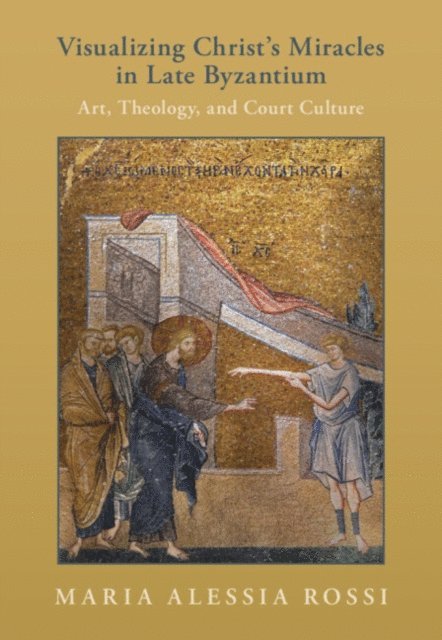
Visualizing Christ's Miracles in Late Byzantium
Art, Theology, and Court Culture
Inbunden, 2024
1370 kr
Lägg i varukorg
This book investigates the political and spiritual agenda behind monumental paintings of Christ's miracles in late Byzantine churches in Constantinople, Mystras, Thessaloniki, Mount Athos, Ohrid, and Kastoria. It is the first exhaustive examination of Christ's miracles in monumental decoration, …
Late Byzantium Reconsidered
The Arts of the Palaiologan Era in the Mediterranean
Av Maria Alessia Rossi, Andrea Mattiello
E-bok, 2019
856 kr
Lägg i varukorg
Late Byzantium Reconsidered offers a unique collection of essays analysing the artistic achievements of Mediterranean centres linked to the Byzantine Empire between 1261, when the Palaiologan dynasty re-conquered Constantinople, and the decades after 1453, when the Ottomans took the city, marking …
Late Byzantium Reconsidered
The Arts of the Palaiologan Era in the Mediterranean
Av Maria Alessia Rossi, Andrea Mattiello
E-bok, 2019
856 kr
Lägg i varukorg
Late Byzantium Reconsidered offers a unique collection of essays analysing the artistic achievements of Mediterranean centres linked to the Byzantine Empire between 1261, when the Palaiologan dynasty re-conquered Constantinople, and the decades after 1453, when the Ottomans took the city, marking …
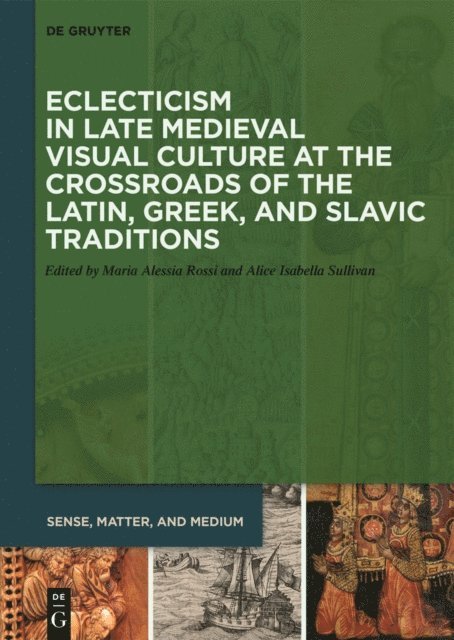
Eclecticism in Late Medieval Visual Culture at the Crossroads of the Latin, Greek, and Slavic Traditions
Av Maria Alessia Rossi, Alice Isabella Sullivan
Inbunden, 2021
1527 kr
Lägg i varukorg
This volume builds upon the new worldwide interest in the global Middle Ages. It investigates the prismatic heritage and eclectic artistic production of Eastern Europe between the fourteenth and seventeenth centuries, while challenging the temporal and geographical parameters of the study of …
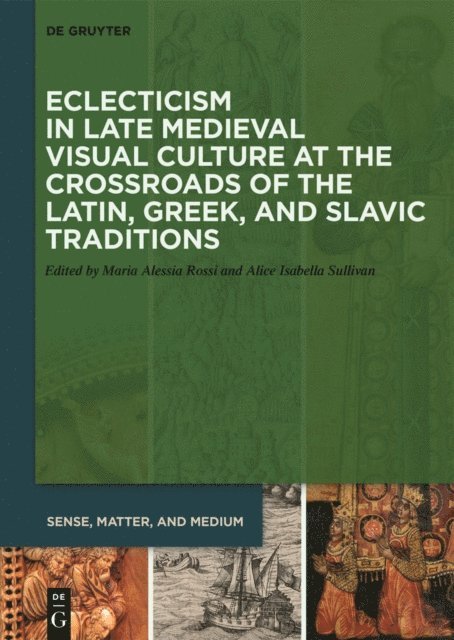
Eclecticism in Late Medieval Visual Culture at the Crossroads of the Latin, Greek, and Slavic Traditions
Av Alice Isabella Sullivan, Maria Alessia Rossi
E-bok, 2021
1195 kr
Lägg i varukorg
This volume builds upon the new worldwide interest in the global Middle Ages. It investigates the prismatic heritage and eclectic artistic production of Eastern Europe between the fourteenth and seventeenth centuries, while challenging the temporal and geographical parameters of the study of …
Eclecticism in Late Medieval Visual Culture at the Crossroads of the Latin, Greek, and Slavic Traditions
Av Alice Isabella Sullivan, Maria Alessia Rossi
E-bok, 2021
1207 kr
Lägg i varukorg
This volume builds upon the new worldwide interest in the global Middle Ages. It investigates the prismatic heritage and eclectic artistic production of Eastern Europe between the fourteenth and seventeenth centuries, while challenging the temporal and geographical parameters of the study of …
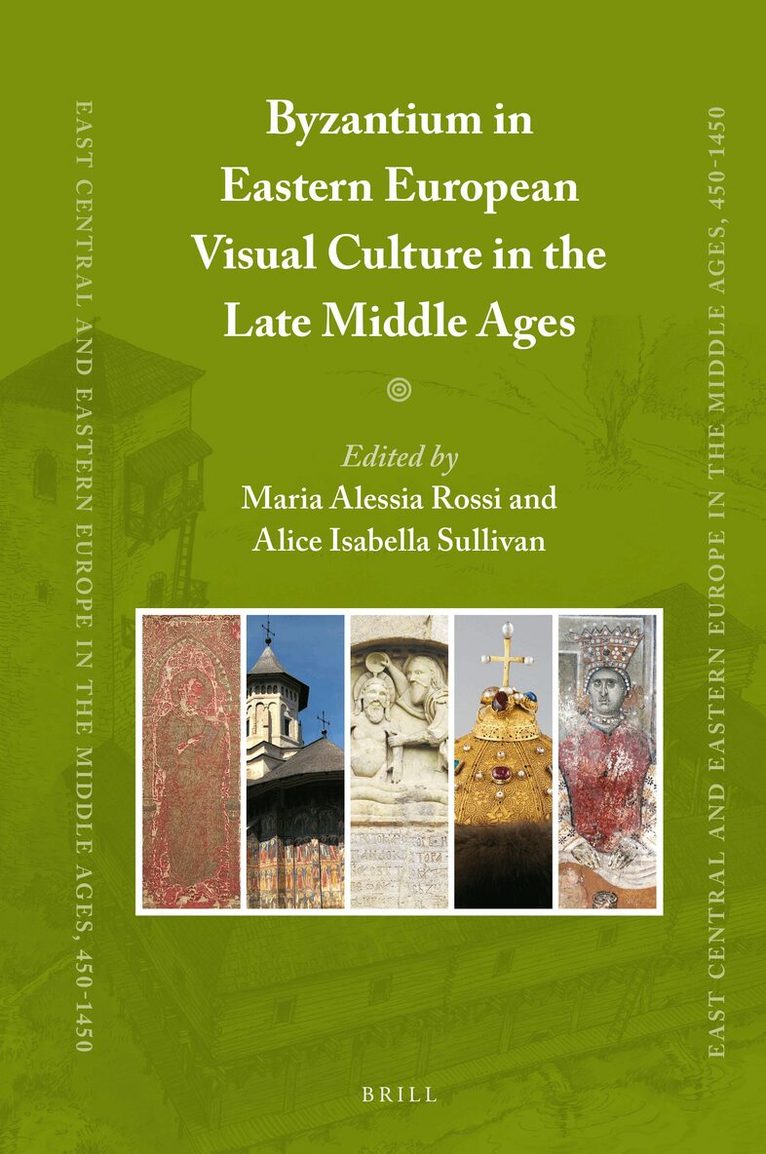
Byzantium in Eastern European Visual Culture in the Late Middle Ages
Inbunden, 2020
2284 kr
Lägg i varukorg
Byzantium in Eastern European Visual Culture in the Late Middle Ages, edited by Maria Alessia Rossi and Alice Isabella Sullivan, engages with issues of cultural contact and patronage, as well as the transformation and appropriation of Byzantine artistic, theological, and political models, alongside …