Maria Angeles Pons Brias – författare
Visar alla böcker från författaren Maria Angeles Pons Brias. Handla med fri frakt och snabb leverans.
5 produkter
5 produkter
Inbunden, Engelska, 2002
2 244 kr
Skickas inom 10-15 vardagar
Banking regulation has been the subject of intense debate in recent years. This book contributes to that debate in its study of the impact of financial regulation on Spanish banking performance, especially profitability, from the end of the Spanish Civil War to the end of the Franco regime. Maria Pons discusses the Francoist authorities' policy of forced industrialization based on heavy industry, and the huge interventionist apparatus that it set up to involve banks in its industrialistic programme. This included several items of banking legislation related to the fixing of interest rates, the expansion of the sector, mergers and so forth. Pons explains the emergence of this regulatory framework and its development to the mid-1970s, as well as examining in detail the response of the Spanish banks to these regulations, and their attempts to take advantage of the opportunities they offered to reduce competition and uncertainty. The book also analyzes the 1962 reforms and subsequent legizlation and the lack of success they had in reducing public intervention in the banking sector.
Häftad, Engelska, 2016
541 kr
Skickas inom 10-15 vardagar
Banking regulation has been the subject of intense debate in recent years. This book contributes to that debate in its study of the impact of financial regulation on Spanish banking performance, especially profitability, from the end of the Spanish Civil War to the end of the Franco regime. Maria Pons discusses the Francoist authorities' policy of forced industrialization based on heavy industry, and the huge interventionist apparatus that it set up to involve banks in its industrialistic programme. This included several items of banking legislation related to the fixing of interest rates, the expansion of the sector, mergers and so forth. Pons explains the emergence of this regulatory framework and its development to the mid-1970s, as well as examining in detail the response of the Spanish banks to these regulations, and their attempts to take advantage of the opportunities they offered to reduce competition and uncertainty. The book also analyzes the 1962 reforms and subsequent legizlation and the lack of success they had in reducing public intervention in the banking sector.
E-bok
Engelska, 2017624 kr
Läs direkt efter köp
Banking regulation has been the subject of intense debate in recent years. This book contributes to that debate in its study of the impact of financial regulation on Spanish banking performance, especially profitability, from the end of the Spanish Civil War to the end of the Franco regime. Maria Pons discusses the Francoist authorities'' policy of forced industrialization based on heavy industry, and the huge interventionist apparatus that it set up to involve banks in its industrialistic programme. This included several items of banking legislation related to the fixing of interest rates, the expansion of the sector, mergers and so forth. Pons explains the emergence of this regulatory framework and its development to the mid-1970s, as well as examining in detail the response of the Spanish banks to these regulations, and their attempts to take advantage of the opportunities they offered to reduce competition and uncertainty. The book also analyzes the 1962 reforms and subsequent legizlation and the lack of success they had in reducing public intervention in the banking sector.
E-bok
PDF, Engelska, 2017618 kr
Läs direkt efter köp
Banking regulation has been the subject of intense debate in recent years. This book contributes to that debate in its study of the impact of financial regulation on Spanish banking performance, especially profitability, from the end of the Spanish Civil War to the end of the Franco regime. Maria Pons discusses the Francoist authorities'' policy of forced industrialization based on heavy industry, and the huge interventionist apparatus that it set up to involve banks in its industrialistic programme. This included several items of banking legislation related to the fixing of interest rates, the expansion of the sector, mergers and so forth. Pons explains the emergence of this regulatory framework and its development to the mid-1970s, as well as examining in detail the response of the Spanish banks to these regulations, and their attempts to take advantage of the opportunities they offered to reduce competition and uncertainty. The book also analyzes the 1962 reforms and subsequent legizlation and the lack of success they had in reducing public intervention in the banking sector.
E-bok
Spanska, 2014197 kr
Läs direkt efter köp
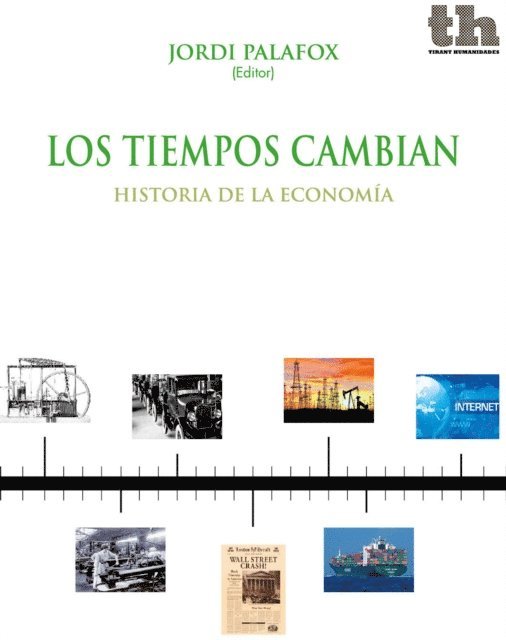
Las enormes disparidades en la renta por habitante entre países han fascinado desde hace siglos a los economistas. Aunque no contamos con una comprensión rigurosa de sus causas que permita, por ejemplo, ampliar el número de países desarrollados, la perspectiva histórica permite comprender por qué unas economías han tenido éxito en ese intento y otras no. Con un lenguaje claro y asequible esta historia de la economia presenta una perspectiva de largo plazo de su evolución destacando las transformaciones que han consolidado un reducido grupo de países con un nivel de bienestar material mucho más elevado que los demás. Pretende no sólo ayudar a comprender cómo han llegado a su posición actual sino entender mejor las transformaciones que lo han hecho posible en tiempos, como los actuales, dominados por el cambio. Su objetivo más inmediato es ser un texto de base para la docencia de las asignaturas de Historia Económica en la enseñanza universitaria en este comienzo del siglo XXI. Pero su contenido aporta información y análisis de interés para todos aquellos que aspiran a comprender mejor las raíces de la situación económica actual del mundo. En el año 2012 Noruega contaba con una renta bruta media de 48.688 dólares en paridad de capacidad de compra y ocupaba el primer lugar entre el conjunto de los países del mundo por el nivel de bienestar económico de sus habitantes. En el extremo opuesto, algunas economías del continente africano con los 319 dólares de la República Democrática del Congo en la última posición de los casi doscientos países considerados por Naciones Unidas para la elaboración de su Informe sobre el Desarrollo Humano 2013. Desde la perspectiva del cociente entre producto y población, el indicador más utilizado para medir el bienestar material de una sociedad, la situación media de los cinco millones de noruegos multiplicaba por 152 la de los 65 millones de habitantes del país africano.