Maria De Cillis - Böcker
Visar alla böcker från författaren Maria De Cillis. Handla med fri frakt och snabb leverans.
3 produkter
3 produkter
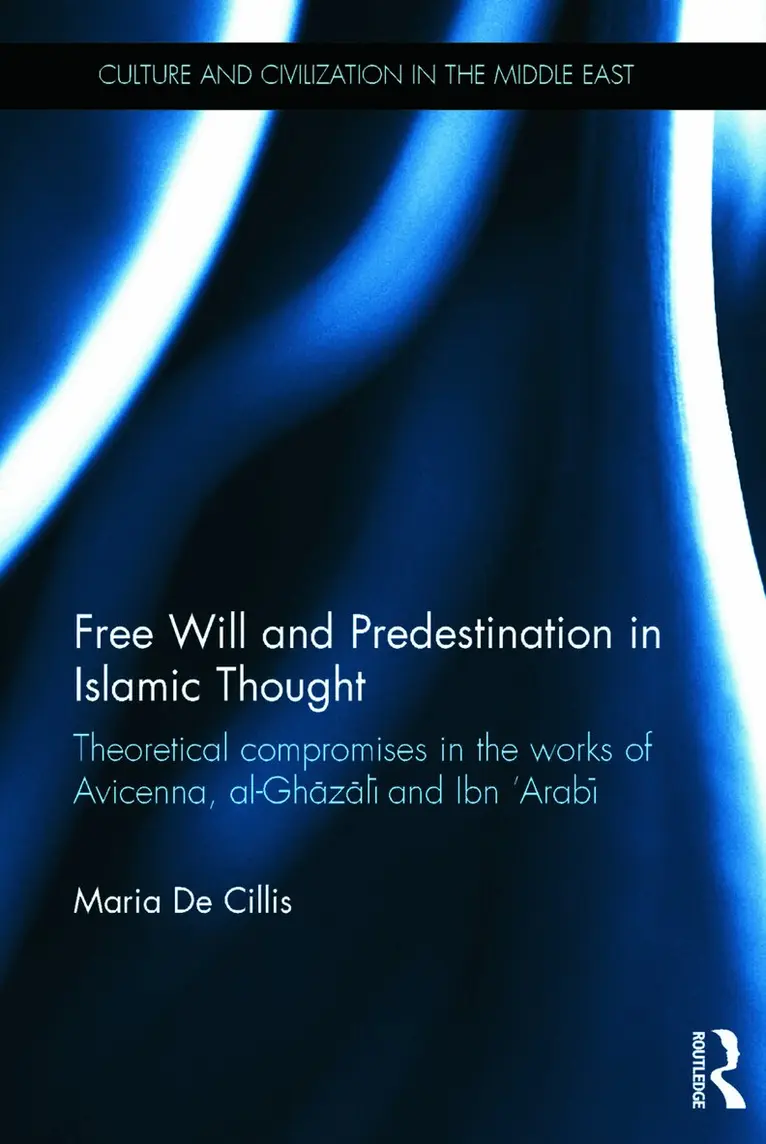
Free Will and Predestination in Islamic Thought
Theoretical Compromises in the Works of Avicenna, al-Ghazali and Ibn 'Arabi
Inbunden, Engelska, 2013
2 317 kr
Skickas inom 10-15 vardagar
The subject of "human free-will" versus "divine predestination" is one of the most contentious topics in classical Islamic thought. By focusing on a theme of central importance to any philosophy of religion, and to Islam in particular, this book offers a critical study of the intellectual contributions offered to this discourse by three key medieval Islamic thinkers: Avicenna, al-Ghāzālī and Ibn ʿArabī. Through investigation of primary sources, Free Will and Predestination in Islamic Thought establishes the historical, political and intellectual circumstances which prompted Avicenna, al-Ghāzālī and Ibn ʿArabī’s attempts at harmonization. By analysing the theoretical and linguistic ‘techniques’ which were employed to convey these endeavours, this book demonstrates that the three individuals were committed to compromise between philosophical, theological and mystical outlooks.Arguing that the three scholars’ treatments of the so-called qaḍā wa’l-qadar (decree and destiny) and ikhtiyār (free-will) issues were innovative, influential and fundamentally more complex than hitherto recognized, this book contributes to a fuller understanding of Islamic intellectual history and culture and will be useful to researchers interested in Islamic Studies, Religion and Islamic Mysticism.
Free Will and Predestination in Islamic Thought
Theoretical Compromises in the Works of Avicenna, al-Ghazali and Ibn 'Arabi
Häftad, Engelska, 2017
727 kr
Skickas inom 10-15 vardagar
The subject of "human free-will" versus "divine predestination" is one of the most contentious topics in classical Islamic thought. By focusing on a theme of central importance to any philosophy of religion, and to Islam in particular, this book offers a critical study of the intellectual contributions offered to this discourse by three key medieval Islamic thinkers: Avicenna, al-Ghāzālī and Ibn ʿArabī. Through investigation of primary sources, Free Will and Predestination in Islamic Thought establishes the historical, political and intellectual circumstances which prompted Avicenna, al-Ghāzālī and Ibn ʿArabī’s attempts at harmonization. By analysing the theoretical and linguistic ‘techniques’ which were employed to convey these endeavours, this book demonstrates that the three individuals were committed to compromise between philosophical, theological and mystical outlooks.Arguing that the three scholars’ treatments of the so-called qaḍā wa’l-qadar (decree and destiny) and ikhtiyār (free-will) issues were innovative, influential and fundamentally more complex than hitherto recognized, this book contributes to a fuller understanding of Islamic intellectual history and culture and will be useful to researchers interested in Islamic Studies, Religion and Islamic Mysticism.
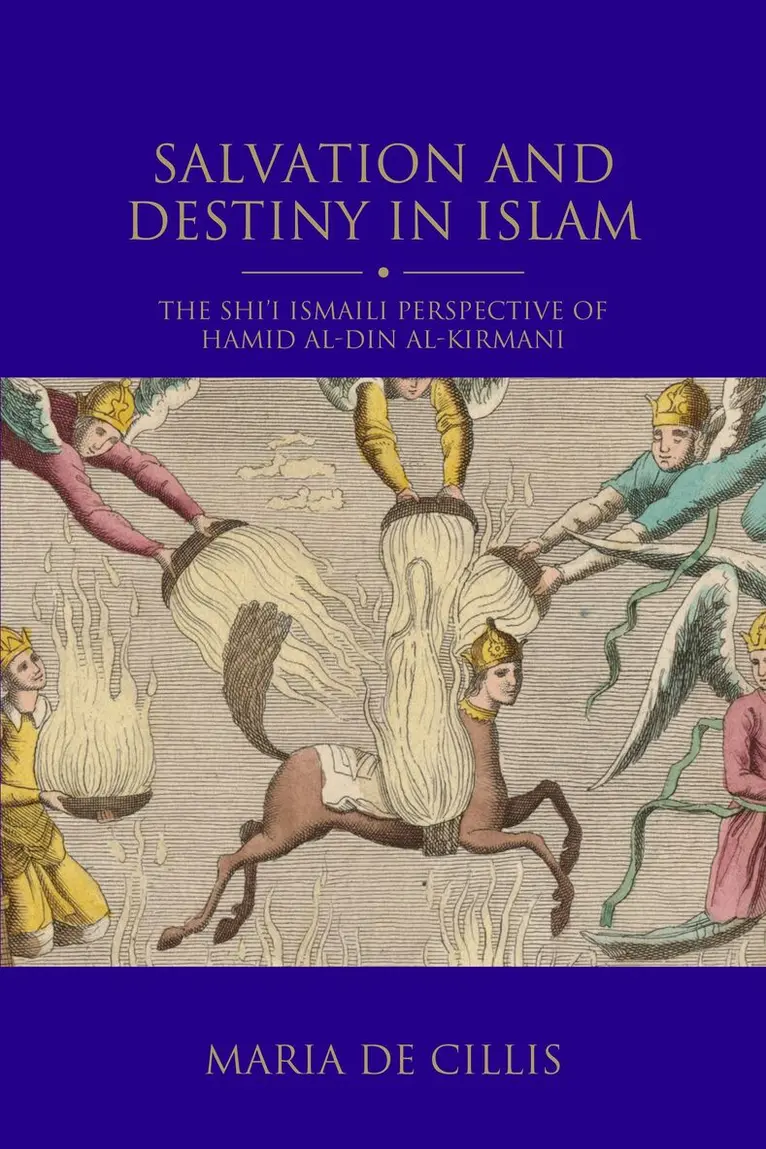
Salvation and Destiny in Islam
The Shi’i Ismaili Perspective of Hamid al-Din al-Kirmani
Inbunden, Engelska, 2018
555 kr
Skickas inom 10-15 vardagar
I.B. Tauris in association with the Institute of Ismaili StudiesMedieval Islamic philosophers were occupied with questions of cosmology, predestination and salvation and human responsibility for actions. For Ismailis, the related notions of religious leadership, namely the imamate, and the eschatological role of the prophets and imams were equally central. These were also a matter of doctrinal controversy within the so-called Iranian school of Ismaili philosophical theology. Hamid al-Din al-Kirmani (d. after 411/1020) was one of the most important theologians in the Fatimid period, who rose to prominence during the reign of the imam-caliph al-Hakim bi-Amr Allah (r. 386/996–411/1021). He is renowned for blending the Neoplatonic philosophical heritage with Ismaili religious tradition. This book provides an analysis of al-Kirmani’s thought and sheds new light on the many layers of allusion which characterise his writings. Through a translation and analytical commentary of the eighth chapter of al-Kirmani’s Kitab al-Riyad (Book of Meadows), which is devoted to the subject of divine preordination and human redemption, Maria De Cillis shows readers first-hand his theologically distinctive interpretation of qada’ and qadar (divine decree and destiny). Here, al-Kirmani attempts to harmonise the views of earlier renowned Ismaili missionaries, Abu Hatim Ahmad b. Hamdan al-Razi (d. 322/934), Muhammad b. Ahmad al-Nasafi (d. 331/942) and Abu Ya'qub Ishaq b. Ahmad al-Sijistani (d. c. 361/971). De Cillis skilfully guides the reader through al-Kirmani’s metaphysical and esoteric correspondences, offering new insights into Shi’i/Ismaili philosophical thought which will be of great interest to those in the field of Shi’i studies and, more broadly, to scholars of medieval philosophy.The ebook editions of this book are available open access under a CC BY-NC-ND 4.0] licence on bloomsburycollections.com. Open access was funded by The Institute of Ismaili Studies LTD.