
Maria de Lourdes Brava da Costa – författare
Visar alla böcker från författaren . Handla med fri frakt och snabb leverans.
3 produkter
3 produkter
E-bok
PDF, Engelska, 20251 278 kr
Läs direkt efter köp
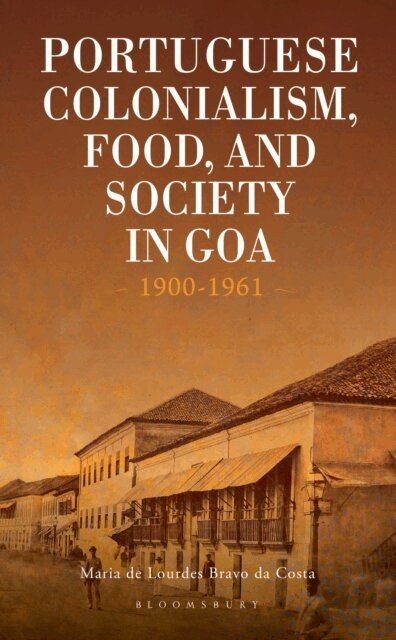
This interdisciplinary study examines the food history of colonial Goa between 1900 and 1961, foregrounding the centrality of food in the region''s sociocultural, economic, and political life. Drawing on archival materials, periodicals in Konkani, Portuguese, and English, oral history, folklore, and literary sources, the book brings together perspectives from anthropology, history, and literary studies to analyse how food scarcity and abundance shaped everyday experiences and power structures.Focusing on the staple crop of rice, the work explores its symbolic and material significance in Goan society, particularly through a close reading of O Signo da Ira by Orlando da Costa. The study reveals how rice shortages empowered elite landlords, entrenched social hierarchies, and intensified the exploitation of mundkars (tenant labourers) and small cultivators by gaunkars (village elites) and the Comunidade agrarian institution. It critiques the collusion between landlords and the colonial government in manipulating rice prices and maintaining systemic inequities through taxation and landholding practices.By recovering the voices and struggles of the subaltern classes, this book offers a nuanced and critical history of food in Goa during the late colonial period. It addresses a significant gap in Goan historiography, highlighting food as a vital lens through which to understand colonialism''s enduring impact on everyday life.
E-bok
Engelska, 20251 321 kr
Läs direkt efter köp
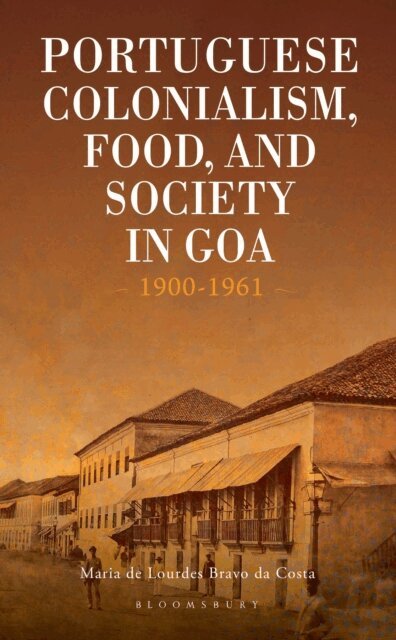
This interdisciplinary study examines the food history of colonial Goa between 1900 and 1961, foregrounding the centrality of food in the region''s sociocultural, economic, and political life. Drawing on archival materials, periodicals in Konkani, Portuguese, and English, oral history, folklore, and literary sources, the book brings together perspectives from anthropology, history, and literary studies to analyse how food scarcity and abundance shaped everyday experiences and power structures.Focusing on the staple crop of rice, the work explores its symbolic and material significance in Goan society, particularly through a close reading of O Signo da Ira by Orlando da Costa. The study reveals how rice shortages empowered elite landlords, entrenched social hierarchies, and intensified the exploitation of mundkars (tenant labourers) and small cultivators by gaunkars (village elites) and the Comunidade agrarian institution. It critiques the collusion between landlords and the colonial government in manipulating rice prices and maintaining systemic inequities through taxation and landholding practices.By recovering the voices and struggles of the subaltern classes, this book offers a nuanced and critical history of food in Goa during the late colonial period. It addresses a significant gap in Goan historiography, highlighting food as a vital lens through which to understand colonialism''s enduring impact on everyday life.

Inbunden, Engelska, 2025
1 200 kr
Skickas inom 5-8 vardagar