
Maria de San Jose Salazar – författare
Visar alla böcker från författaren . Handla med fri frakt och snabb leverans.
2 produkter
2 produkter
Häftad, Engelska, 2002
297 kr
Skickas inom 5-8 vardagar
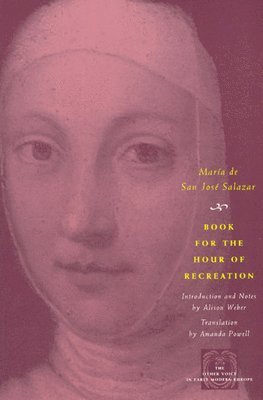
Maria de San Jose Salazar (1548-1603) took the veil as a Discalced ("barefoot") Carmelite nun in 1571, becoming one of Teresa of Avila's most important collaborators in religious reform and serving as prioress of the Seville and Lisbon convents. Within the parameters of the strict Catholic Reformation in Spain, Maria fiercely defended women's rights to define their own spiritual experience and to teach, inspire and lead other women in reforming their church. Maria wrote this book as a defence of the Discalced practice of setting aside two hours each day for conversation, music and staging of religious plays. Casting the book in the form of a dialogue, Maria demonstrates through fictional conversations among a group of nuns during their hours of recreation how women could serve as very effective spiritual teachers for each other. The book includes one of the first biographies of Teresa and a personal account of the troubled founding of the Discalced convent at Seville. A detailed introduction and notes by Alison Weber provide historical and biographical context for Amanda Powell's fluid translation.
E-bok
PDF, Engelska, 2007684 kr
Läs direkt efter köp
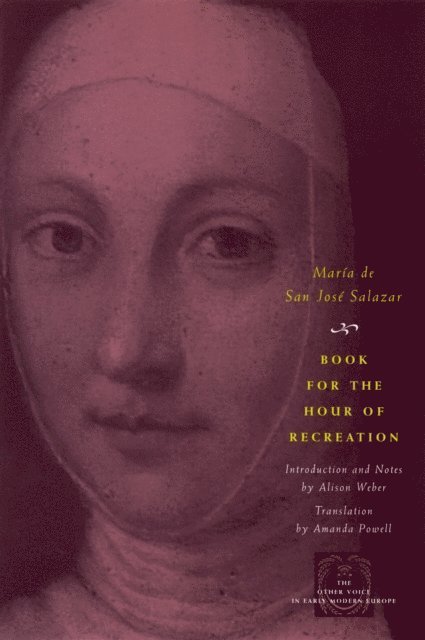
María de San José Salazar (1548-1603) took the veil as a Discalced ("barefoot") Carmelite nun in 1571, becoming one of Teresa of Avila''s most important collaborators in religious reform and serving as prioress of the Seville and Lisbon convents. Within the parameters of the strict Catholic Reformation in Spain, María fiercely defended women''s rights to define their own spiritual experience and to teach, inspire, and lead other women in reforming their church. María wrote this book as a defense of the Discalced practice of setting aside two hours each day for conversation, music, and staging of religious plays. Casting the book in the form of a dialogue, María demonstrates through fictional conversations among a group of nuns during their hours of recreation how women could serve as very effective spiritual teachers for each other. The book includes one of the first biographical portraits of Teresa and Maria''s personal account of the troubled founding of the Discalced convent at Seville, as well as her tribulations as an Inquisitional suspect. Rich in allusions to women''s affective relationships in the early modern convent, Book for the Hour of Recreation also serves as an example of how a woman might write when relatively free of clerical censorship and expectations. A detailed introduction and notes by Alison Weber provide historical and biographical context for Amanda Powell''s fluid translation.