Maria Filomena Molder – författare
Visar alla böcker från författaren Maria Filomena Molder. Handla med fri frakt och snabb leverans.
5 produkter
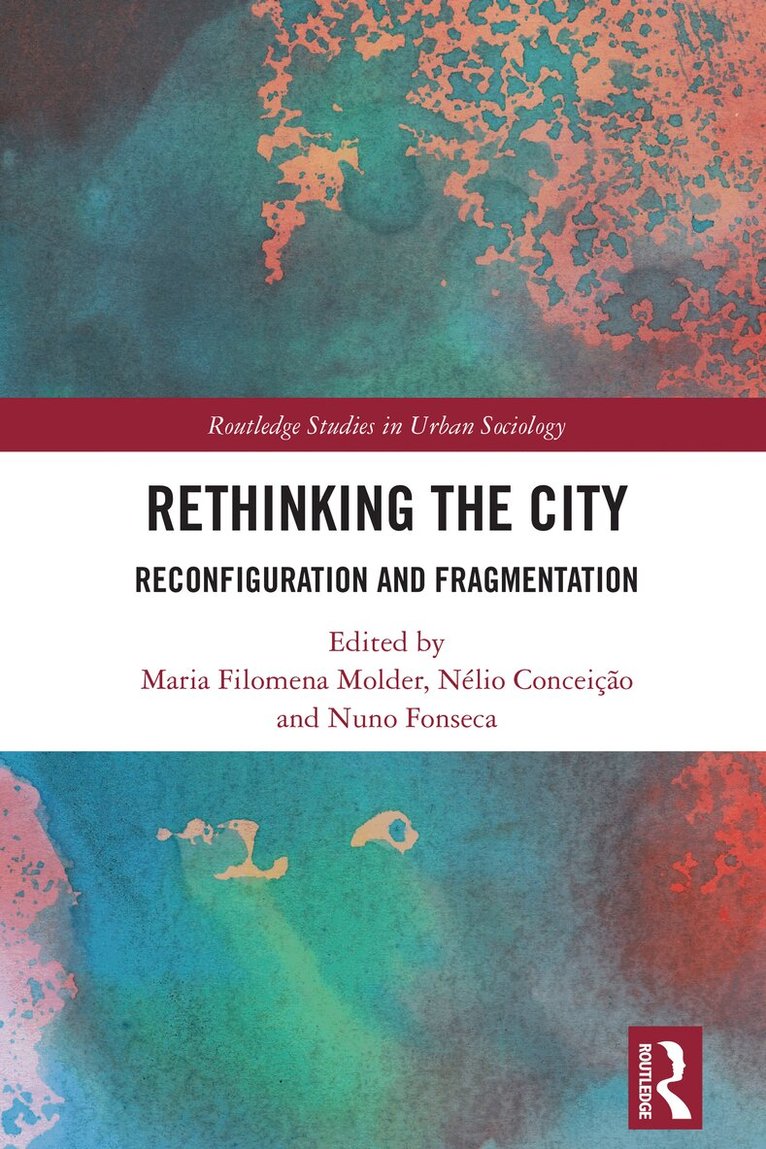
Rethinking the City
Reconfiguration and Fragmentation
Av Maria Filomena Molder, Nélio Conceição m. fl.
Inbunden, 2024
2510 kr
Lägg i varukorg
Interdisciplinary in approach, this book employs the key concepts of fragmentation and reconfiguration to consider the ways in which human experience and artistic practice can engage with and respond to the disintegration that characterises modern cities. Asking how we might unsettle and decrypt …
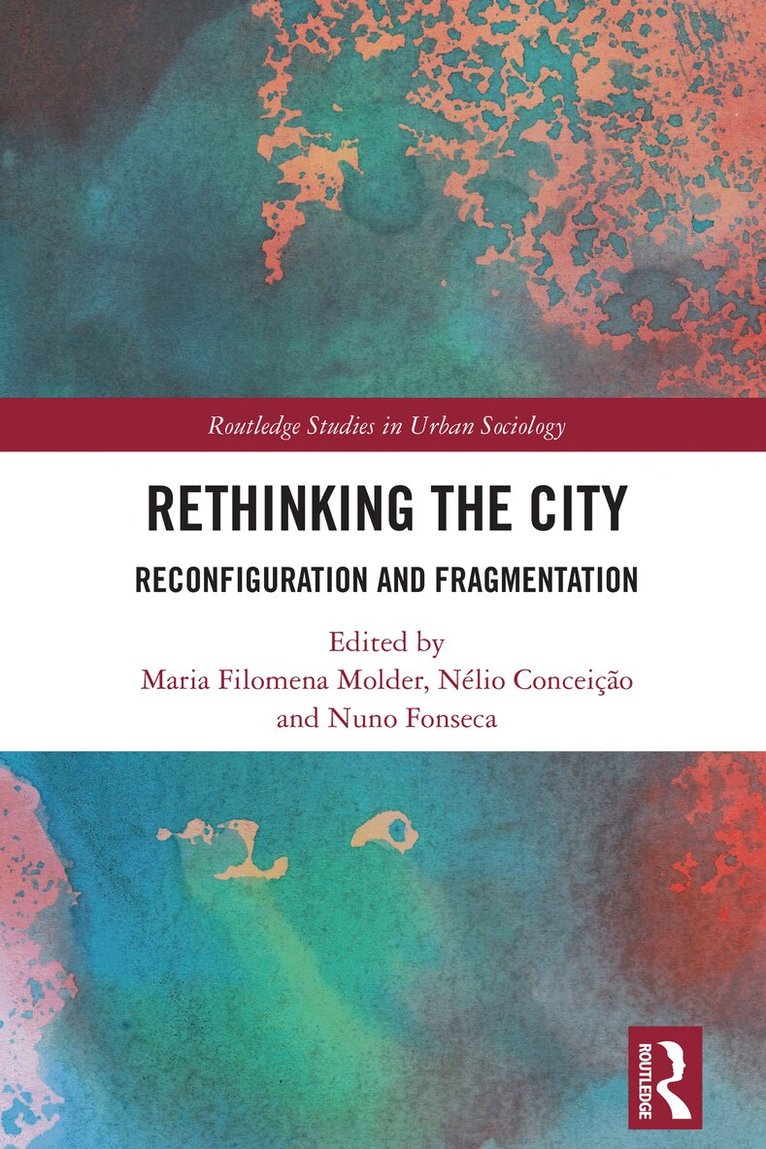
Rethinking the City
Reconfiguration and Fragmentation
Av Maria Filomena Molder, Nélio Conceição m. fl.
Häftad, 2026
706 kr
Lägg i varukorg
Interdisciplinary in approach, this book employs the key concepts of fragmentation and reconfiguration to consider the ways in which human experience and artistic practice can engage with and respond to the disintegration that characterises modern cities. Asking how we might unsettle and decrypt …
Rethinking the City
Reconfiguration and Fragmentation
Av Nuno Fonseca, Nelio Conceicao m. fl.
E-bok, 2024
838 kr
Lägg i varukorg
Interdisciplinary in approach, this book employs the key concepts of fragmentation and reconfiguration to consider the ways in which human experience and artistic practice can engage with and respond to the disintegration that characterises modern cities. Asking how we might unsettle and decrypt …
Rethinking the City
Reconfiguration and Fragmentation
Av Nuno Fonseca, Nelio Conceicao m. fl.
E-bok, 2024
838 kr
Lägg i varukorg
Interdisciplinary in approach, this book employs the key concepts of fragmentation and reconfiguration to consider the ways in which human experience and artistic practice can engage with and respond to the disintegration that characterises modern cities. Asking how we might unsettle and decrypt …
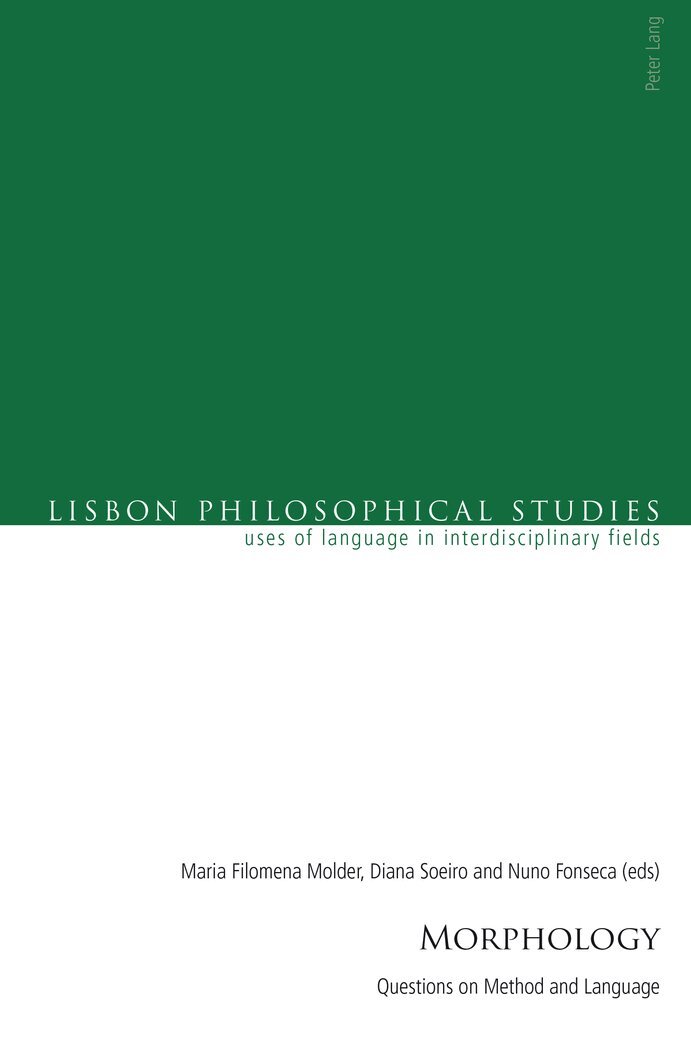
Morphology
Questions on Method and Language
Av Maria Filomena Molder, Diana Soeiro m. fl.
Häftad, 2013
1235 kr
Lägg i varukorg
Johann Wolfgang von Goethe has described Morphology as a science dedicated to the observation and description of everything «that is handled by chance and occasionally in other [sciences]». This meant that morphological research could be undertaken by any science or discipline as far as it …