Maria San Filippo - Böcker
Visar alla böcker från författaren Maria San Filippo. Handla med fri frakt och snabb leverans.
8 produkter
8 produkter
1 037 kr
Skickas inom 11-20 vardagar
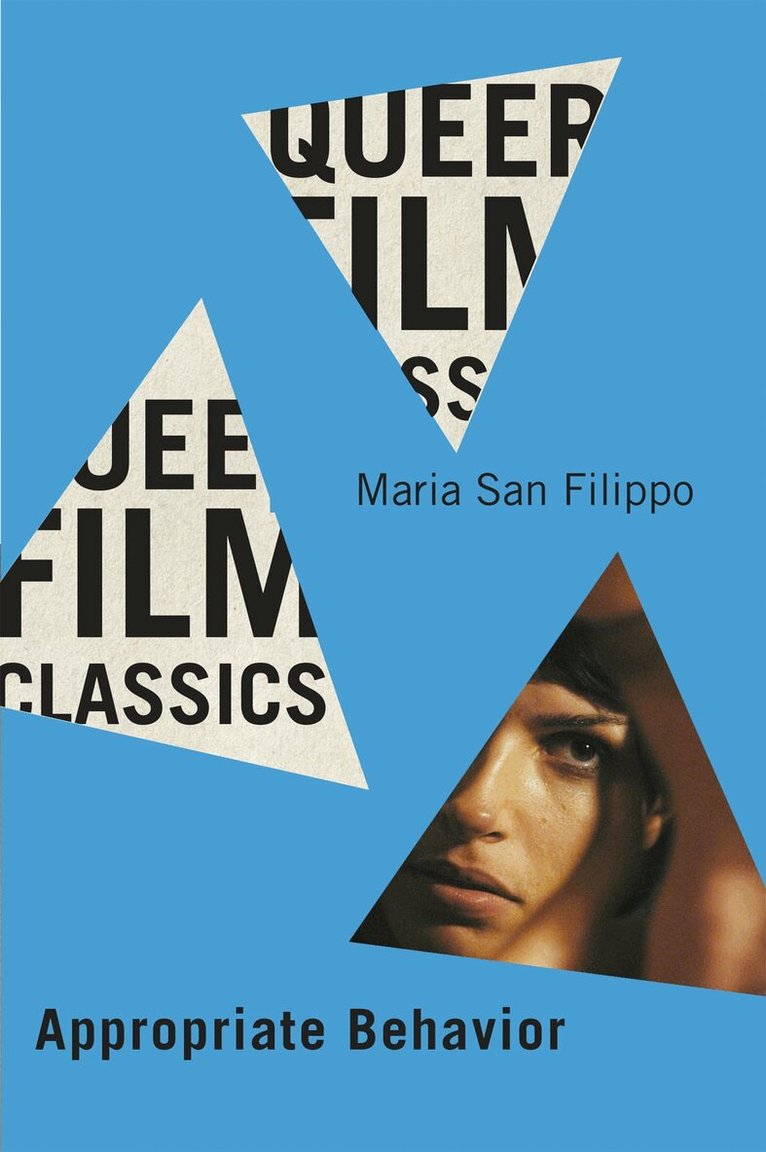
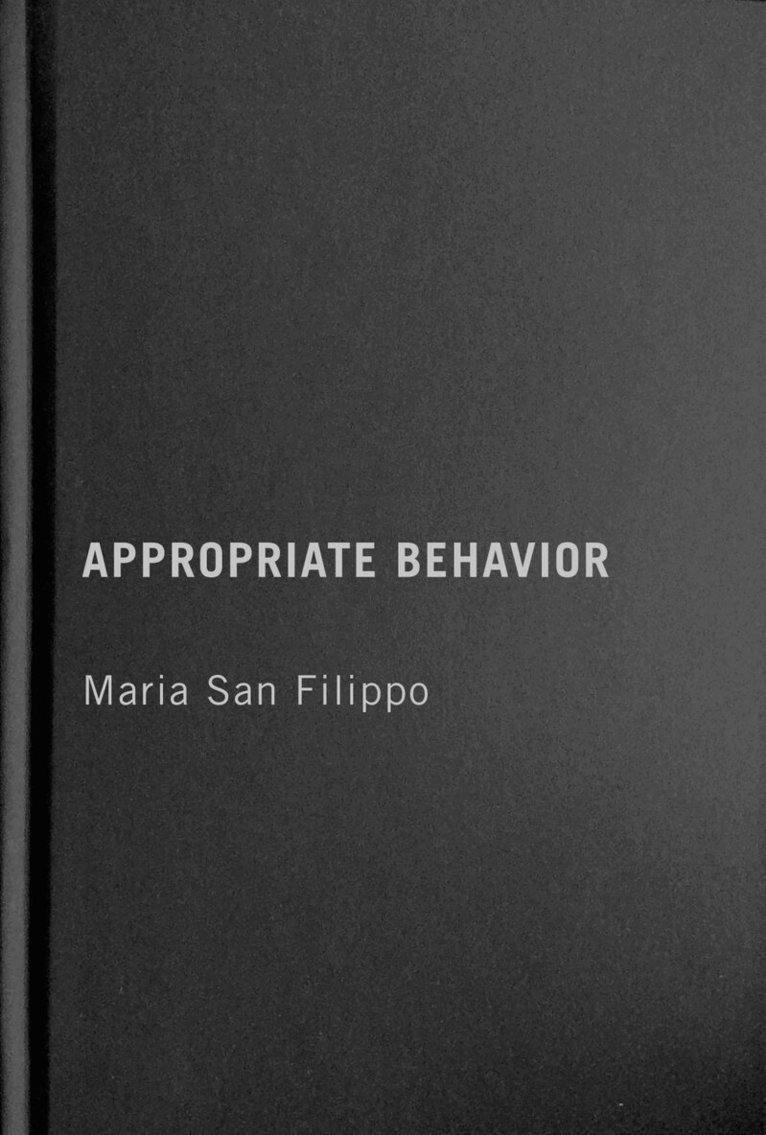
Premiering at Sundance in 2014, Desiree Akhavan's acclaimed debut feature, Appropriate Behavior, introduced the indie film world to the deadpan, irreverent wit that had already won over fans of her trailblazing LGBTQ web series The Slope. The first volume in the Queer Film Classics series to spotlight a work by and about a bisexual woman of colour, this book explores Appropriate Behavior as an instant classic of US indie filmmaking in the 2010s, as a radical reappropriation of straight and gay film genres, as an artist's coming-of-age story, and as a model for feminist-queer creative collaboration. Less than a decade old, Appropriate Behavior captures an urban queer community imperilled by gentrification and homonormativity and serves as exemplar of an innovative wave of independent cinema not yet subsumed by the streaming economy. Maria San Filippo explores how filmmaker and film render a singular voice and story that queers not only its celebrated romcom predecessors but also the gay coming-out film and the lesbian romance alike. The book concludes with an interview with Akhavan.San Filippo pays special tribute to Akhavan's audacious sensibility and the "inbetweener" moxie that makes Appropriate Behavior an unparalleled portrayal of bisexuality.
206 kr
Skickas inom 10-15 vardagar
Premiering at Sundance in 2014, Desiree Akhavan's acclaimed debut feature, Appropriate Behavior, introduced the indie film world to the deadpan, irreverent wit that had already won over fans of her trailblazing LGBTQ web series The Slope. The first volume in the Queer Film Classics series to spotlight a work by and about a bisexual woman of colour, this book explores Appropriate Behavior as an instant classic of US indie filmmaking in the 2010s, as a radical reappropriation of straight and gay film genres, as an artist's coming-of-age story, and as a model for feminist-queer creative collaboration. Less than a decade old, Appropriate Behavior captures an urban queer community imperilled by gentrification and homonormativity and serves as exemplar of an innovative wave of independent cinema not yet subsumed by the streaming economy. Maria San Filippo explores how filmmaker and film render a singular voice and story that queers not only its celebrated romcom predecessors but also the gay coming-out film and the lesbian romance alike. The book concludes with an interview with Akhavan.San Filippo pays special tribute to Akhavan's audacious sensibility and the "inbetweener" moxie that makes Appropriate Behavior an unparalleled portrayal of bisexuality.
854 kr
Skickas inom 10-15 vardagar
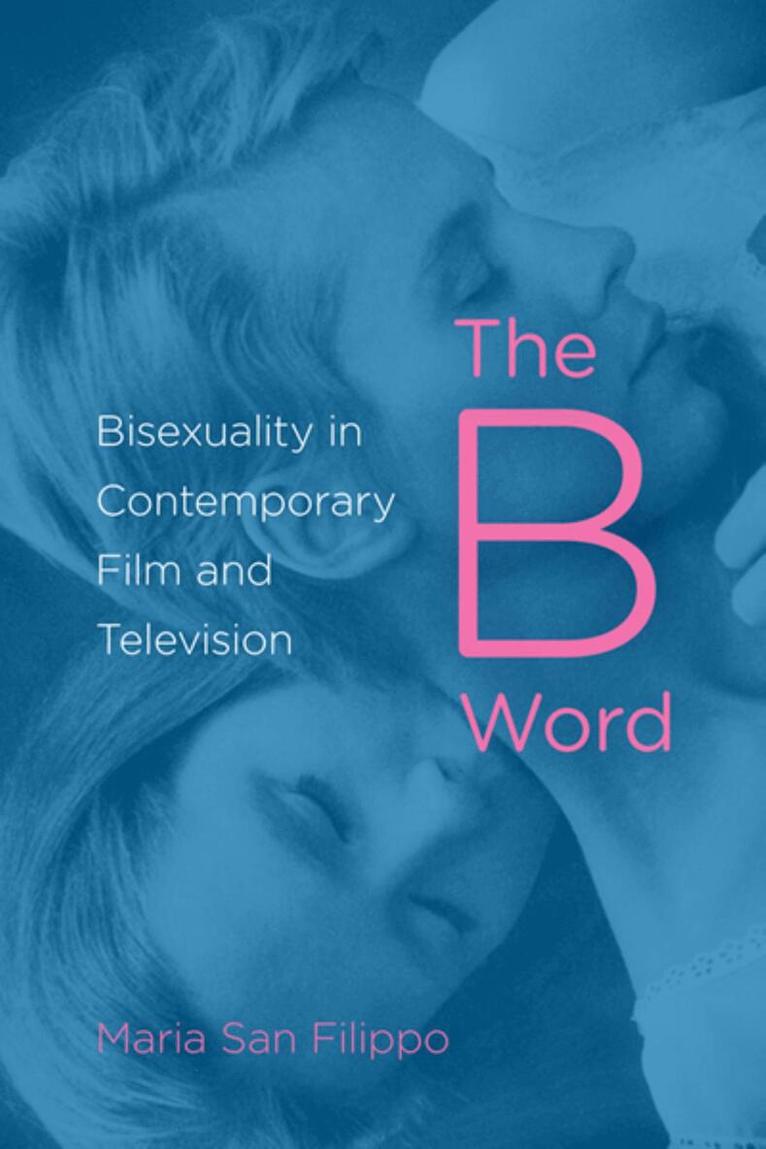
Often disguised in public discourse by terms like "gay," "homoerotic," "homosocial," or "queer," bisexuality is strangely absent from queer studies and virtually untreated in film and media criticism. Maria San Filippo aims to explore the central role bisexuality plays in contemporary screen culture, establishing its importance in representation, marketing, and spectatorship. By examining a variety of media genres including art cinema, sexploitation cinema and vampire films, "bromances," and series television, San Filippo discovers "missed moments" where bisexual readings of these texts reveal a more malleable notion of subjectivity and eroticism. San Filippo's work moves beyond the subject of heteronormativity and responds to "compulsory monosexuality," where it's not necessarily a couple's gender that is at issue, but rather that an individual chooses one or the other. The B Word transcends dominant relational formation (gay, straight, or otherwise) and brings a discursive voice to the field of queer and film studies.
272 kr
Skickas inom 7-10 vardagar
Often disguised in public discourse by terms like "gay," "homoerotic," "homosocial," or "queer," bisexuality is strangely absent from queer studies and virtually untreated in film and media criticism. Maria San Filippo aims to explore the central role bisexuality plays in contemporary screen culture, establishing its importance in representation, marketing, and spectatorship. By examining a variety of media genres including art cinema, sexploitation cinema and vampire films, "bromances," and series television, San Filippo discovers "missed moments" where bisexual readings of these texts reveal a more malleable notion of subjectivity and eroticism. San Filippo's work moves beyond the subject of heteronormativity and responds to "compulsory monosexuality," where it's not necessarily a couple's gender that is at issue, but rather that an individual chooses one or the other. The B Word transcends dominant relational formation (gay, straight, or otherwise) and brings a discursive voice to the field of queer and film studies.
1 002 kr
Skickas inom 7-10 vardagar
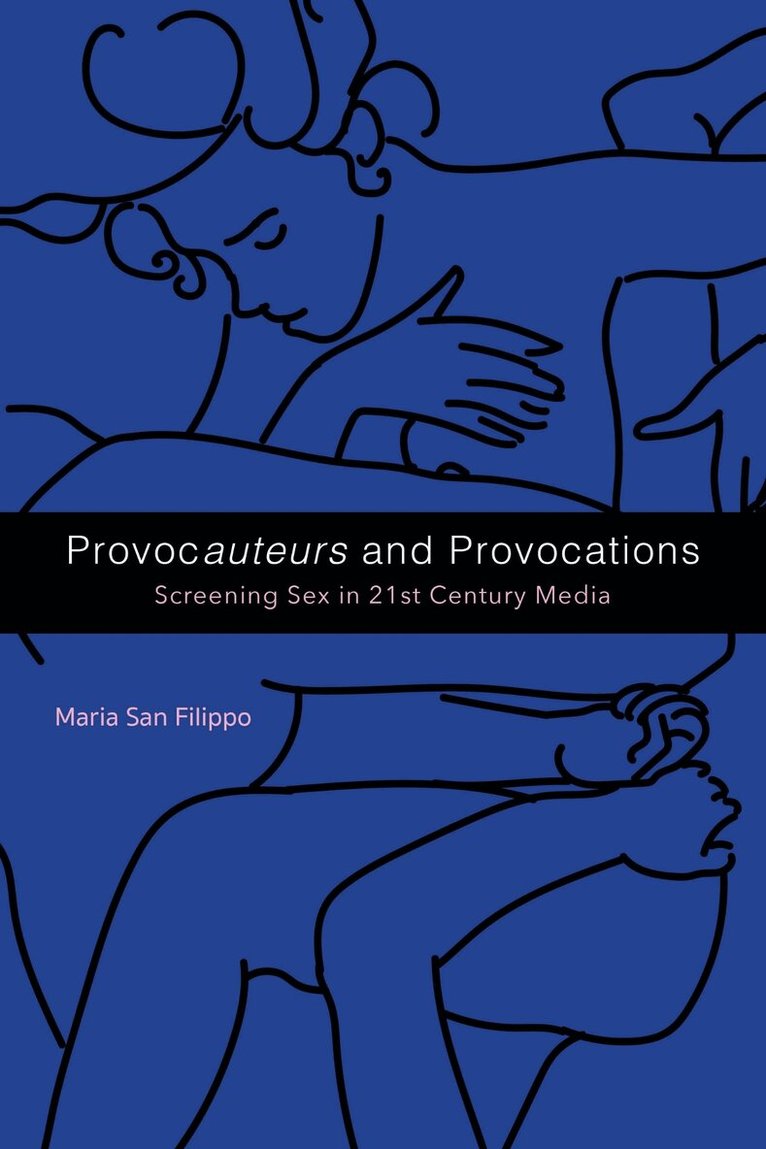
Twenty-first century media has increasingly turned to provocative sexual content to generate buzz and stand out within a glut of programming. New distribution technologies enable and amplify these provocations, and encourage the branding of media creators as "provocauteurs" known for challenging sexual conventions and representational norms.While such strategies may at times be no more than a profitable lure, the most probing and powerful instances of sexual provocation serve to illuminate, question, and transform our understanding of sex and sexuality. In Provocauteurs and Provocations, award-winning author Maria San Filippo looks at the provocative in films, television series, web series and videos, entertainment industry publicity materials, and social media discourses and explores its potential to create alternative, even radical ways of screening sex. Throughout this edgy volume, San Filippo reassesses troubling texts and divisive figures, examining controversial strategies—from "real sex" scenes to scandalous marketing campaigns to full-frontal nudity—to reveal the critical role that sexual provocation plays as an authorial signature and promotional strategy within the contemporary media landscape.
413 kr
Skickas inom 7-10 vardagar
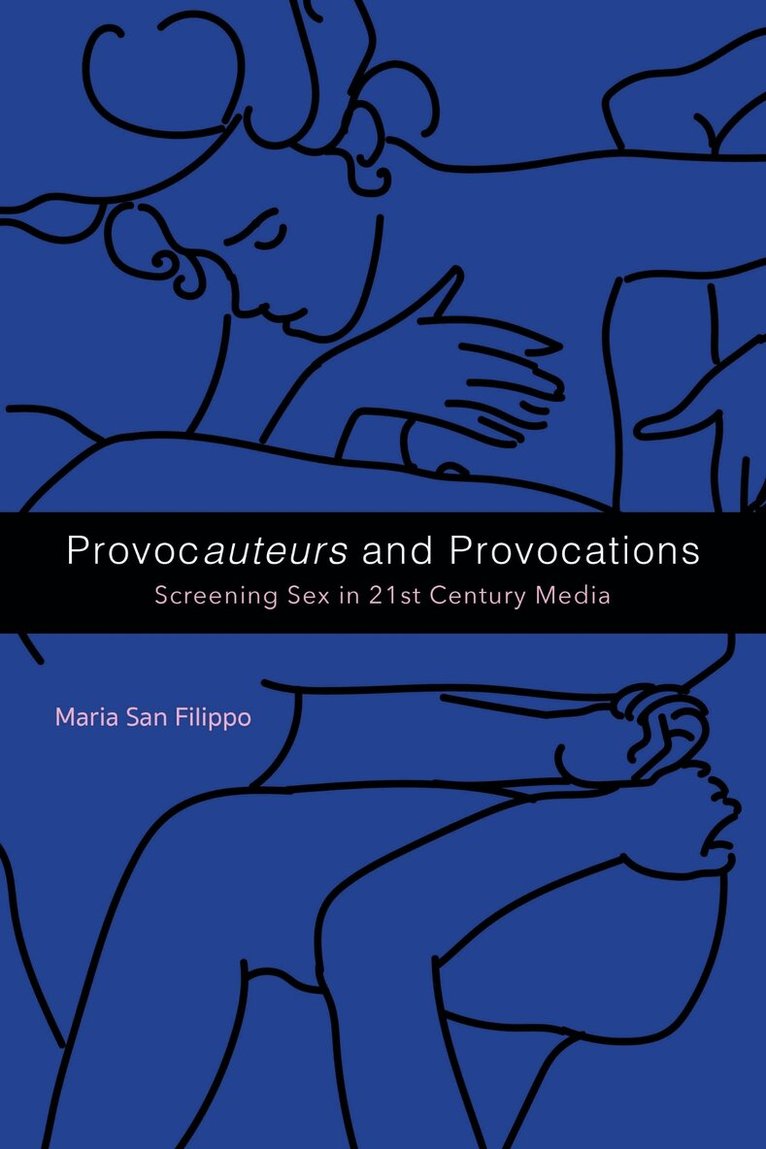
Twenty-first century media has increasingly turned to provocative sexual content to generate buzz and stand out within a glut of programming. New distribution technologies enable and amplify these provocations, and encourage the branding of media creators as "provocauteurs" known for challenging sexual conventions and representational norms.While such strategies may at times be no more than a profitable lure, the most probing and powerful instances of sexual provocation serve to illuminate, question, and transform our understanding of sex and sexuality. In Provocauteurs and Provocations, award-winning author Maria San Filippo looks at the provocative in films, television series, web series and videos, entertainment industry publicity materials, and social media discourses and explores its potential to create alternative, even radical ways of screening sex. Throughout this edgy volume, San Filippo reassesses troubling texts and divisive figures, examining controversial strategies—from "real sex" scenes to scandalous marketing campaigns to full-frontal nudity—to reveal the critical role that sexual provocation plays as an authorial signature and promotional strategy within the contemporary media landscape.
1 065 kr
Skickas inom 10-15 vardagar
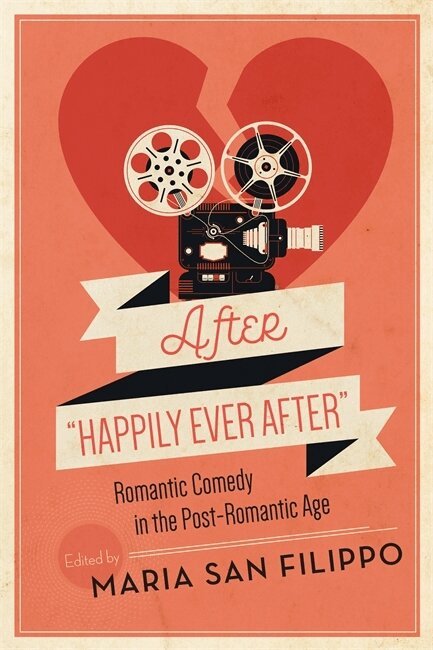
In defiance of the alleged "death of romantic comedy," After "Happily Ever After": Romantic Comedy in the Post-Romantic Age edited by Maria San Filippo attests to rom-com's continuing vitality in new modes and forms that reimagine and rejuvenate the genre in ideologically, artistically, and commercially innovative ways. No longer the idyllic fairy tale, today's romantic comedies ponder the realities and complexities of intimacy, fortifying the genre's gift for imagining human connection through love and laughter. It has often been observed that the rom-com's "happily ever after" trope enables the genre to avoid addressing the challenges of coupled life. This volume's contributors confront how recent rom-coms contend with a "post-romantic age" of romantic disillusionment and seismically shifting emotional and relational bonds. Fifteen chapters contemplate the resurgence of the "radical romantic comedy" and uncoupling comedy, new approaches in genre hybridity and serial narrative, and how recent rom-coms deal with divisive topical issues and contemporary sexual mores from reproductive politics and marriage equality to hook-up culture and technology-enabled sex. Rom-coms remain underappreciated and underexamined-and still largely defined within Hollywood's parameters of culturally normative coupling and its persistent marginalization of racial and sexual minorities. Making the case for taking romantic comedy seriously, this volume employs critical perspectives drawn from feminist, queer, postcolonial, and race studies to critique the genre's homogeneity and social and sexual conservatism, recognizing innovative works inclusive of LGBTQ people, people of color, and the differently aged and abled. Encompassing a rich range of screen media from the last decade, After "Happily Ever After" celebrates works that disrupt and subvert rom-com fantasy and formula so as to open audience's eyes along with our hearts. This volume is intended for all readers with an interest in film, media, and gender studies.
383 kr
Skickas inom 7-10 vardagar
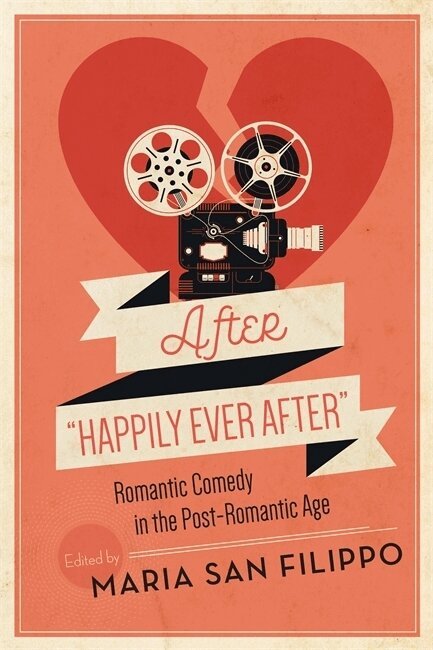
In defiance of the alleged "death of romantic comedy," After "Happily Ever After": Romantic Comedy in the Post-Romantic Age edited by Maria San Filippo attests to rom-com's continuing vitality in new modes and forms that reimagine and rejuvenate the genre in ideologically, artistically, and commercially innovative ways. No longer the idyllic fairy tale, today's romantic comedies ponder the realities and complexities of intimacy, fortifying the genre's gift for imagining human connection through love and laughter. It has often been observed that the rom-com's "happily ever after" trope enables the genre to avoid addressing the challenges of coupled life. This volume's contributors confront how recent rom-coms contend with a "post-romantic age" of romantic disillusionment and seismically shifting emotional and relational bonds. Fifteen chapters contemplate the resurgence of the "radical romantic comedy" and uncoupling comedy, new approaches in genre hybridity and serial narrative, and how recent rom-coms deal with divisive topical issues and contemporary sexual mores from reproductive politics and marriage equality to hook-up culture and technology-enabled sex. Rom-coms remain underappreciated and underexamined-and still largely defined within Hollywood's parameters of culturally normative coupling and its persistent marginalization of racial and sexual minorities. Making the case for taking romantic comedy seriously, this volume employs critical perspectives drawn from feminist, queer, postcolonial, and race studies to critique the genre's homogeneity and social and sexual conservatism, recognizing innovative works inclusive of LGBTQ people, people of color, and the differently aged and abled. Encompassing a rich range of screen media from the last decade, After "Happily Ever After" celebrates works that disrupt and subvert rom-com fantasy and formula so as to open audience's eyes along with our hearts. This volume is intended for all readers with an interest in film, media, and gender studies.