Mariam Konaté - Böcker
Visar alla böcker från författaren Mariam Konaté. Handla med fri frakt och snabb leverans.
6 produkter
6 produkter
Del 19 - Equity in Higher Education Theory, Policy, and Praxis
Black Feminist Coup
Black Women’s Lived Experiences in White Supremacist Feminist Academic Spaces
Häftad, Engelska, 2024
406 kr
Skickas inom 5-8 vardagar
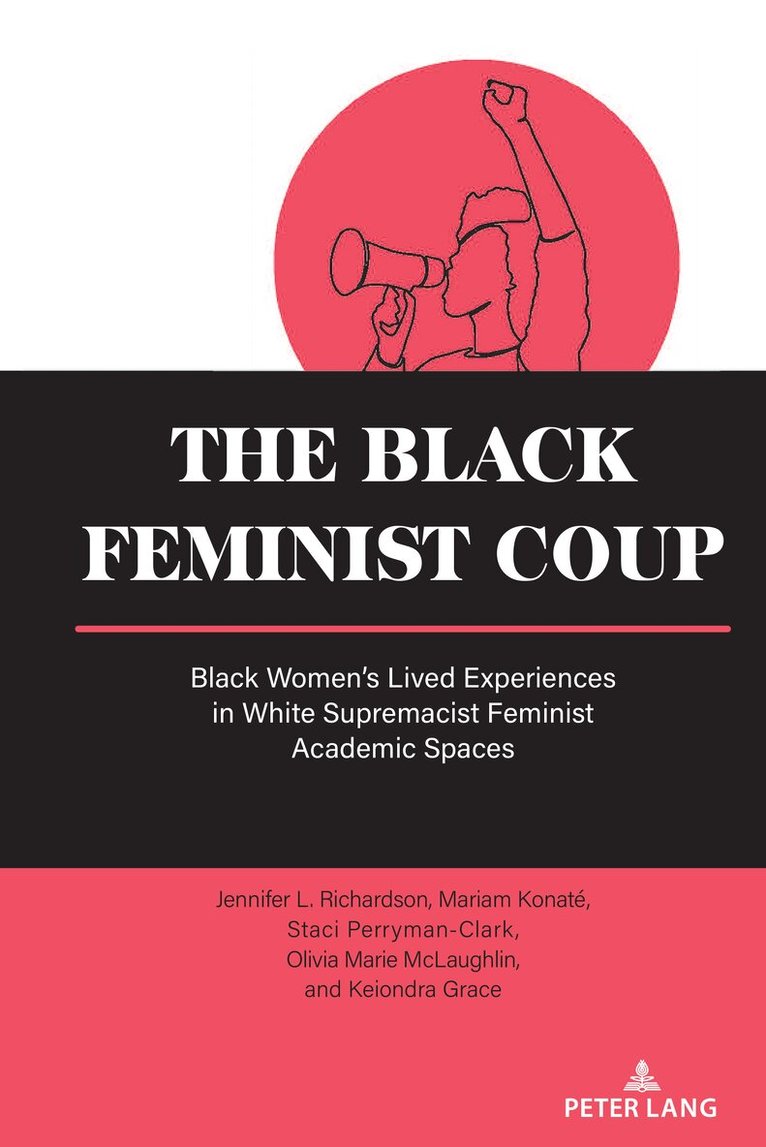
The Black Feminist Coup: Black Women’s Lived Experiences in White Supremacist Feminist Academic Spaces is a collective narrative of how three Black women faculty at a large Midwestern PWI, and two of their former students and allies build alliances to collaboratively disrupt white supremacist feminist spaces. Themes of what it means to be a fugitive, to be free, and to be a feminist inform how we envision the future of Black women’s labor in the academy. More specifically, this project explores intersecting narratives of how three Black women faculty fled a racist and microaggressive Gender and Women’s Studies (GWS) department, following the start of the COVID 19 pandemic and the 2020 summer of racial unrest, and moved to an institute that houses African American and African studies. Their stories of misogynoir reflect a brutal irony that GWS departments expect Black women to further all women’s interests while impeding Black women’s ability to thrive. This work demands that institutions bear responsibility in providing Black women with an environment to thrive, and dream of new possibilities and opportunities to develop curricula and initiatives that center Black lives with priority. Bridging at the intersections of feminism, Black Studies, and higher education, this project surveys concepts of survival, trauma, pain, and healing to offer future possibilities for dismantling and challenging systems of white supremacy in the academy.The Black Feminist Coup is a groundbreaking text. Through courageous counter-stories and brilliant theoretical engagements, the authors spotlight the various intellectual traditions, institutional arrangements, power dynamics, and sociocultural practices that have made academia a persistent site of oppression and violence for Black women. Although such an offering would be more than enough for a single text, the book also provides a clear and accessible pathway toward dismantling White supremacy, nurturing radical resistance, and building safe and productive intellectual spaces for Black women within academia.—Marc Lamont Hill, Presidential Professor of Urban Education andAnthropology at CUNY Graduate CenterTHE BLACK FEMINIST COUP is a compelling, courageous co-authored monograph that explores the lived experiences of a group of mostly Black women in white supremacist feminist spaces at one university. Grounded in Black feminist history and theory, this pioneering text makes visible – in moving and painful ways-- the impact of racism, sexism, and misogynoir on Black feminists in the academy during various junctures of their journeys, including, perhaps surprisingly, women’s and gender studies spaces. Especially instructive is the book’s exploration of what cross-racial solidarities might mean in feminist academic spaces and what white women in particular might learn from these analyses and blueprints for transformation.—Beverly Guy-Sheftall, The Anna Julia Cooper Professor of Comparative Women’s Studies atSpelman College and co-edited WORDS OF FIRE (New Press, 1995)
Del 19 - Equity in Higher Education Theory, Policy, and Praxis
Black Feminist Coup
Black Women’s Lived Experiences in White Supremacist Feminist Academic Spaces
Inbunden, Engelska, 2024
1 029 kr
Skickas inom 5-8 vardagar
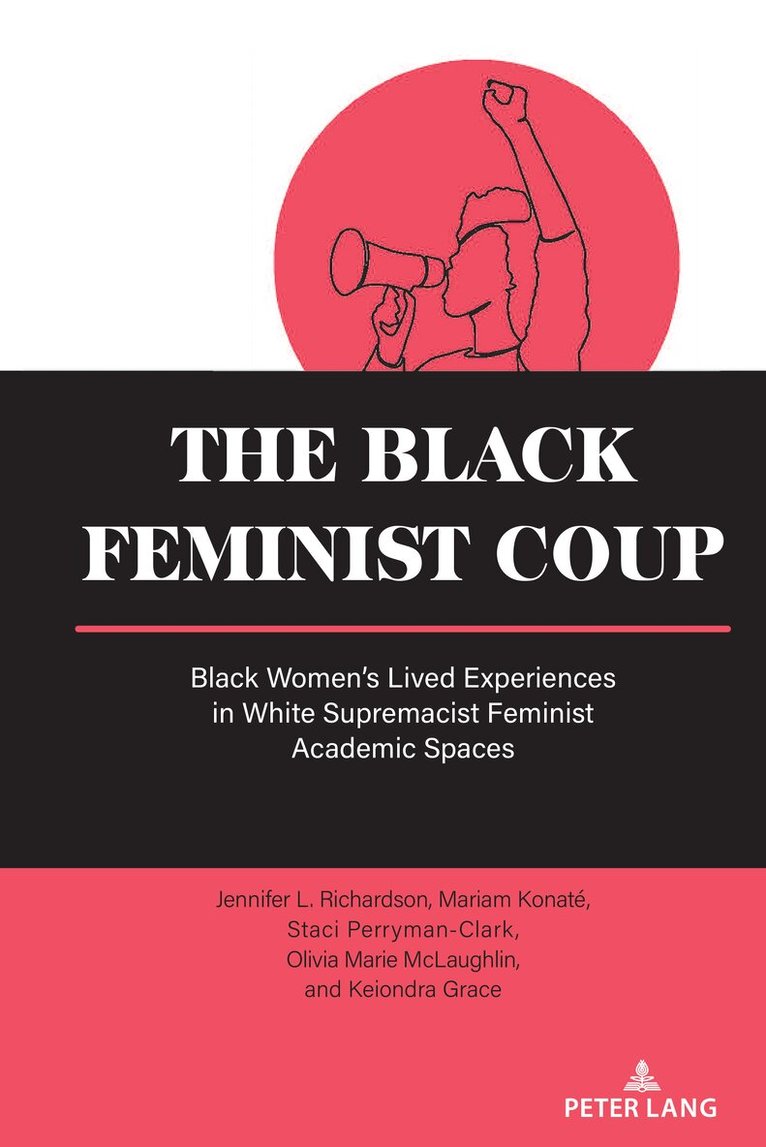
The Black Feminist Coup: Black Women’s Lived Experiences in White Supremacist Feminist Academic Spaces is a collective narrative of how three Black women faculty at a large Midwestern PWI, and two of their former students and allies build alliances to collaboratively disrupt white supremacist feminist spaces. Themes of what it means to be a fugitive, to be free, and to be a feminist inform how we envision the future of Black women’s labor in the academy. More specifically, this project explores intersecting narratives of how three Black women faculty fled a racist and microaggressive Gender and Women’s Studies (GWS) department, following the start of the COVID 19 pandemic and the 2020 summer of racial unrest, and moved to an institute that houses African American and African studies. Their stories of misogynoir reflect a brutal irony that GWS departments expect Black women to further all women’s interests while impeding Black women’s ability to thrive. This work demands that institutions bear responsibility in providing Black women with an environment to thrive, and dream of new possibilities and opportunities to develop curricula and initiatives that center Black lives with priority. Bridging at the intersections of feminism, Black Studies, and higher education, this project surveys concepts of survival, trauma, pain, and healing to offer future possibilities for dismantling and challenging systems of white supremacy in the academy.The Black Feminist Coup is a groundbreaking text. Through courageous counter-stories and brilliant theoretical engagements, the authors spotlight the various intellectual traditions, institutional arrangements, power dynamics, and sociocultural practices that have made academia a persistent site of oppression and violence for Black women. Although such an offering would be more than enough for a single text, the book also provides a clear and accessible pathway toward dismantling White supremacy, nurturing radical resistance, and building safe and productive intellectual spaces for Black women within academia.—Marc Lamont Hill, Presidential Professor of Urban Education andAnthropology at CUNY Graduate CenterTHE BLACK FEMINIST COUP is a compelling, courageous co-authored monograph that explores the lived experiences of a group of mostly Black women in white supremacist feminist spaces at one university. Grounded in Black feminist history and theory, this pioneering text makes visible – in moving and painful ways-- the impact of racism, sexism, and misogynoir on Black feminists in the academy during various junctures of their journeys, including, perhaps surprisingly, women’s and gender studies spaces. Especially instructive is the book’s exploration of what cross-racial solidarities might mean in feminist academic spaces and what white women in particular might learn from these analyses and blueprints for transformation.—Beverly Guy-Sheftall, The Anna Julia Cooper Professor of Comparative Women’s Studies atSpelman College and co-edited WORDS OF FIRE (New Press, 1995)
1 254 kr
Skickas inom 5-8 vardagar
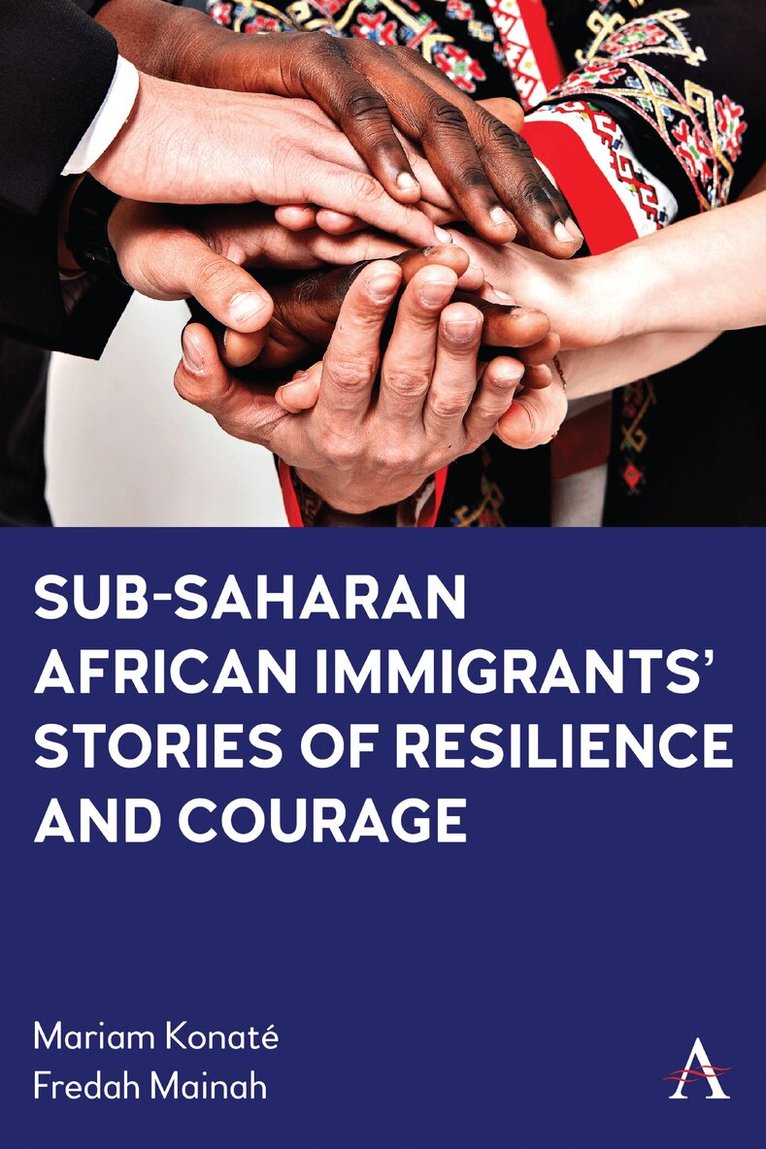
The purpose of this book to give a voice to nameless and countless stories that represent the personal lived experiences of Sub-Saharan African immigrants in the US. The authors believe that telling our own stories from our own perspectives is important and empowering because when others tell our stories there are omissions and misrepresentations and a lot of stereotyping. This book seeks to produce a more specific description of Sub-Saharan African immigration in the US by recording our reflections, experiences, and strategies of coping, as well as those of the participants. We hope that the insights gained from the research in this book will be used by immigrant communities, academic institutions, and governmental agencies in advocating for immigration policies that positively impact the lived experiences of Sub-Saharan African immigrants, and in planning support interventions.
459 kr
Tillfälligt slut
459 kr
Tillfälligt slut
567 kr
Skickas inom 3-6 vardagar
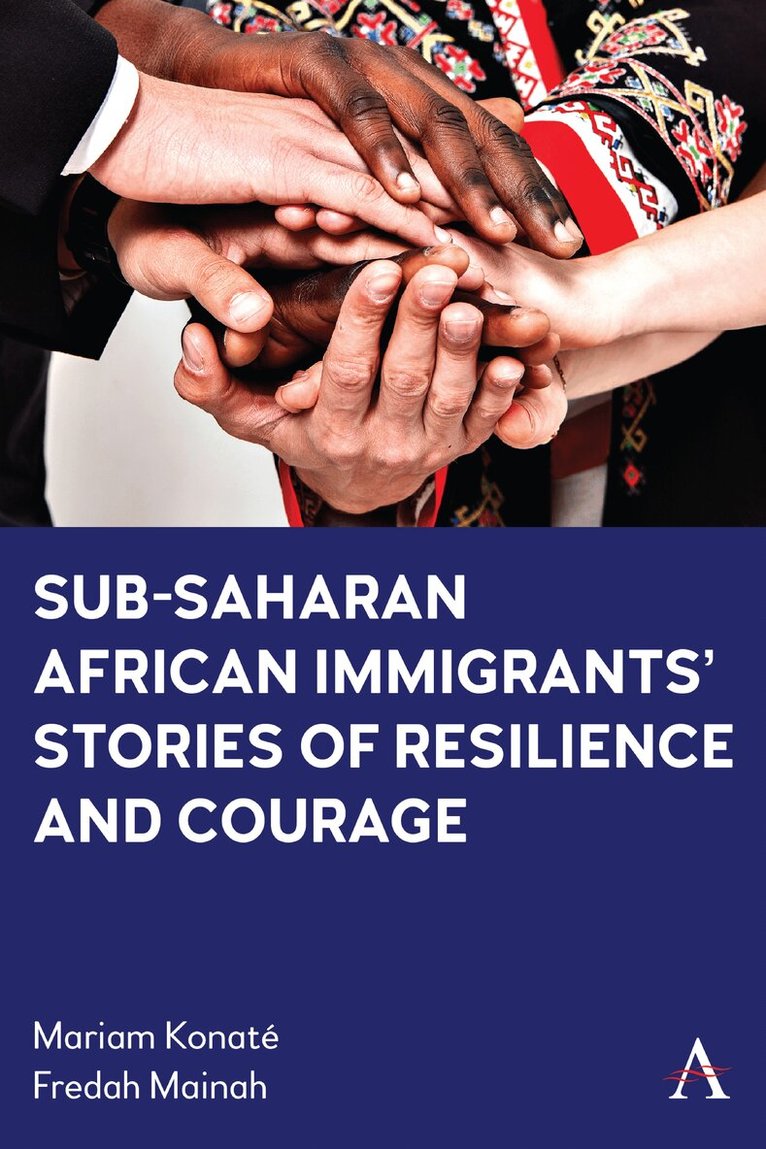
The purpose of this book to give a voice to nameless and countless stories that represent the personal lived experiences of Sub-Saharan African immigrants in the US. The authors believe that telling our own stories from our own perspectives is important and empowering because when others tell our stories there are omissions and misrepresentations and a lot of stereotyping. This book seeks to produce a more specific description of Sub-Saharan African immigration in the US by recording our reflections, experiences, and strategies of coping, as well as those of the participants. We hope that the insights gained from the research in this book will be used by immigrant communities, academic institutions, and governmental agencies in advocating for immigration policies that positively impact the lived experiences of Sub-Saharan African immigrants, and in planning support interventions.